Calculadora de costos de electricidad
Calcule el costo de la electricidad y los kWh diarios o mensuales a partir de la potencia, las horas de funcionamiento y una tarifa plana. Ajuste la cantidad y el factor de carga promedio de su equipo.
Compare los costos de electricidad bajo una tarifa plana.
Resultado
Estimated monthly cost
58.08USD / monthCálculo preliminarE = P × quantity × hours × load factor; Cost = E × tariffFlat energy charge only. Taxes, demand charges, time-of-use prices and fixed charges are excluded. Uses electrical input power.
¿Por qué este resultado?
Fórmula y método
Calcule el costo de la electricidad y los kWh diarios o mensuales a partir de la potencia, las horas de funcionamiento y una tarifa plana. Ajuste la cantidad y el factor de carga promedio de su equipo.
Cómo utilizar esta calculadora
- Enter electrical input power and number of units.
- Set daily runtime, monthly operating days and average load factor.
- Enter a flat electricity price in USD per kWh.
Limitaciones de cálculo
A simple flat-rate estimate. It does not model peak demand, tiered tariffs, standby loads or changing daily schedules.
How to calculate electricity cost from kWh
Power in kW describes the rate of electrical use; energy in kWh includes time. This calculator multiplies electrical input power by unit count, running hours, operating days and an average load factor, then applies one flat price per kWh.
Notas de entrada
| Entrada | Qué comprobar |
|---|---|
| Potencia por unidad | Use electrical input kW. A motor’s shaft-output kW must first be adjusted for efficiency if input power is not already known. |
| Runtime and load | Load factor is the average fraction of entered power during the entered runtime. Do not count the same off-time in both runtime and load factor. |
| Tariff | Enter USD per kWh, not cents per kWh. For example, 15 cents is 0.15 USD. The result uses USD; it does not convert currencies. |
Ejemplo práctico · valores iniciales de la forma
One 2.2 kW load, eight hours per working day
1 unit · 2.2 kW input · 8 h/day · 22 days/month · 100% load · 0.15 USD/kWh
Daily energy = 2.2 × 1 × 8 × 1.00 = 17.60 kWh
Monthly energy = 17.60 × 22 = 387.20 kWh
Monthly energy charge = 387.20 × 0.15 = 58.08 USD
58.08 USD / month
The estimate covers this load’s flat energy charge. It is not a prediction of the full electricity bill and excludes fixed, demand, tax and time-of-use charges.
Making the estimate closer to actual use
- Use measured average input power or metered kWh where available. Nameplate power can overstate consumption for a cycling or partially loaded appliance.
- Calculate separately for loads with different schedules. For time-of-use pricing, split energy into the applicable tariff periods and add the charges outside this flat-rate tool.
Preguntas frecuentes
Which electricity charges are included?
Only a flat price per kWh is applied. Demand charges, fixed fees, taxes, time-of-use changes and other tariff components are excluded.
What is the difference between kW and kWh?
kW measures power. kWh measures energy: a steady 1 kW load running for one hour uses 1 kWh.
Is the load factor the same as motor efficiency?
No. Here it scales average electrical input during runtime. Motor efficiency relates mechanical output to electrical input and must be accounted for separately when starting with shaft power.
Why does my electricity bill show a different amount?
The bill may include other loads, fixed fees, taxes, demand charges or several energy rates. Actual operating hours and power also differ from an entered estimate.
¿Necesita ayuda para elegir un producto CHAC?
Envíe el voltaje del sistema, la corriente de carga y las condiciones de instalación con su consulta.
Ejemplo de aplicación · Datos ilustrativos
Budgeting the monthly cost of four workshop loads
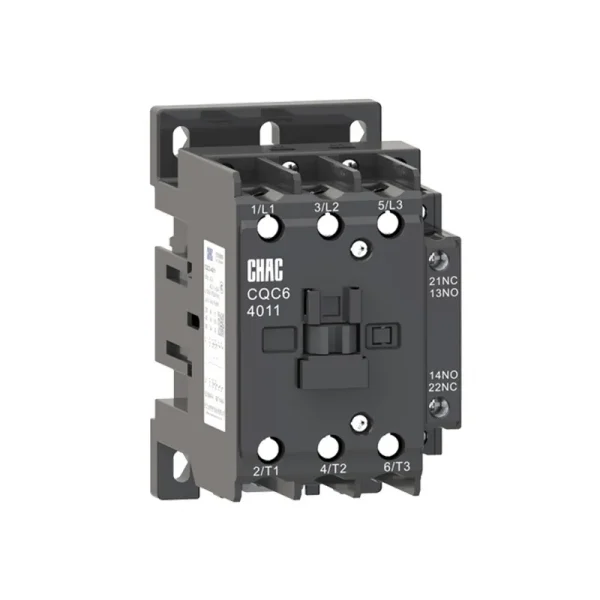
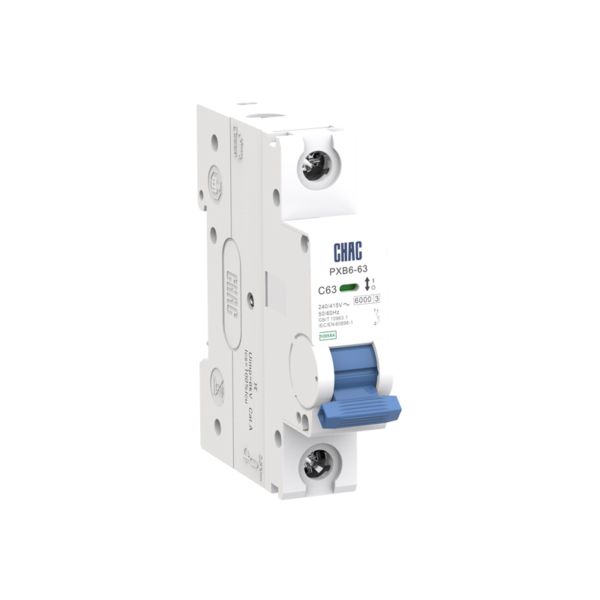
For a workshop budget, assume four loads with 2.2 kW electrical input each, running 10 hours a day for 26 days at an average 75% load factor. At an illustrative flat tariff of USD 0.12/kWh, the calculator returns 1,716 kWh and USD 205.92 per month. CHAC CQC6 contactors and PXB6-63 breakers concern switching and protection; their ampere ratings do not describe this energy consumption. Replace the assumed schedule and tariff with actual operating records for a project budget. The estimate excludes demand charges, taxes and fixed fees, and makes no product energy-saving claim.
Datos del producto: Fabricante de OEM de contactor de CA industrial serie CQC6 · Disyuntor miniatura PXB6-63
Productos relacionados de CHAC
Browse switching and protection equipment for the load. Product ampere ratings do not determine energy consumption.