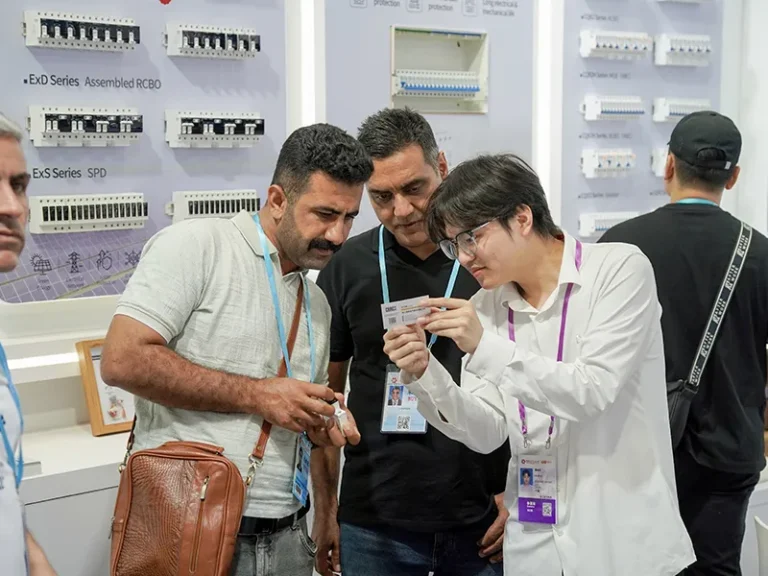
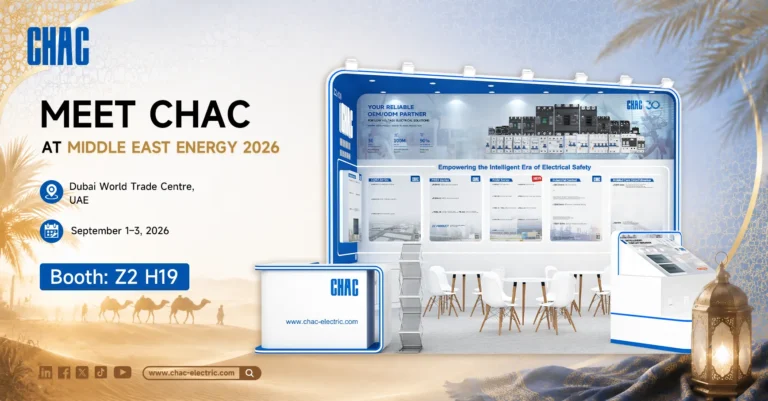
Tooling is one of the less visible parts of a low-voltage electrical product, but it has a direct effect on repeatability, change control and production planning. CHAC Electric’s factory content highlights in-house mold making and machining so buyers can understand how a component moves from a drawing to a controlled production process.
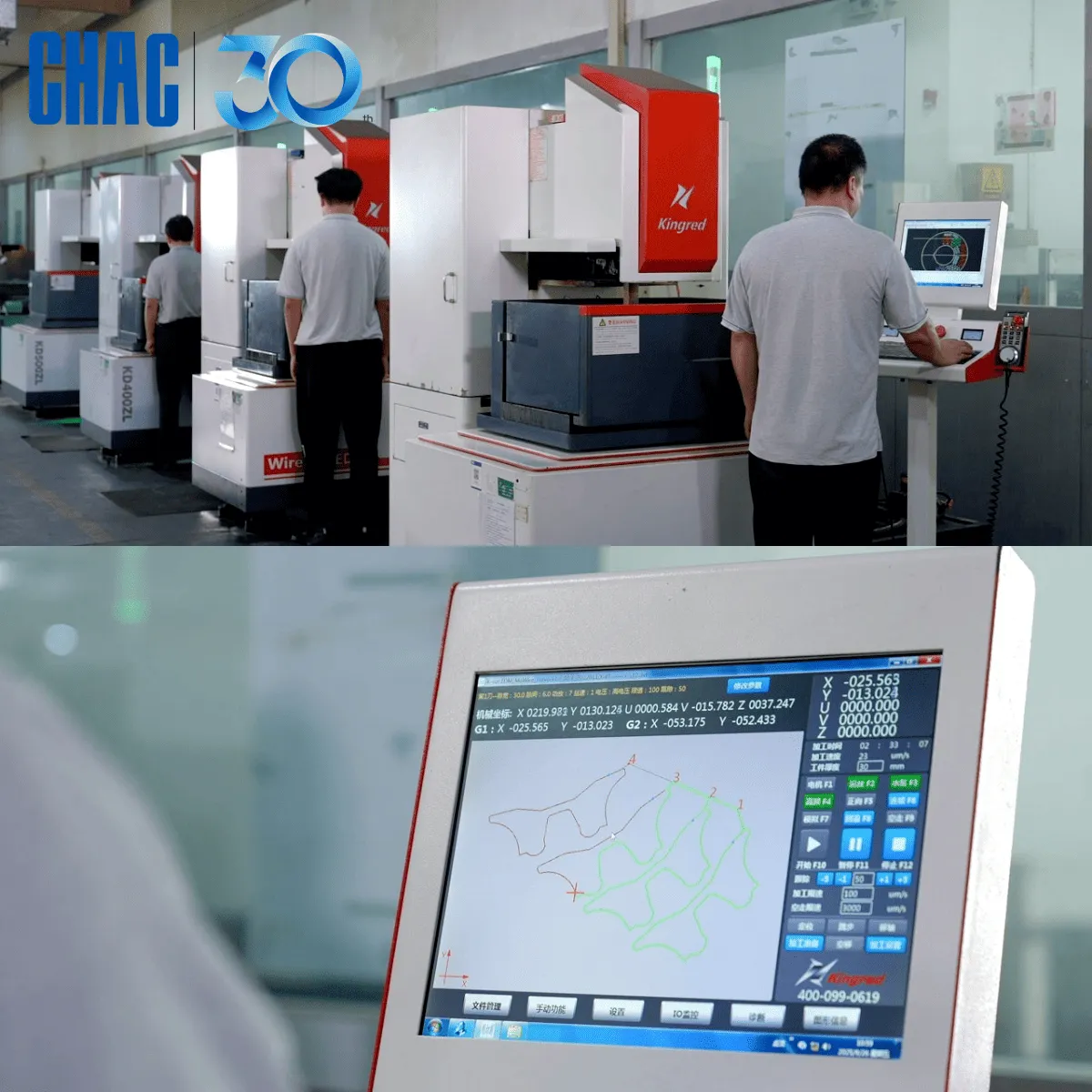
Why in-house tooling matters to a product program
When tooling decisions sit close to the product team, engineering can review fit, parting lines, inserts, maintenance and change requests with the manufacturing team. That does not remove every production risk, but it makes the design-to-tool feedback loop more direct and the revision history easier to manage.
CHAC’s in-house mold manufacturing capability supports the low-voltage components used across its product families. Buyers should still confirm the exact tooling scope, ownership, maintenance arrangement and change process for their own project.
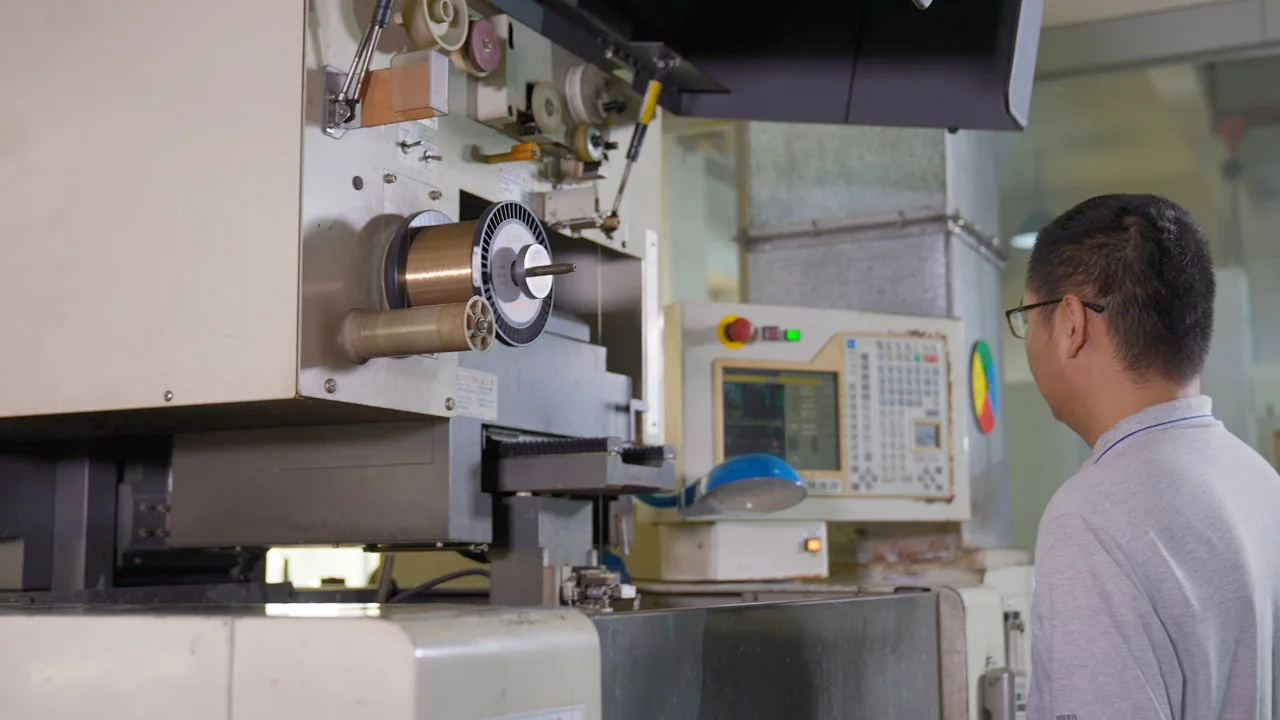
What a buyer should ask before approving a mold
A reviewable tooling brief identifies the product drawing, critical dimensions, material assumptions, expected volume, inspection points, spare or maintenance plan and the process for engineering changes. It should also state which features are cosmetic and which affect fit, insulation, terminals or assembly.
Wire EDM and CNC processes are production methods, not evidence by themselves of a particular tolerance or product performance. The buyer should request the drawing and inspection evidence that apply to the approved component.
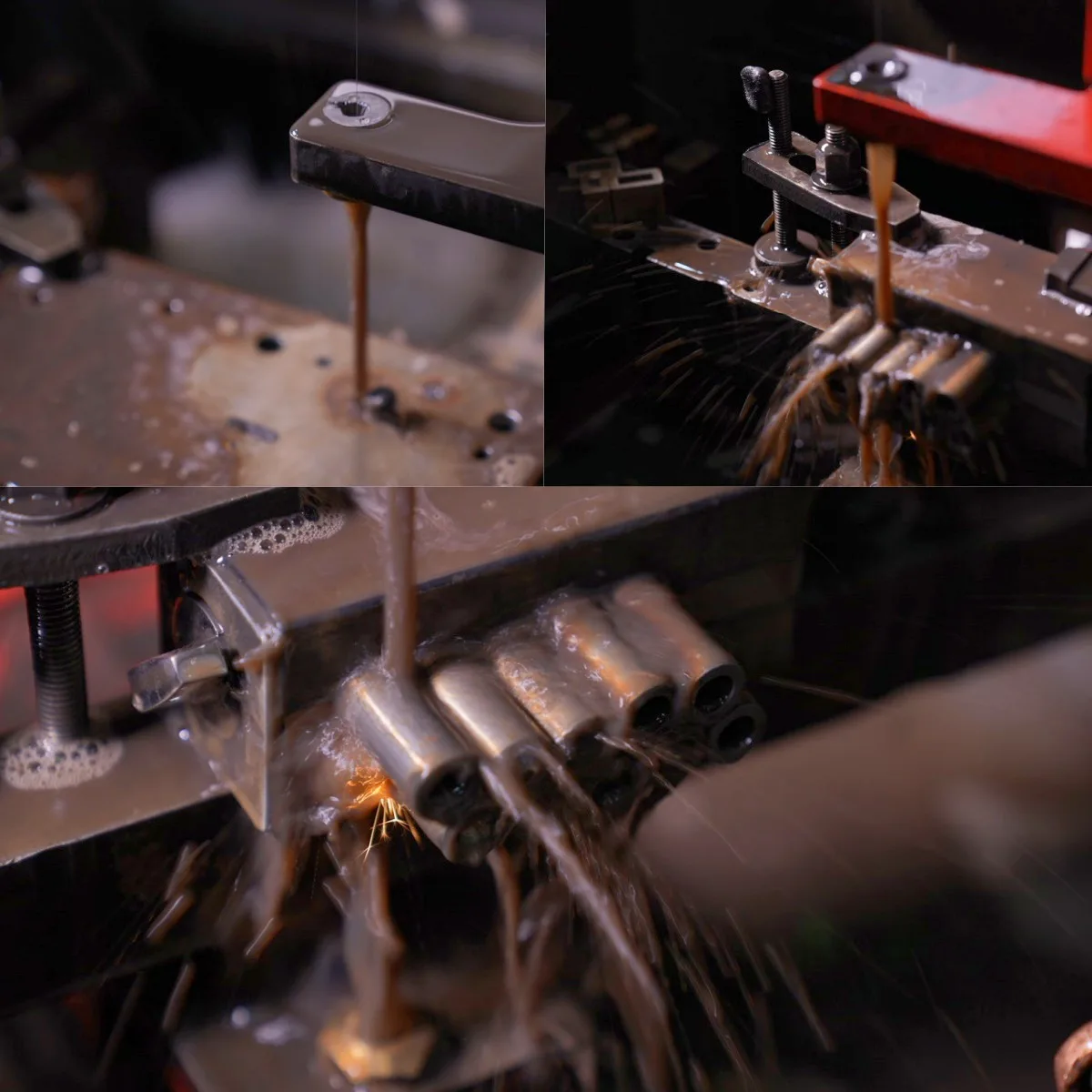
From machining control to stable production handover
After the tool is accepted, the manufacturing handover should connect the approved sample to the production instruction, inspection plan and revision record. This is especially important when a product is supplied under a customer’s brand or when the same platform is adapted for different markets.
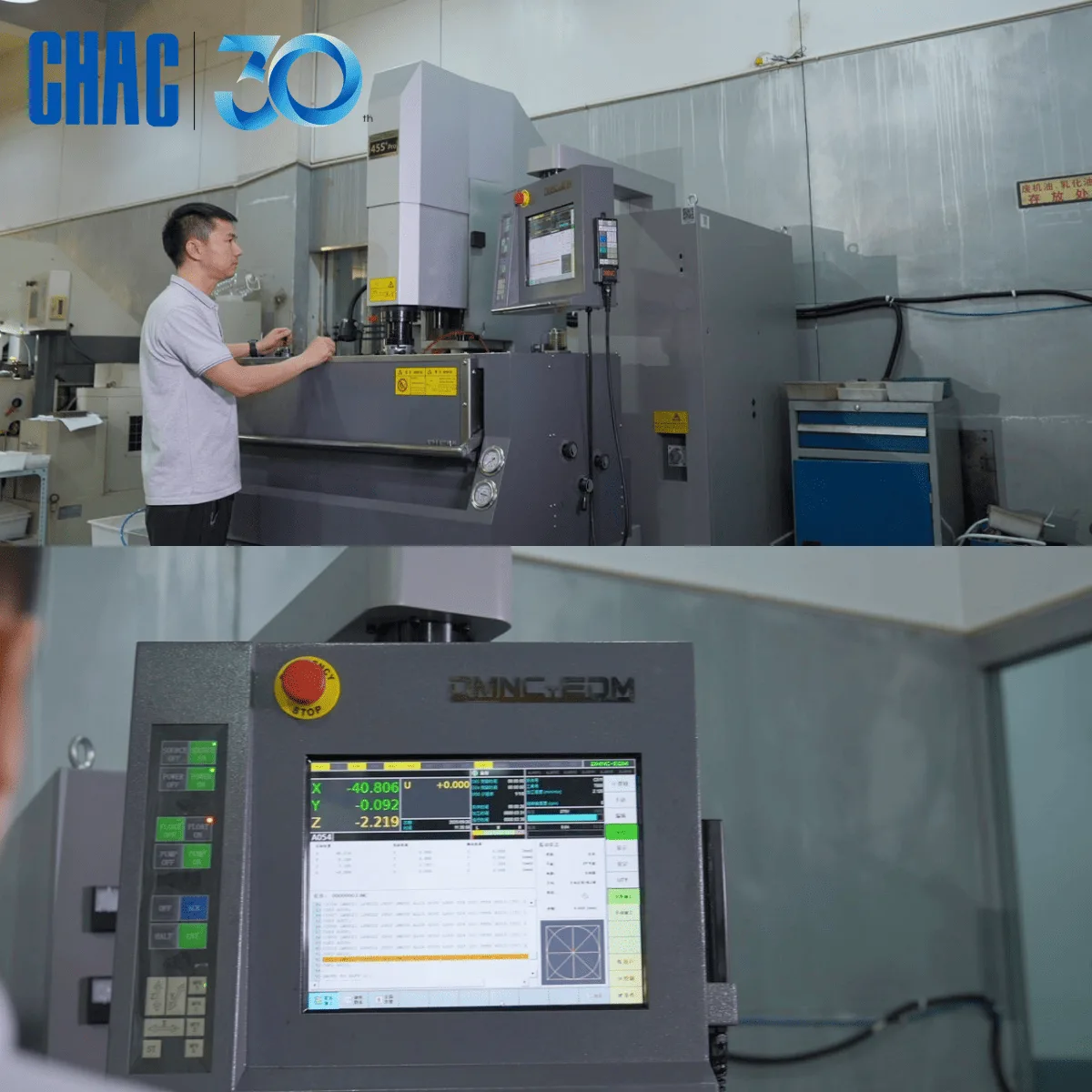
CHAC’s low-voltage component production discussions can cover the boundary between standard tooling, project-specific tooling and product customization. A clear brief lets procurement and engineering evaluate lead time and change risk on the same evidence.
For a technical review, the useful evidence is the approved drawing, the sample identity, the inspection method and the change record. Tooling photos explain the process, but they should not be read as proof of an unlisted tolerance, material grade or product performance. Those claims belong in the controlled technical file. A documented tooling change-control process keeps that boundary clear.
Further reading
CHAC customization services · IEC 60898-1 publication page · Contact CHAC Electric