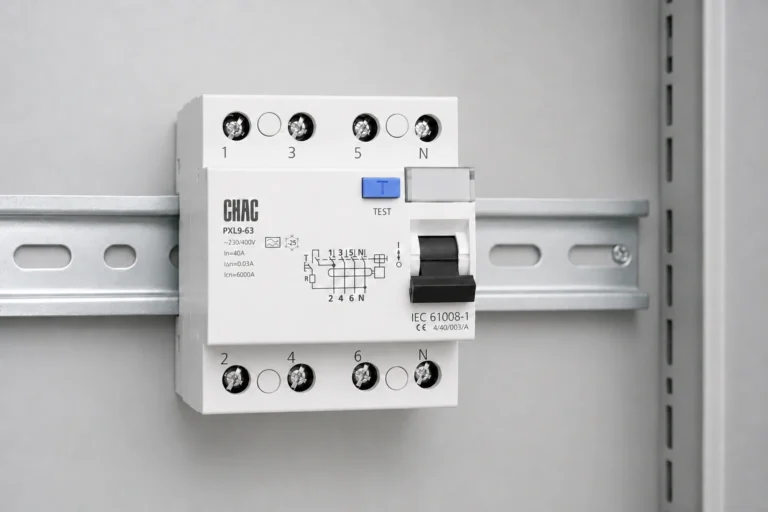
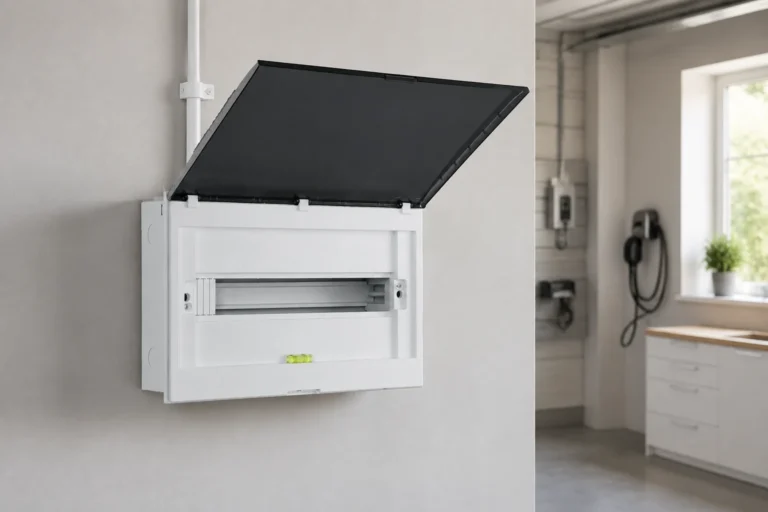
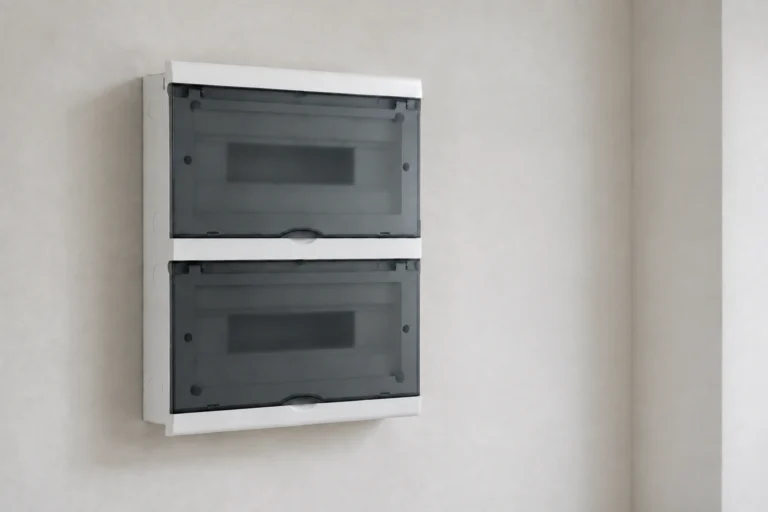
There is no universal answer to how long a circuit breaker lasts. A breaker can remain serviceable for many years in a clean, lightly loaded enclosure, while heat, moisture, contamination, repeated fault operations, loose terminations, or heavy switching duty can make an earlier inspection necessary. The defensible replacement decision is condition- and duty-based: verify the mechanism, connections, environment, operating history, and test evidence instead of replacing every device at an arbitrary age.
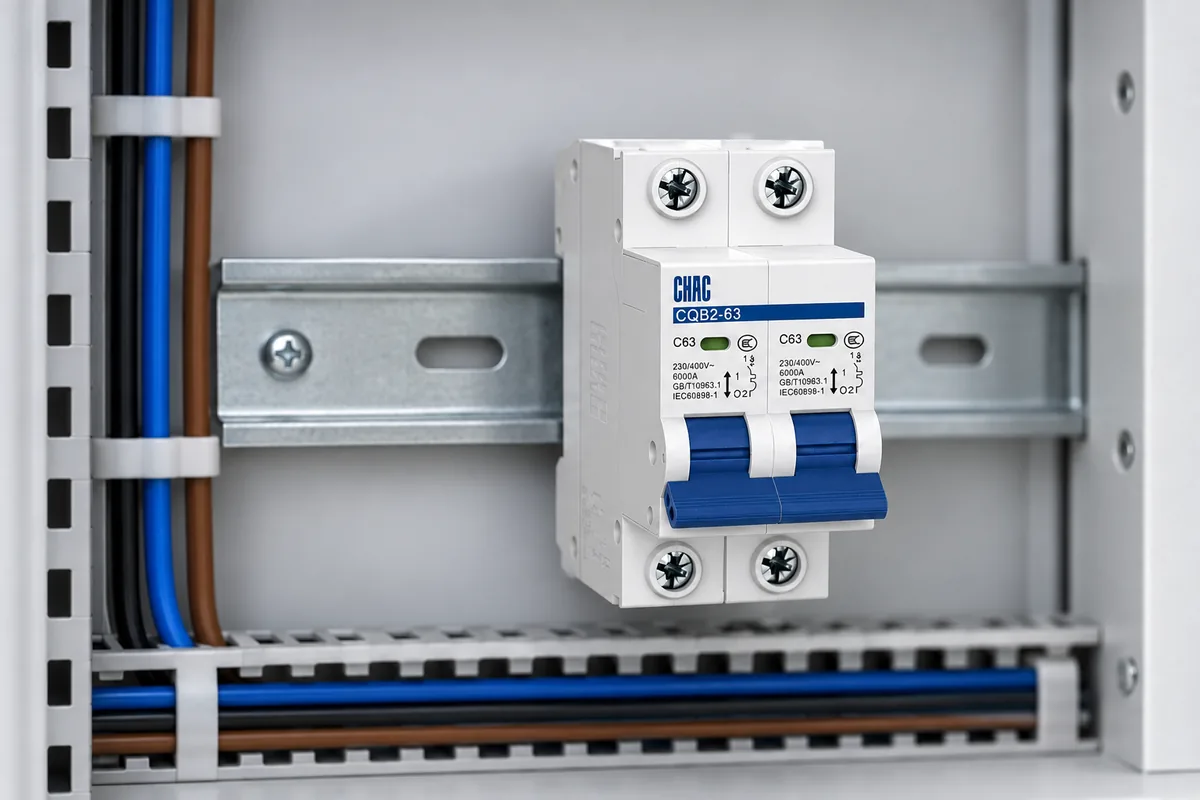
Is there a universal circuit-breaker service life?
No. Calendar age is only one screening detail. The manufacturer’s instructions, product duty, number and severity of interruptions, ambient conditions, maintenance history, and the consequences of failure all affect the decision. A device that has never interrupted a fault is not automatically equivalent to one that has operated repeatedly under high fault duty.
For a replacement project, identify the exact model and obtain its current maintenance or inspection instructions. CHAC’s MCB range dan MCCB range provide product-family context; the actual replacement must match the board, rating, accessories, and application.
What shortens a breaker’s service life?
| Condition | Possible effect | Useful evidence |
|---|---|---|
| Heat or continuous loading | Accelerated ageing, terminal loosening, or nuisance operation | Load trend, enclosure temperature, thermal inspection |
| Fault interruptions | Contact or mechanism wear and a changed maintenance risk | Trip history and fault record |
| Moisture, dust, or corrosion | Insulation, contact, and mechanical problems | Visual inspection and environment record |
| Frequent switching | Mechanical and contact wear beyond normal protective operation | Operating-cycle or control-system history |
| Loose or overheated terminations | Local heating and unreliable connection | Torque record and thermal image |
These are inspection prompts, not a prediction formula. A qualified maintenance team should interpret the evidence against the product instructions and the risk of the circuit.
What should be inspected before replacement?
- Confirm the breaker identity, pole configuration, ratings, accessories, and panel compatibility.
- Review nuisance trips, fault interruptions, overheating, and any changes to the connected load.
- Inspect the enclosure, terminals, labels, barriers, and signs of contamination or corrosion.
- Check the mechanism and controls according to the manufacturer’s maintenance instructions.
- Use the required electrical or functional tests and record the method, instrument, date, and result.
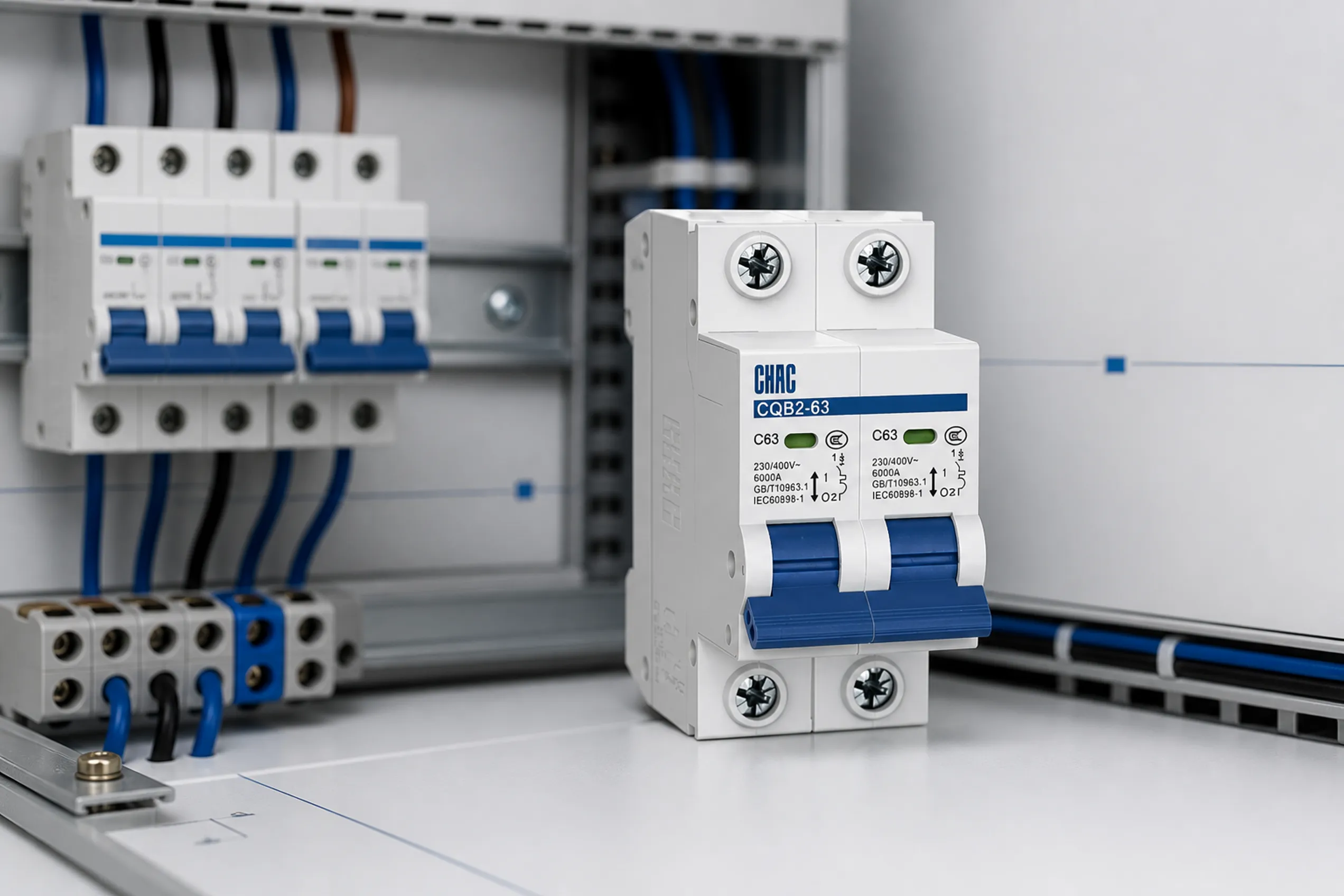
When should a breaker be replaced?
Replacement is justified when the manufacturer or inspection program identifies unacceptable wear, the device has experienced damage or a severe fault, the mechanism fails a required test, the enclosure or terminals are compromised, or the existing model no longer meets the documented system duty. It may also be prudent when the failure consequence is high and the available evidence cannot demonstrate a safe condition.
Do not replace a breaker solely to stop a trip. First determine whether the cause is overload, short circuit, leakage, loose connection, environmental stress, or a misapplied device. If the root cause remains, a new breaker may repeat the same failure.
What should a maintenance record contain?
A useful circuit breaker maintenance record identifies the asset, installation location, model, operating duty, inspection date, observed condition, tests performed, readings or pass/fail criteria, corrective action, and next review. Add the responsible person and the document revision. A trend across planned outages is more informative than an isolated “looks good” note.
For critical distribution equipment, keep the record with the single-line diagram, panel schedule, product documents, and outage plan. This makes future replacement decisions traceable and helps a reviewer distinguish a routine inspection from evidence that the breaker was actually tested.
Pertanyaan yang sering diajukan
How long does a circuit breaker last?
There is no universal number of years. Service life depends on duty, fault operations, heat, contamination, mechanical condition, and maintenance evidence.
How can you tell if a breaker is worn out?
Look for failed functional tests, damaged or overheated terminals, corrosion, abnormal operation, repeated nuisance trips, or documented fault duty. Use the manufacturer’s inspection criteria rather than appearance alone.
How often should a circuit breaker be inspected?
Use the manufacturer’s instructions, the site risk assessment, local code, and the circuit’s duty to set the interval. High-consequence or harsh environments generally need more structured evidence.
Do breakers go bad after 10 years?
Age alone does not prove failure. A ten-year-old device may need inspection, but the decision should use condition, duty, and test results.
Can heat and corrosion shorten breaker lifespan?
Yes, they can affect terminals, insulation, contacts, and the operating mechanism. Record the environment and correct the underlying cause before deciding on replacement.
Sumber untuk standar dan verifikasi lebih lanjut
- UL Solutions standards and certification guidance
- International Electrotechnical Commission standards portal
- NFPA 70, National Electrical Code information
Decision principle: the answer to how long do circuit breakers last is a documented condition decision, not a calendar promise. When replacement is required, CHAC Electric can help compare the existing model and application through its technical contact channel.