
An EV charger, heat pump or battery can change a home’s electrical plan without necessarily requiring the largest available service. The project may be constrained by calculated demand, physical breaker spaces, equipment condition or how sources interact, and each constraint has a different remedy. For a 2026 upgrade, the useful question is what the proposed equipment and locally adopted rules require now, and what should be reserved for later. This guide compares panel replacement, managed loading and service expansion without assuming that every home needs the same solution.
The short answer is: A useful residential electrical panel upgrade priority for 2026 is documented load planning rather than automatic upsizing. A 48 A EV charger is normally treated as a continuous load, so its branch circuit is generally sized at 125% of that load, commonly producing a 60 A circuit; that fact alone does not prove that a home needs a 200 A service. Contractors should calculate demand under the locally adopted code, verify panel and service capacity, compare approved load-management options, and plan monitoring, surge protection, and spare ways as one system.
What is changing in residential panel upgrades in 2026?
Electrification is changing the questions asked before a panel is replaced. EV charging, heat pumps, electric water heating, induction cooking, solar, and storage can arrive in different phases, so the design must distinguish connected load from expected demand and from physical space. The National Electrical Code (NEC) remains the starting point where it is adopted, but the locally adopted edition, amendments, utility rules, and equipment instructions control the final design.
A complete upgrade scope considers service conductors, meter equipment, grounding and bonding, circuit directories, disconnects, surge protection, controls, and commissioning are considered alongside the enclosure. The equipment allowance may be only one part of installed work; this guide to electrical panel replacement cost helps buyers ask what is included without relying on an unsupported price estimate.
| 2026 planning driver | Question to answer | Evidence-led response |
|---|---|---|
| EV charging | What current and charging window are actually required? | Compare the charger setting, duty cycle, schedule, and service demand. |
| Heat pump or electric water heating | What are the nameplate loads and auxiliary elements? | Use equipment data, removed fuel loads, and the adopted calculation method. |
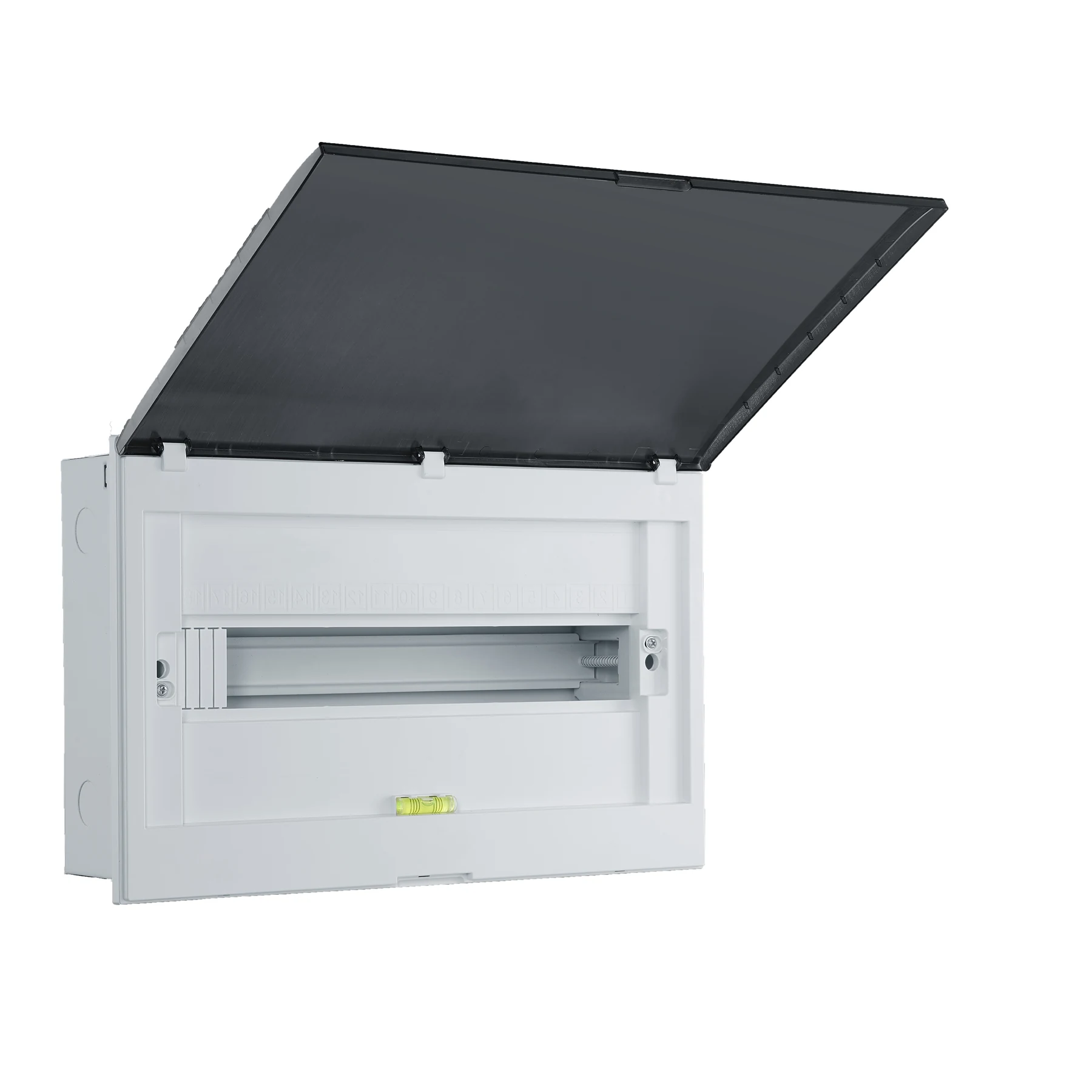
| Limited panel spaces | Can the proposed breakers, metering, and SPD fit the listed equipment? | Check the panel label and manufacturer instructions; capacity is not the same as space. |
| Solar, storage, or backup | How will sources, disconnects, and operating modes interact? | Coordinate the one-line, utility requirements, labels, and interconnection scope early. |
| Sensitive electronics | Where should surge protection be installed? | Coordinate service or distribution protection with point-of-use devices. |
How should new electric loads be included in the service calculation?
A 48 A Level 2 charger is a continuous load under NEC concepts, so a branch circuit is generally sized at 125%, commonly resulting in a 60 A circuit. Heat-pump nameplates, auxiliary heat, electric resistance backup, cooking equipment, and loads being removed from the home also affect the calculation. The honest answer is therefore project-specific: connected equipment lists are not a substitute for a demand calculation.
NEC Article 220, permitted existing-demand methods, the utility service manual, and local amendments establish the boundary. One 100 A home may need service work; another may support charging at a lower setpoint or on a schedule. A 200 A service can be appropriate, but “every electrified home needs 200 A” is not a defensible procurement specification.
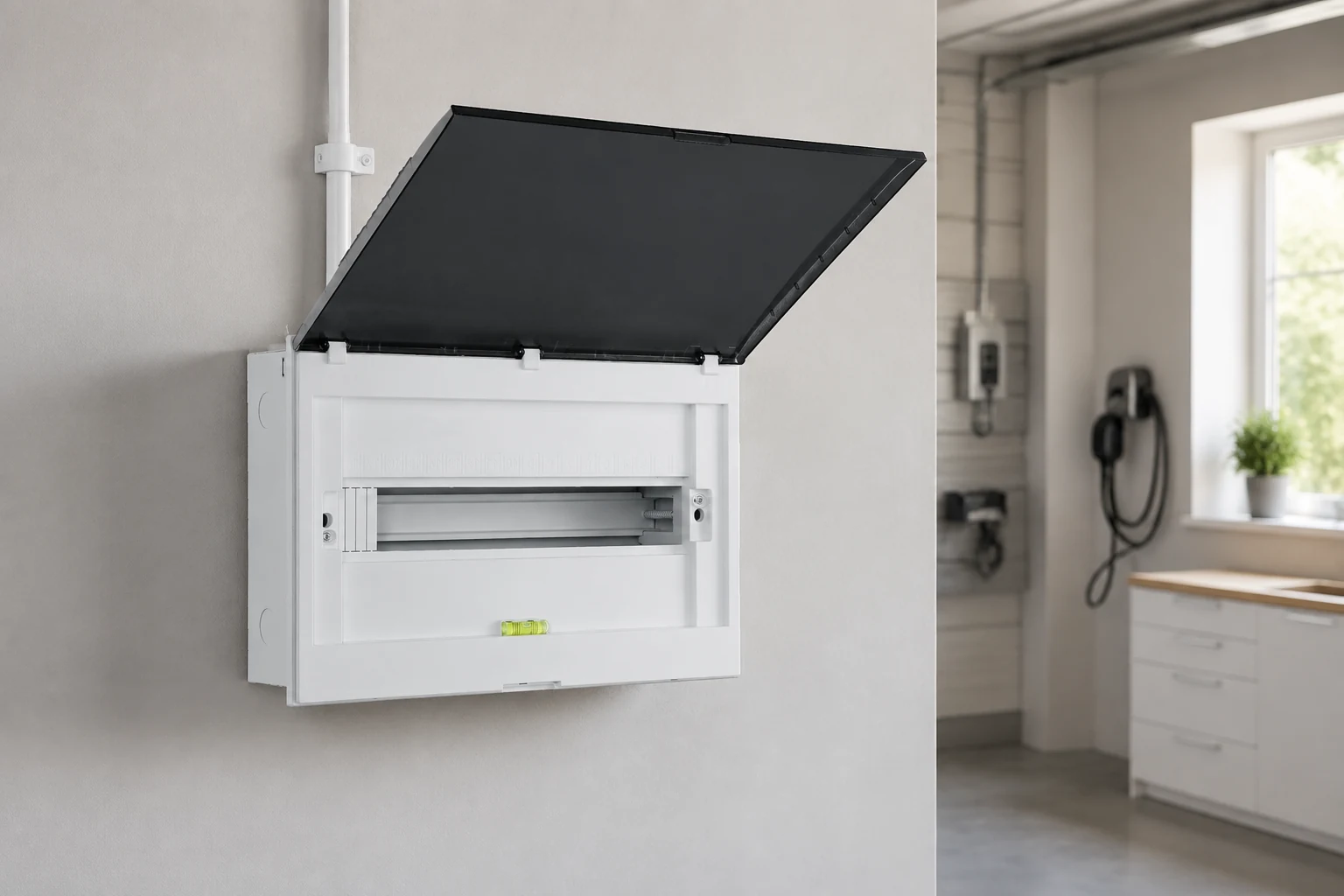
Physical space is a separate constraint. A calculation can pass while the existing enclosure lacks room for two-pole circuits, a meter, a surge protective device, or a clear directory. A tandem breaker is not a universal remedy; the panel label and manufacturer instructions govern whether a listed device is permitted in a particular position.
When can EV load management defer a service upgrade?
EV load management monitors total demand and reduces, pauses, or schedules a controllable load before the service limit is exceeded. NEC 625.42 recognizes energy-management approaches for EV charging, subject to the equipment, installation, and adopted edition. The control does not increase a conductor, breaker, or service rating; it is a design option that must be specified, installed, commissioned, and accepted locally.
Compare three scopes before selecting hardware: a panel replacement at the existing service rating, managed-load electrification, and a full service upgrade. The comparison should include charging expectations, control behavior during communications or equipment faults, utility lead time, permits, labor, restoration, and future additions. A control that is poorly documented or inconvenient for the homeowner can create service calls even when it reduces initial construction.
Monitoring helps validate assumptions after commissioning. Whole-home data can show service demand, while branch data can separate EV, heat-pump, water-heating, and cooking patterns. Measurement supports a decision; it does not replace overcurrent protection, required calculations, or a listed control architecture.
How should space and surge protection be reserved for later additions?
Many homes electrify in stages. A useful plan records the service rating, main device, conductors, panel condition, circuit directory, spare ways, routes, and proposed equipment nameplates. It also states which future circuits are only reserved and which are included in the present work. This turns future electrical capacity into a documented design decision rather than an unverified promise.
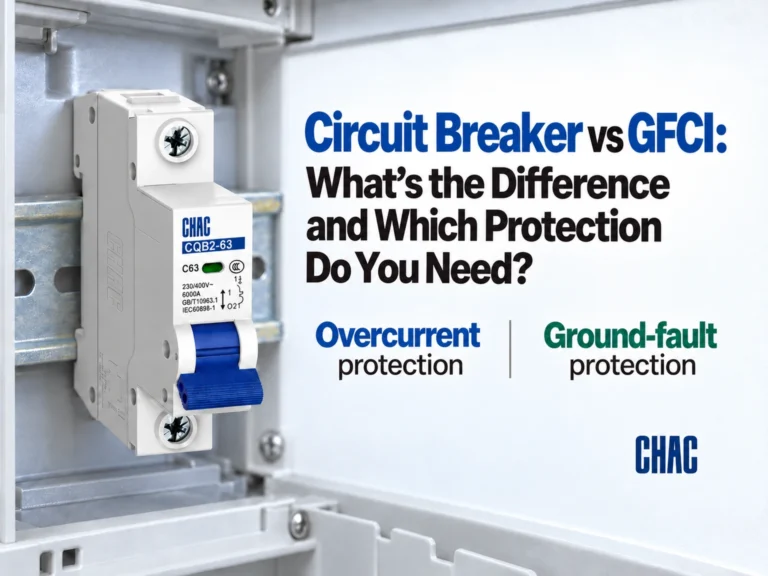
For a new low-voltage assembly, breaker poles, current, trip characteristics, interrupting capacity, terminals, enclosure approval, and destination-market requirements must match the actual circuit. A catalog family is not proof of compatibility with an existing third-party residential panel. CHAC’s CQB2-63 cầu dao tự động thu nhỏ page can be used as a product reference, but the designer and authority having jurisdiction must confirm the complete assembly and application.
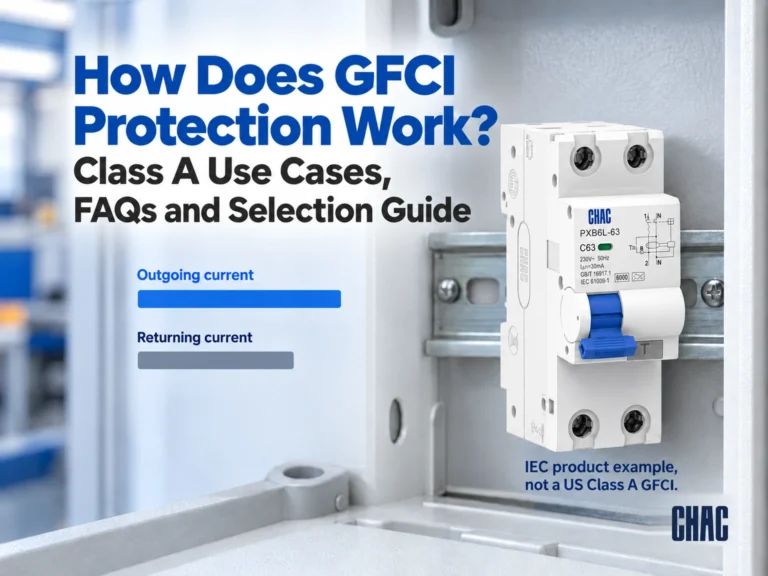
Surge protection belongs in the same architecture. NEC 230.67 addresses surge-protective devices for dwelling-unit services where that provision is adopted. A coordinated plan may combine a Type 1 or Type 2 device at service or distribution equipment with point-of-use protection. Specify device type, connection, conductor routing, status indication, and replacement access; do not imply that an SPD prevents every transient or substitutes for grounding and bonding.
| Existing condition | Likely planning path | Evidence required before selection |
|---|---|---|
| Sound service, obsolete panel | Replace the panel if the calculated capacity permits | Condition, load basis, fault rating, device schedule, and utility rules |
| EV charger is the main new load | Compare managed charging with service expansion | Charger rating, demand, controller behavior, permit acceptance, and user schedule |
| Appliances will be added in phases | Create a staged circuit, space, and metering plan | Nameplates, sequence, spare ways, routes, and a future one-line |
| Solar, battery, or backup is expected | Coordinate interconnection and disconnects early | Utility rules, operating modes, transfer arrangement, and labels |
| No whole-home surge protection | Coordinate panel and point-of-use protection | Adopted code, SPD details, routing, status indication, and maintenance plan |
What should an upgrade quotation and handover include?
- Document the starting point. Record the service rating, main device, conductors, panel label, spaces, condition, circuit directory, and utility constraints. Photograph labels where permitted and retain the schedule with the quotation.
- Build the load basis. Add nameplate data for proposed equipment, identify removed loads, and perform the required calculation under the adopted code. State assumptions for EV current, charging window, auxiliary heat, and staged additions.
- Separate capacity from space. Check that the listed enclosure accepts the proposed breakers, SPD, metering, conductors, and labeling. A larger service does not by itself solve an incompatible or crowded enclosure.
- Compare operating options. Set out the service-upgrade, managed-load, and phased-installation alternatives with their permit, utility, commissioning, maintenance, and homeowner-use implications.
- Specify the handover. Require a final directory, one-line or schedule, control settings, surge-protection details, commissioning record, and a list of reserved versus installed future circuits.
CHAC Electric can support documentation for new low-voltage distribution projects, but product selection should follow the verified load basis, destination-market requirements, and local approval rather than a generic trend label.
Which standards and local approvals govern the upgrade?
NFPA 70 governs installation rules where the NEC is adopted; the local edition and amendments control. UL 67 covers panelboards, while UL 489 covers molded-case circuit breakers, molded-case switches, and circuit-breaker enclosures within its scope. These are product standards, not substitutes for a load calculation, utility approval, or inspection. Conversely, an NEC calculation is not a product certification.
Procurement documents should identify the destination market, voltage, service rating, available fault current, environment, protective functions, and required evidence. Unsupported compatibility or certification claims can cause failed inspections and rework. Physical fit does not establish acceptance, and a device listing does not automatically approve an entire assembly or installation.
What happens if load-management controls lose communication?
The answer must come from the approved control architecture, not an assumption that any connected breaker manages demand. Ask what the system does when a sensor, gateway, network or controller fails, which settings can be changed and how unauthorized changes are prevented. Record those responses in the commissioning plan. A timer can shift charging hours, but a schedule alone is not evidence that a capacity-limiting control will maintain the permitted demand.
For solar or storage, keep load management separate from source interconnection. UL’s Panelboard Application Guide describes markings for panels with parallel power sources and power-control-system conditions. These are configuration-specific requirements; fitting a monitor or smart switch does not give an ordinary panel the same evaluated capabilities.
At handover, distinguish installed capacity from reserved space. List the current equipment, accepted load calculation, control settings, source disconnects and the conditions that would trigger a new review. If a future appliance needs more current than the reserved design assumed, revisit the calculation before connecting it. The priorities discussed here are technical planning topics observed in current searches, not evidence of a measured 2026 adoption rate or a nationwide upgrade mandate.
Residential electrical panel upgrade questions
Are most residential panel upgrades becoming 200 A jobs in 2026?
No universal service size applies. A 200 A service may suit some combinations of EV charging and electric appliances, but the decision follows the adopted calculation, service condition, utility rules, and planned operation. Ask the contractor to show the load basis and assumptions.
Does every EV charger require a panel replacement?
No. Some homes have adequate capacity; others can use a lower charging current, a schedule, or an approved energy-management system. Verify the branch circuit, service load, equipment instructions, panel space, and local approval.
Can EV load management replace a service upgrade?
It can avoid or defer an upgrade when an approved system keeps loads within installation limits and matches the owner’s charging expectations. Suitability depends on ratings, commissioning, failure behavior, communications, code, and local acceptance.
Why include both whole-home and point-of-use surge protection?
They address different locations in the electrical system. A service or panel SPD addresses incoming transients, while point-of-use devices add protection near sensitive equipment. Follow device instructions and coordinate installation, grounding, conductor routing, status indication, and maintenance.
When is modular metering worth adding?
It is useful when large loads arrive in phases or measured demand will guide schedules and troubleshooting. Define the decisions the data should support, then choose whole-home or branch metering without confusing measurement with protective function.
What should buyers compare in panel-upgrade quotations?
Compare the load basis, utility scope, equipment compatibility, surge protection, controls, commissioning, permits, labeling, spare capacity, and exclusions. A low equipment allowance can omit the site, utility, and documentation work that determines inspection success and final cost.
Is a smart breaker automatically an approved load-management system?
No. Monitoring or remote switching does not establish an approved capacity-limiting function. Verify the complete control system, failure behavior, installation instructions, commissioning and local acceptance.
Does a reserved breaker space mean capacity is available for a future appliance?
No. Physical space and electrical capacity are separate. The future load must fit the service, conductors, panel ratings and accepted calculation before it is connected.
Official references
- UL Solutions: Panelboard Application Guide; panel markings, parallel sources and power-control-system conditions.
- NFPA: NFPA 70 National Electrical Code; confirm the locally adopted edition and amendments, not the calendar year alone.
- OSHA 29 CFR 1910.333: Electrical work practices; covered US workplace scope, not a homeowner licensing rule.
The durable upgrade is not the panel with the largest number on its label; it is the system whose measured loads, protective devices, controls, records, and expansion path remain coherent through the next phase of electrification.
For a new low-voltage distribution project, review the distribution box against the circuit schedule, service study, surge-protection plan, and destination-market requirements, then contact CHAC Electric for model-specific documentation.