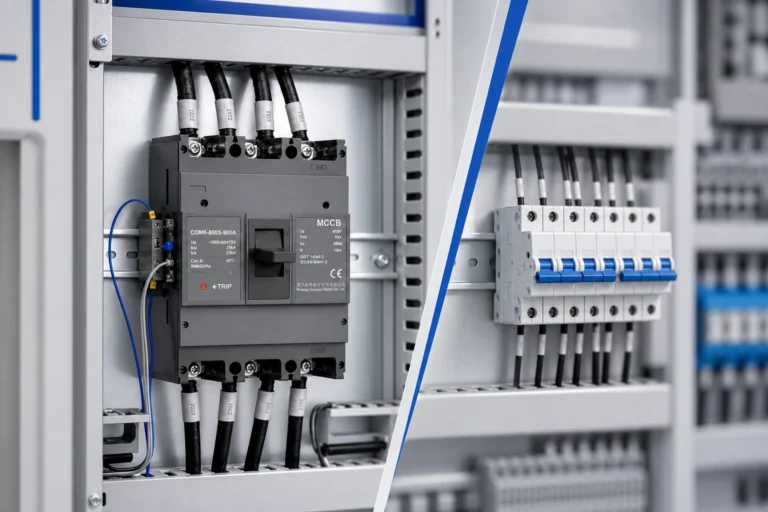
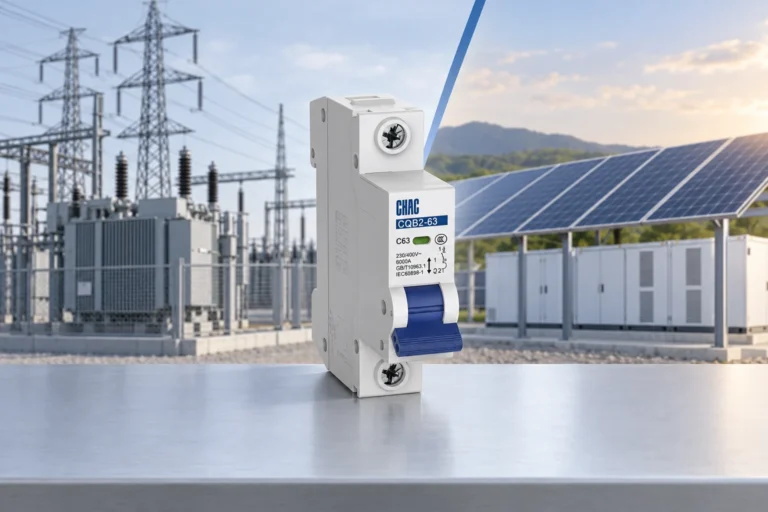
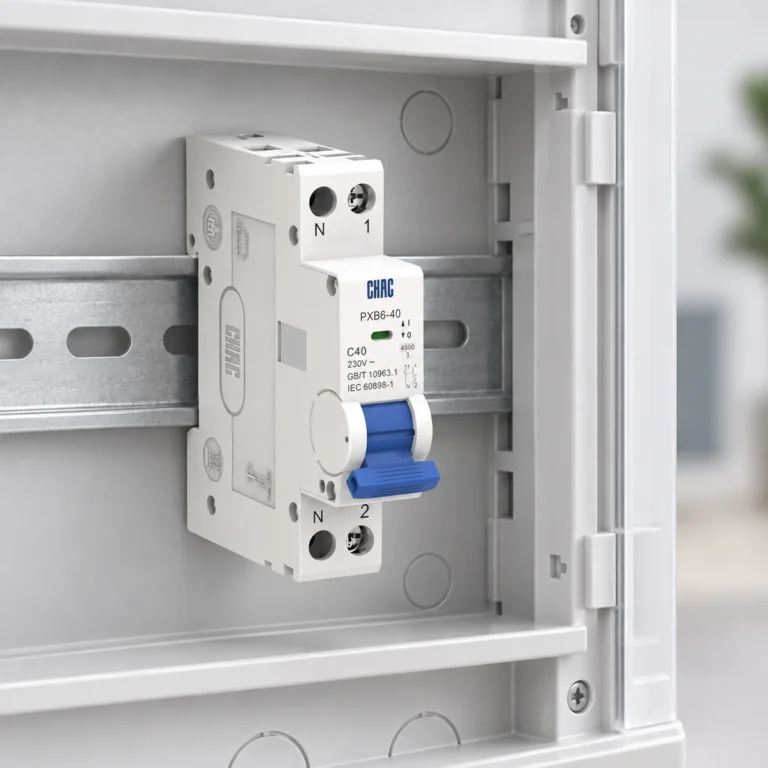
Din rail modular socket work starts with the circuit role, the project requirement, and selected-model documentation. DIN-Rail Modular Socket RFQ Checks for Panel Builders helps panel builders organize those checks before a device is specified or an RFQ is issued. Socket selection stays bound to the panel schedule: mounting format, voltage interface, and service access must be written before a catalogue family is shortlisted.

محتويات
Part 1. What role does a DIN-rail modular socket play in a panel?
A modular socket provides a documented outlet interface inside or on the assembly when the design calls for service power, programming access, or a defined convenience point. The selection question is which mounting, voltage, and documentation the panel needs, not whether a socket can replace protection devices.
Part 2. Which mounting and space inputs come first?
Confirm rail type, available modular width, enclosure depth, door or cover clearance, and cable entry path. These inputs keep the RFQ aligned with the assembly drawing instead of a catalogue photo.
Part 3. How should voltage and circuit role be stated?
Name the circuit that feeds the socket, the expected voltage interface, and whether the outlet is for tools, instruments, or another defined duty. Do not assume every modular socket is suitable for every load shown in a marketing image.
مهم: A modular socket is a convenience outlet interface, not a substitute for branch protection, isolation, or lockout planning defined elsewhere on the drawing. (المصدر — IEC low-voltage installation accessory standards discovery)
Part 4. Where do accessories and shutters matter?
If the project requires shutters, specific plug standards, or accessory modules, list them as explicit RFQ fields and verify them in the selected-model instructions. Accessory assumptions are a common source of mismatched quotations.
Part 5. What belongs in a modular-socket RFQ?
Include quantity, mounting format, voltage interface, required accessories, environmental context, drawings, documentation pack, and branding needs. Ask suppliers to return exact model evidence rather than a generic socket description.
تسهل قائمة إدخال طلب عرض الأسعار (RFQ) المدمجة مقارنة ردود الموردين:
| يجب على المشتري توفير | لماذا هذا مهم | خطأ شایع |
|---|---|---|
| مجموعة الرسومات الحالية | يحدد حدود الدائرة الكهربائية | إرسال اسم منتج بدون رسم توضيحي |
| الوظائف المطلوبة | تجعل الطلب قابلاً للمراجعة | التعامل مع الخيارات غير المؤكدة كمعايير قياسية |
| سياق التثبيت | يحدد شروط المشروع للتأكيد | باستراض أن نسخ الفئة يمثل موافقة على المشروع |
| طلب توثيق | يربط طلب عرض الأسعار بالدليل الدقيق | قبول المطالبات العامة بدلاً من بيانات النموذج |
| إرسال مع اقتباس | يجعل مقارنة الموردين قابلة للمراجعة | الاقتباس بدون حزمة الأدلة المطلوبة |
للحصول على سياق أوسع، راجع din rail modular socket product family والمتعلقة صفحة خط الإنتاج.
Part 6. Which CHAC product route starts the discussion?
Use the published CQP20 modular socket product route after the schedule inputs are listed, with the terminal-electrical category for family context. The product route is a sourcing aid, not proof that one outlet format fits every enclosure.
توصية بالمنتج
CQP20 Series Home Installation Modular Sockets | CHAC Electric

استخدم المنشور صفحة منتج CHAC ذات الصلة as a documented product route starting point for a product discussion only after the RFQ inputs are complete. Private-label socket packaging can be discussed on the صفحة تخصيص التوصيلات الكهربائية. Matching faceplate style across brands does not prove voltage rating, terminal arrangement, or modular width for the enclosure layout.
Part 7. Where does modular-socket RFQ planning stop?
This article supports early panel specification for modular outlets. It is not an installation method on energized equipment or a claim that a listed CHAC socket matches every regional plug rule without model evidence. Require a drawing review of rail space, cable exits, and outlet purpose before freezing the modular socket bill of materials.
قراءة ذات صلة: مقالٌ أضيق نطاقاً نُشِرَ مسبقاً في مجلة شاك تم ربطه للسياق، وليس كبديل لنطاق قرار هذه المقالة.
Share the socket schedule and enclosure constraints with اتصل بـ CHAC Electric for a modular-socket product-route review.
Fit Boundary: modular-socket guidance covers early panel RFQs only; it is not a wiring method for live work or a branch-protection design.
الأسئلة المتكررة
Is a DIN-rail socket a protective device?
No. It is an outlet interface unless the project design documents a different verified function.
Can mounting be inferred from a product photo?
No. Confirm modular width, rail type, and enclosure clearance from the assembly drawing.
What voltage information belongs in the RFQ?
State the feeding circuit voltage and any interface constraints required by the selected socket documentation.
Why list accessories separately?
Shutters, adapters, and companion modules are model-specific and should not be assumed from a category page.
What should the supplier return?
Proposed model identification and the documents requested for terminals, mounting, and ratings evidence.
When should the socket schedule be frozen?
Freeze it after rail space and circuit role are approved, before the panel bill of materials is released.