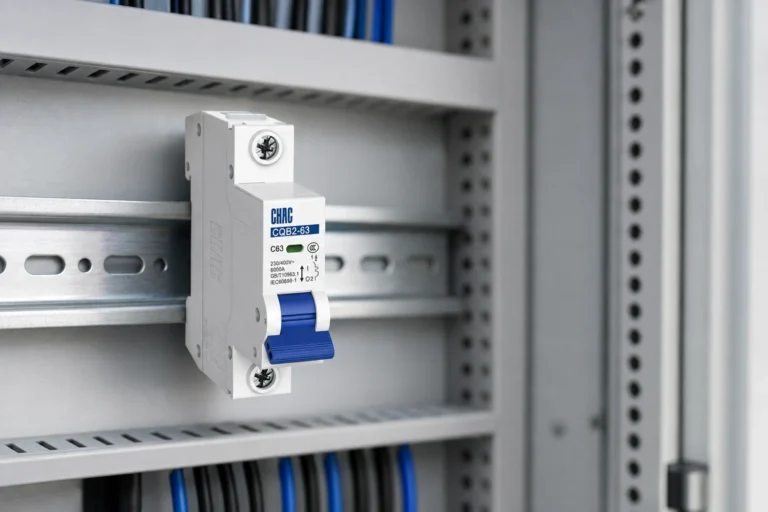
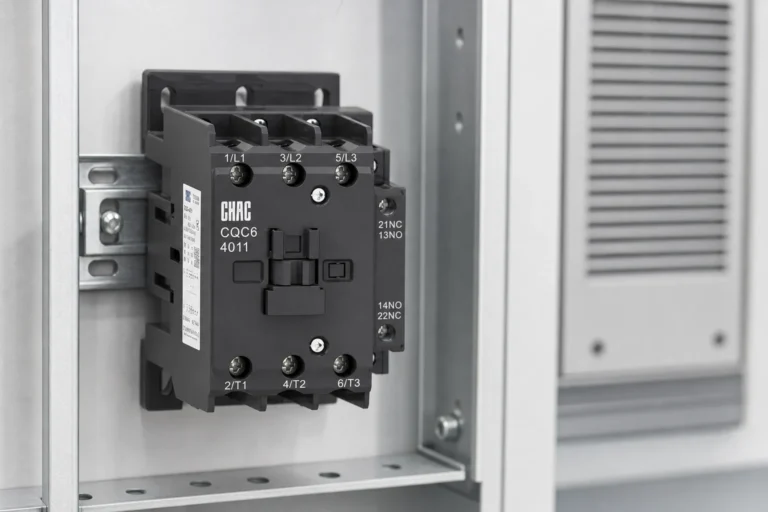
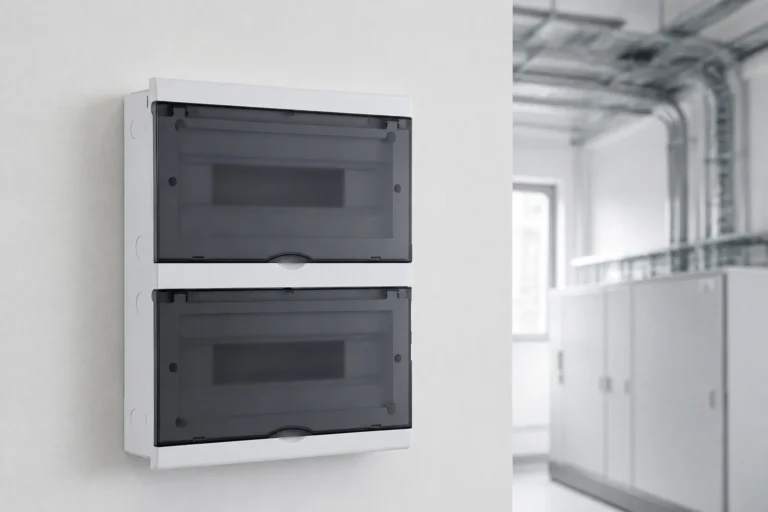
When Marcus, a maintenance supervisor in Manchester, traced an unexpected outage to a tenant fit-out panel, he replaced the operated fuse and restored the lights. They failed again as the rooftop HVAC and pantry loads started together. A load review and thermal inspection reversed his first diagnosis: the fuse was responding to a system whose connections, circuit plan, and spare capacity no longer matched its duty, rather than simply being a defective product.
ملخص: A fuse box and a circuit breaker box can both provide effective overcurrent protection, but a fuse operates once and must be replaced, while a breaker can normally be reset after the fault is found and corrected. UL 248 covers low-voltage fuse families, whereas UL 489 covers molded-case circuit breakers and related enclosures. Retain a sound, correctly rated fuse box only after verifying connections, available capacity, fault rating, and parts control; plan a panel upgrade when condition, expansion needs, or maintainability make continued service impractical.
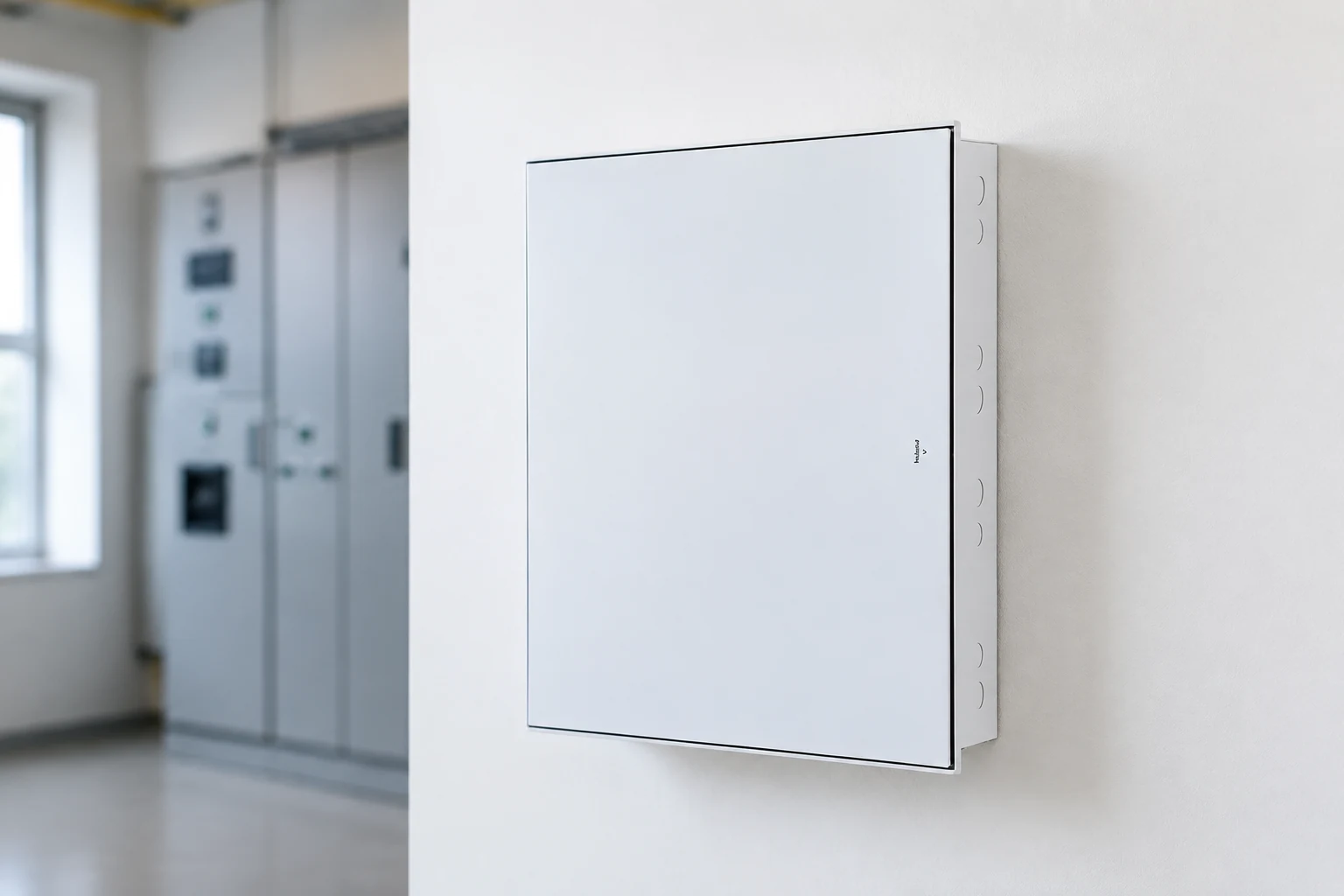
The useful comparison is operational, not simply “old versus new.” Maintenance time, correct parts, circuit identification, future loads, and local approval can matter more than one device’s price. A planned circuit breaker box can provide a clearer modernization path, but a new enclosure alone cannot correct an undersized service.
How each box responds during normal operation and faults
A fuse interrupts current by melting a calibrated element. Restoration requires the correct fuse class and ampere rating after the cause is investigated. A breaker trips open and can normally be reset after correction and a condition check. Neither action permits re-energizing a damaged circuit.
Product category and market determine the standard. UL 248 addresses low-voltage fuses, while UL 489 addresses molded-case circuit breakers and related enclosures. IEC 60898-1 covers breakers for household and similar installations; IEC 60947-2 addresses industrial circuit breakers. Their scopes and tests differ, so a familiar shape or marking does not establish interchangeability.
After an overload, a fuse box needs the correct controlled spare so a larger or wrong-class fuse is not substituted. A breaker box removes that inventory task but still needs an approved breaker family. Physical fit does not prove compatibility.
| Dimension | Fuse box | Circuit breaker box |
|---|---|---|
| After operation | Replace the fuse only after diagnosing the cause | Reset only after diagnosis, correction, and condition checks |
| Parts control | Requires the correct fuse class, rating, and available spare | Requires the approved breaker family and installation details |
| Interruption time | Can increase when the correct spare is unavailable | Can be shorter when a reset is appropriate |
| Expansion | Often constrained in legacy assemblies | Can offer more options for new circuits and accessories |
| Documentation | Depends on current labels and disciplined spare records | Can support clearer schedules and standardized maintenance |
| Ownership cost | May be economical where condition and parts support remain sound | May reduce repeated service effort and simplify planned additions |
Why service capacity and equipment condition drive the decision
A panel’s service rating is not confirmed spare capacity. A qualified person should calculate existing and proposed loads under the adopted code, check conductors and service equipment, and use measured demand only where permitted. Heat pumps and EV charging can change both peak demand and required branch count.
Condition can decide the case even when load fits. Heat discoloration, melted insulation, brittle holders, corrosion, damaged bus surfaces, or loose terminations require qualified examination. Infrared scanning can reveal temperature differences under load, but it does not replace de-energized inspection or manufacturer-specified connection practices. NFPA 70B provides a maintenance framework, not certification of an installed panel.
A tandem breaker discussion should start with panel labeling and compatibility, not an assumption that two circuits can share one position. If the box lacks room for circuits, surge protection, metering, or required protective functions, a larger assembly may be easier to maintain.
Load growth does not always require full replacement. Compatible dynamic load management can limit an EV charger when site demand reaches a set threshold. If the calculation method, controls, fail-safe behavior, equipment, and local approval support it, this may avoid a larger service. It cannot correct heat damage, inadequate fault ratings, or a deteriorated box.
How to compare retaining the fuse box with a panel upgrade
Begin with four records: circuit schedule, condition report, service and load calculation, and planned-load list. Document available fault current and confirm suitable interrupting or short-circuit ratings. The result is a traceable decision rather than a preference.
In multi-tenant properties, modular metering can clarify circuit or occupancy consumption. Accuracy, communications, installation category, and local billing rules must fit its intended use. EV and heat-pump readiness also requires branch capacity, conductor routes, control space, demand assumptions, and expansion positions.
Plan surge protection with the assembly. Code, exposure, building systems, and destination market determine requirements. The device needs suitable ratings, connections, any specified overcurrent arrangement, and a replacement path; reserving a module alone provides no protection.
Where a breaker design is justified, documented miniature circuit breakers may support branch protection in a suitable approved assembly. Selection depends on voltage, poles, current, trip characteristics, interrupting capacity, conductors, ambient conditions, and destination-market standards.
| Observed condition | لماذا هذا مهم | Typical decision path |
|---|---|---|
| One isolated fuse operation with a sound enclosure and controlled spares | May be a correctable circuit event rather than an upgrade trigger | Correct the cause, replace like for like, and record the work |
| Repeated overloads or material planned load growth | Suggests the circuit plan or available capacity no longer fits the duty | Calculate loads and compare redistribution, managed loading, or replacement |
| Heat damage, degraded holders, or suspect connections | Indicates an equipment-condition problem beyond the operated device | De-energize as appropriate and obtain a qualified replacement assessment |
| No room for surge protection, metering, or needed circuits | Limits future functions and maintainability | Plan an assembly with documented expansion space |
| Sound panel but one large controllable future load | Peak coincidence may be the constraint rather than total equipment condition | Evaluate approved dynamic load management before increasing service size |
| Unclear fault rating or unavailable compliant parts | Creates safety, inspection, and procurement uncertainty | Require engineering and authority review before alteration |
Local compliance and commercial constraints still apply
Installation rules depend on jurisdiction. In the United States, the adopted NFPA 70 edition, local amendments, listing, clearances, grounding, and part compatibility can affect the project. IEC-based markets may differ. A component standard does not approve an improvised panel combination or certify the installed system.
Permits and inspections also vary by location and scope, so confirm requirements with the authority having jurisdiction. Insurance is equally conditional: a carrier may ask about age, condition, loss history, inspections, or alterations, but no universal rule makes every fuse box uninsurable or every breaker conversion coverage-changing. Seek project-specific guidance.
Fuse box vs circuit breaker box questions
Is a fuse box less safe than a circuit breaker box?
Not automatically. A correctly selected and maintained fuse system can protect circuits, but age, wrong replacements, weak labels, or deteriorated connections may add risk. Judge the complete installed condition and ratings.
Why do many panel upgrades use breaker boxes?
Breaker boxes are generally easier to restore after a corrected fault, document, expand, and coordinate with accessories. Still require a load calculation, condition assessment, fault-rating review, and approved assembly.
Can a blown fuse simply be replaced with a larger one?
No. Match the documented circuit design, holder, and approved fuse type. A larger fuse can leave conductors or equipment inadequately protected; diagnose the overload or fault instead.
When should a business replace the whole box instead of repairing it?
Replacement becomes more likely with heat damage, degraded connections, uncertain ratings, unavailable parts, repeated overloads, or insufficient room. A sound box constrained by one controllable load may instead warrant dynamic load management, subject to code and local approval.
Do breaker boxes remove the need for professional testing?
No. A breaker box still needs load and fault review, compatibility checks, installation control, identification, and verification under applicable rules. Resettable hardware is not a substitute for diagnosis.
Official references
- NFPA, NFPA 70, National Electrical Code, as adopted and amended by the relevant jurisdiction.
- UL Standards, UL 489, Molded-Case Circuit Breakers, Molded-Case Switches, and Circuit-Breaker Enclosures.
- UL Standards, UL 248, Low-Voltage Fuses, including the applicable part for the fuse family used.
- OSHA, 29 CFR 1910.333, selection and use of work practices around exposed electrical hazards.
The practical rule is simple: choose the box that clears faults safely, fits the verified load plan, and can still be maintained correctly five years from now.
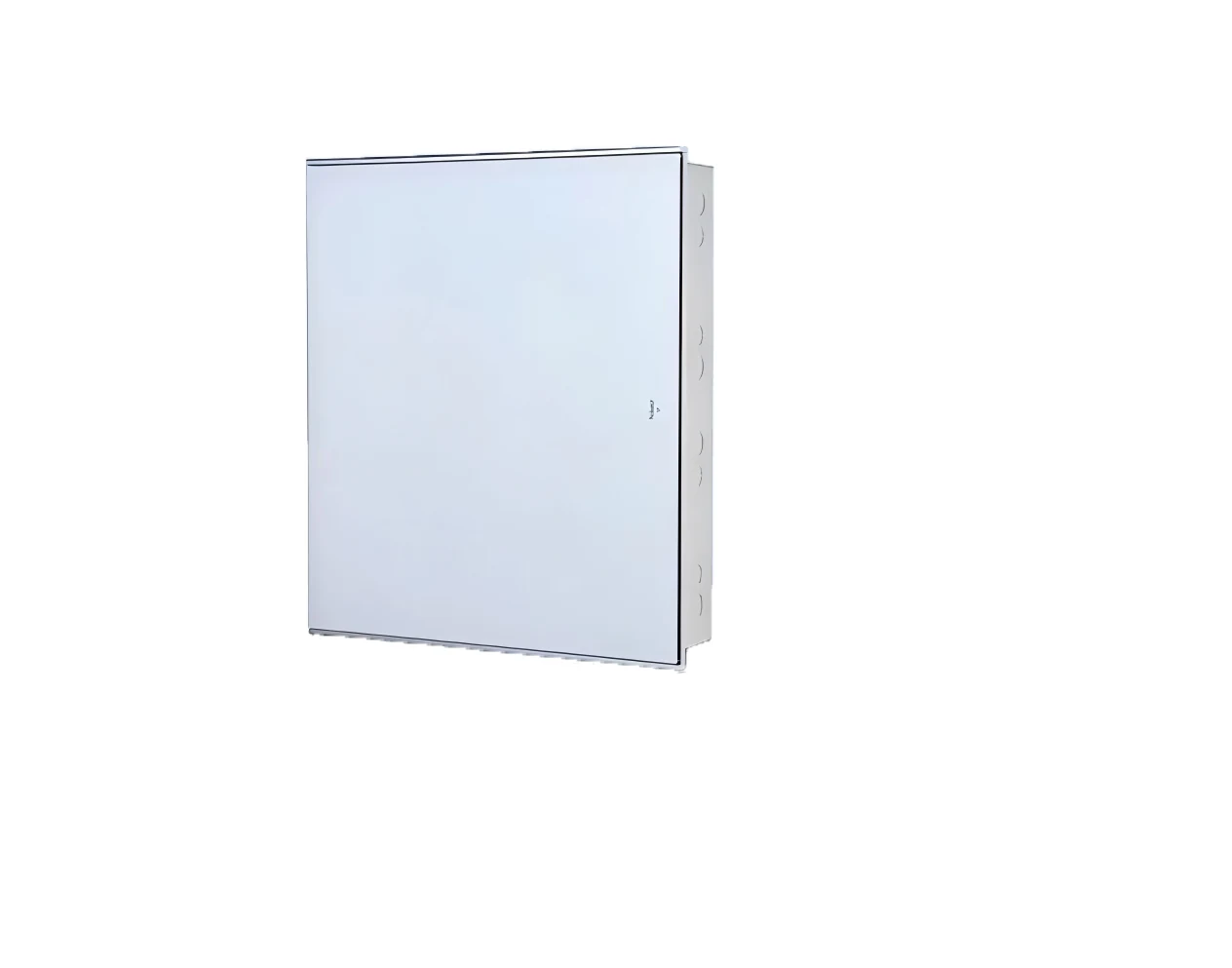
If you are comparing a legacy fuse box with a modern replacement path, review the CQMG20C distribution box and contact CHAC Electric with your circuit schedule, load-growth assumptions, destination market, and documentation needs. Product suitability should be confirmed for the specific application and approved assembly configuration.