
When a branch-circuit breaker keeps tripping during a tenant fit-out, replacing the device may seem like the fastest answer. If it trips again as soon as normal load returns, the useful next step is diagnosis: circuit loading, breaker selection, and termination condition must be checked before another replacement can be justified.
The short answer is: The cost to replace a circuit breaker is driven by diagnosis, device type, access, local labor conditions, and panel condition—not by the breaker alone. A standard single-pole device, a two-pole breaker, and an AFCI or GFCI breaker need different checks. NEC Article 110 requires listed or labeled equipment to be installed and used according to its instructions. Request a scope covering fault finding, an approved match, manufacturer-specified terminal torque, functional testing, and any permit or inspection required by the local authority having jurisdiction.
The contractor should identify why the breaker opened, confirm that the replacement is allowed for the exact panel, inspect the conductors and bus connection, and test the restored circuit. This guide on how to tell if a circuit breaker is bad can help a buyer collect symptoms, but diagnosis belongs to a qualified person.
What should a circuit-breaker replacement estimate include?
A breaker that will not reset is not automatically defective. A short circuit, ground fault, overload, loose termination, shared-neutral error, or moisture path can produce the same symptom. Review trip history and connected loads, then use appropriate methods such as isolated-circuit continuity testing, insulation-resistance testing where connected equipment permits it, clamp-meter measurement, and manufacturer-prescribed tests.
Thermography can identify an abnormal temperature pattern under load, but it does not prove correct breaker selection. An AFCI or GFCI test-button check confirms only the instructed function; it does not rule out every wiring fault. OSHA rules and NFPA 70E principles also affect energized testing and its controls.
Separate diagnosis from installation in the budget. Require the quote to state what evidence will close the diagnostic step, what is included if the fault remains, and what return-to-service result will be documented. This prevents a low installation line from concealing a second visit or an unplanned shutdown.
Which factors actually drive circuit-breaker replacement cost?
These are breaker replacement cost drivers, not universal price bands. Regional labor rates, travel, emergency dispatch, minimum service charges, access restrictions, and permit practice vary by jurisdiction and by the time of work. No current regional price should be assumed without a site-specific quote.
| Cost driver | What the scope should identify | Relative cost tendency |
|---|---|---|
| Standard single-pole breaker | Panel identity, pole arrangement, rating, conductor condition, specified torque, and functional test. | Lower complexity when the panel and wiring are sound. |
| Two-pole breaker | Common operation, voltage, conductor arrangement, interrupting rating, and panel compatibility. | More verification than a basic single-pole job. |
| AFCI or GFCI breaker | Neutral routing, circuit configuration, fault history, test/reset function, and nuisance-trip diagnosis. | Higher device and troubleshooting complexity is common. |
| Main or molded-case device | Outage plan, coordination or settings review, accessories, fault rating, and qualified access controls. | Broader planning and shutdown scope. |
| Access, timing, and region | Locked rooms, tenant coordination, production windows, travel, emergency dispatch, and local minimum charges. | Site-specific; restricted or after-hours work generally expands the scope. |
| Permit and inspection | Adopted code, authority having jurisdiction, filing responsibility, and inspection timing. | Administrative cost and schedule impact where required. |
Compare breaker labor cost by included work, not hourly rate alone. One quote may include tracing, shutdown coordination, torque records, labeling, and functional checks; another may cover only removal and installation.
When does panel condition make a wider repair more economical?
A physically fitting breaker is not necessarily approved. Panel labeling, ratings, pole configuration, interrupting capability, and listing information must support the combination. Obsolete parts can be difficult to source, while an incorrect substitute can create unreliable bus contact or undermine the assembly’s evaluation. Appearance is not compatibility evidence.
Discoloration, melted insulation, pitting, or a burned conductor can indicate more than breaker failure. Inspect the terminal and bus, address damaged conductors only by an allowed method, and tighten connections to the manufacturer’s specified torque with an appropriate tool. Guessing can leave a heating joint or damage the terminal.
When damage extends to the bus, enclosure, neutral assembly, or multiple positions, panel condition becomes the economic question. Scarce breakers and repeated repairs may cost more over the asset life than planned panel work. A distribution box product reference can support a new-assembly review, but does not establish a retrofit price or compatibility with the existing panel. Broader replacement also merits review when capacity is inadequate, modifications are undocumented, or required protection cannot be supported. See these fuse box and circuit breaker box considerations for legacy context.
| Observed condition | Verification needed | Decision path |
|---|---|---|
| Modern panel, correct device available, no damage | Rating, conductor condition, specified torque, and functional test. | Contained breaker replacement may be economical. |
| Repeated trips with no visible damage | Load measurement and downstream fault diagnosis before replacement. | Correct the circuit cause, then replace only if justified. |
| Obsolete or wrongly matched part | Panel labeling, manufacturer documentation, listing basis, and fault rating. | Source an approved match or assess retrofit and panel options. |
| Terminal heat damage | Conductor, lug, insulation, torque requirement, and adjacent-device inspection. | Repair scope expands beyond the breaker. |
| Damaged bus or multiple compromised positions | Assembly integrity, outage plan, capacity, and code review. | Whole-panel work may provide better lifecycle economics. |
What should a compliant replacement scope document?
IEC 60898-1 addresses circuit-breakers for household and similar installations within its scope; IEC 60947-2 covers circuit-breakers for industrial and similar low-voltage applications. In the United States, the locally adopted NFPA 70 governs installation, while OSHA addresses workplace electrical safety. A test method, code, or safe-work rule is not product certification; applicability depends on market, intended use, and the claims made about the product.
Permit conditions are local. A branch-breaker change may be treated differently from main-device, panel, service-equipment, or regulated-occupancy work. The authority having jurisdiction decides adopted rules and inspection conditions. Confirm permit responsibility, inspection timing, shutdown prerequisites, and documentation before work begins.
The scope should record panel and breaker identifiers, the diagnosed fault, replacement ratings, compatibility basis, conductor condition, instructed torque, test results, and directory update. If work expands, compare targeted repair with panel replacement using outage time, part availability, capacity, and repeat maintenance.
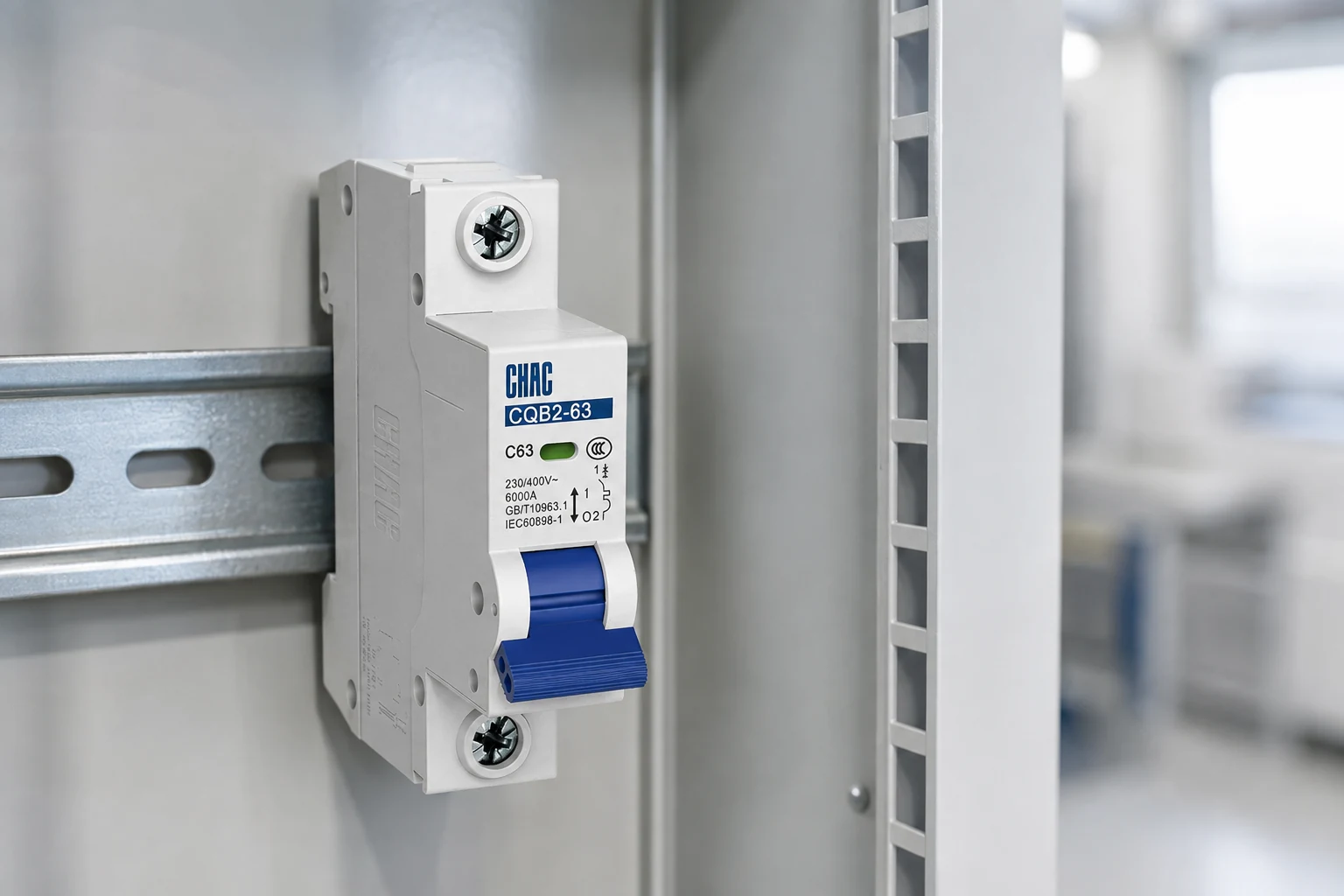
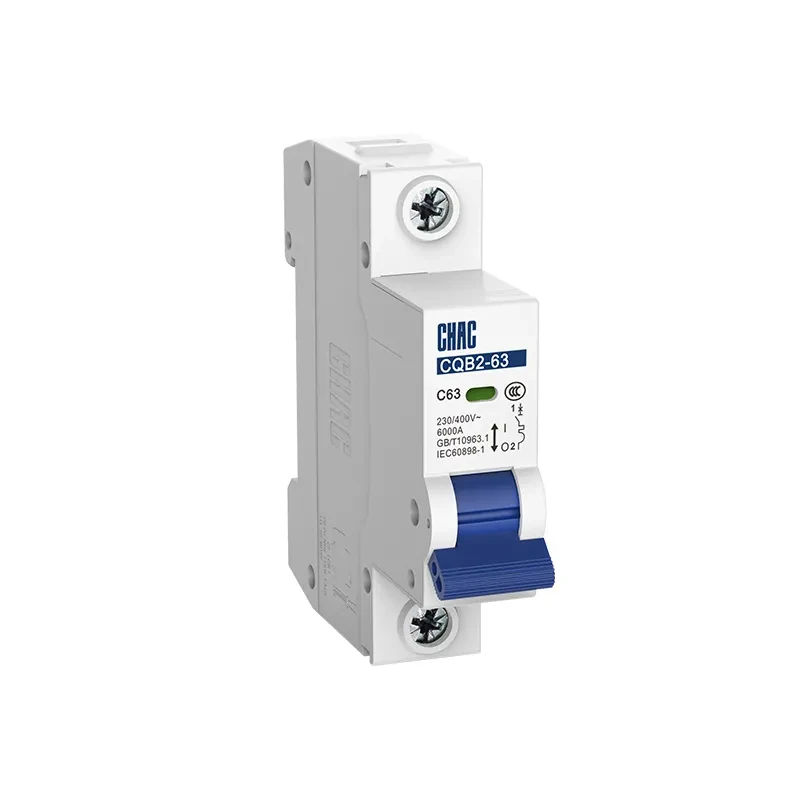
For a documented low-voltage application, CHAC Electric can be considered during component review. Buyers evaluating circuit breaker replacement cost can use the interruptor automático miniatura documentation to compare the CQB2-63 ratings and documentation with the actual circuit and enclosure requirements; a catalogue page is a sourcing reference, not approval for an existing third-party panel.
How can two replacement quotes describe different jobs?
Compare a base repair scope and its escalation conditions, not just the total. The base should identify the diagnostic allowance, exact replacement device, isolation arrangements, termination work and return-to-service checks. Separately state what happens if inspection finds a damaged bus, unusable conductor, obsolete part or fault elsewhere on the branch. Require approval before the contractor moves from a device replacement to wider panel work.
The distinction matters because a new breaker cannot repair a damaged bus contact. UL’s Panelboard Application Guide makes the accepted component combination and assembly ratings part of suitability. A quote that assumes a sound bus is not directly comparable with one that includes manufacturer-authorized repair or panel replacement. Neither should promise that any physically fitting substitute is acceptable.
| Quote boundary | Question to settle before work |
|---|---|
| Fault finding | Is diagnosis included, capped or charged separately if the breaker is sound? |
| Hidden damage | What finding requires a revised scope and customer approval? |
| Restoration | Are testing, labeling and required inspection included? |
| Repeat visit | How are unresolved faults, warranty work and new faults distinguished? |
For business premises, include access, outage coordination and any temporary supply in the comparison. Those are scope items to quote, not universal market prices. A published price range without location, date and matching work conditions is a poor basis for authorizing a repair.
Common questions about circuit-breaker replacement cost
Why can replacing a breaker cost more than the breaker itself?
Safe replacement can include isolation, diagnosis, compatibility review, removal, termination work, torque verification, testing, and documentation. Restricted access, an emergency call, or a required permit can add more time than the physical installation.
Is replacing a breaker cheaper than replacing the whole panel?
One breaker is normally the smaller scope when the panel is sound and an approved replacement is available. Whole-panel work can change the economics when the bus is damaged, parts are obsolete, capacity is inadequate, or repeated repairs and outages are likely.
Do AFCI and GFCI breakers cost more to replace?
They often carry higher device and diagnostic complexity than a standard breaker because neutral routing, fault causes, and prescribed test functions must be checked. The actual charge still depends on the panel, circuit, access, jurisdiction, and service conditions.
Can a contractor quote breaker replacement without seeing the panel?
A contractor can provide a provisional scope, but a firm price may require the panel label, breaker identification, photos, access details, and on-site diagnosis. Hidden heat damage or an obsolete mismatch can turn a simple estimate into a larger repair.
What cost is most often overlooked when replacing a breaker?
Repeat work after incomplete diagnosis is often overlooked. If overload, damaged wiring, moisture, or a loose termination remains, a new breaker may trip again and create another shutdown.
How can buyers reduce breaker replacement cost without cutting corners?
Maintain accurate panel schedules, record trip circumstances, provide safe access, and plan non-emergency shutdowns where possible. Give the contractor the panel and breaker identifiers early, but require final selection to follow the actual markings, instructions, and inspection findings.
Does replacing a breaker repair a burned panel bus?
No. Bus damage requires a separate assessment and an authorized repair or replacement path. The quotation should state whether the bus was inspected and what finding would expand the work beyond a breaker swap.
Referencias
- UL Solutions: Panelboard Application Guide; equipment markings, component combinations and terminals.
- UL Solutions: Circuit Breaker and Supplementary Protector Services; explains the limits of component and replacement investigations.
- OSHA 29 CFR 1910.333: Electrical work practices; safe-work scope for covered US workplaces.
The durable principle is simple: pay to restore verified protection, not merely to install a device that fits the opening.
For a planned low-voltage project, review the interruptor automático en miniatura CQB2-63 and contact CHAC Electric with the circuit ratings, protection function, destination market, and enclosure details. Final suitability must be confirmed against the actual installation and required documentation.