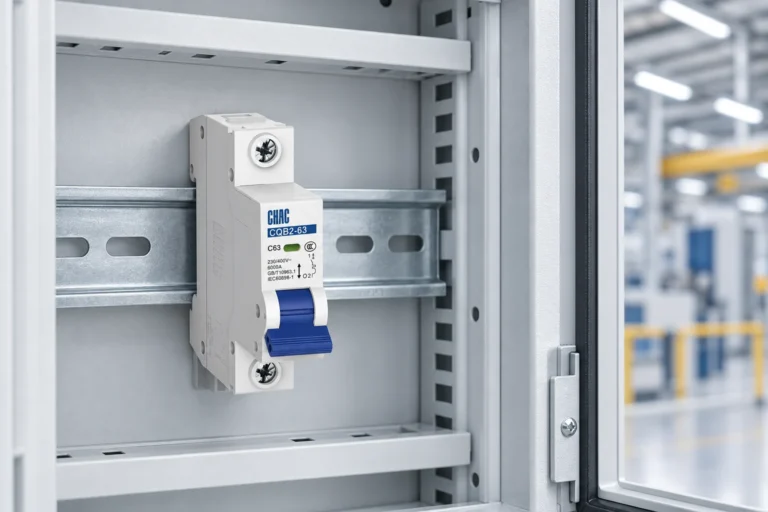
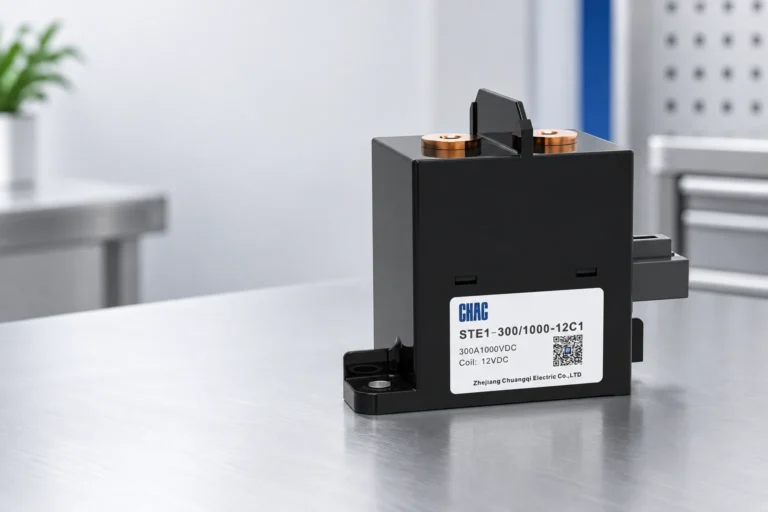
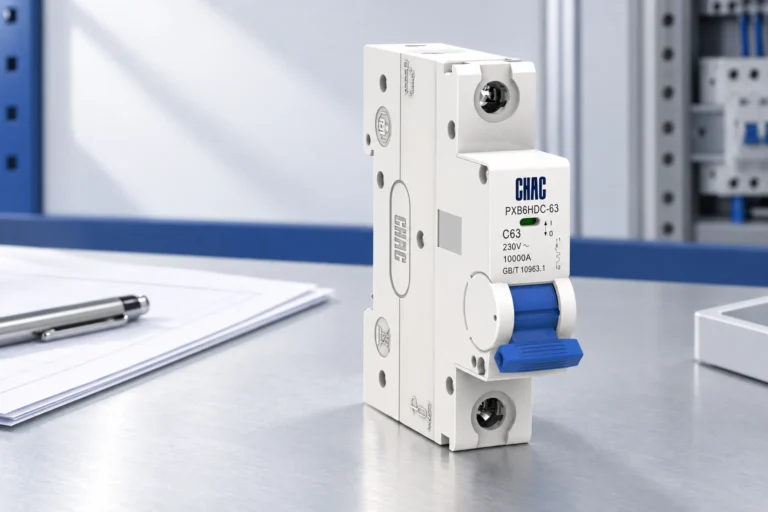
When a facilities engineer in Phoenix encountered a 30 amp circuit that tripped during a compressor start, he replaced the breaker before checking the conductor schedule. The larger device did not solve the visible failure; a review of the load, conductor material, route length, and termination ratings showed that selection and installation details were the real issue.
Summary: For a typical 30 amp branch circuit, 10 AWG copper is a common starting point, but it is not a universal answer. The final 30 amp breaker wire size depends on the ampacity table, insulation rating, ambient temperature, bundling, terminal limits, voltage drop, and whether the load is continuous. Use the National Electrical Code (NEC) as adopted by the project jurisdiction, verify the equipment nameplate, and have a qualified electrician confirm the design before energizing.
How to read a 30 amp wire size chart
A chart is a screening tool, not a permit-ready design. Under NEC Article 310, conductor ampacity is selected from the applicable table and then adjusted for temperature and the number of current-carrying conductors. A 30 amp overcurrent device protects the circuit conductors; it does not increase the conductor’s ampacity. The load calculation must also account for continuous operation, which NEC 210.20(A) generally treats at 125 percent of the continuous portion.
For many residential and light-commercial applications, 10 AWG copper appears in preliminary schedules because it commonly has an ampacity suitable for 30 amps after normal assumptions. That statement is different from saying every 10 AWG installation is acceptable. A conductor in a hot rooftop raceway, a cable surrounded by several loaded circuits, or a terminal limited to a lower temperature rating can require a different solution.
| Screening condition | Typical design question | Decision before approval |
|---|---|---|
| Conductor material | Copper or aluminum? | Use the correct ampacity column and terminal listing. |
| Insulation and terminals | 60 C, 75 C, or another listed limit? | Use the lowest applicable temperature rating. |
| Load profile | Continuous, motor, heating, or mixed load? | Apply the relevant NEC article and nameplate rules. |
| Installation conditions | Ambient heat, bundling, raceway, or cable tray? | Apply correction and adjustment factors. |
What changes the answer for gauge, load and service?
The phrase “30 amp service wire size” can describe a feeder, a branch circuit, or a cord-and-plug connection. These are different design problems. A service or feeder may require demand calculations, grounding and bonding decisions, disconnect rules, and equipment ratings. A branch circuit must be coordinated with the protective device and the utilization equipment. Treating every 30 amp label as the same can create nuisance trips or an unsafe conductor temperature.
Voltage matters because power equals voltage multiplied by current. A 30 amp, 120 volt load is nominally 3,600 watts before code derating and continuous-load limits; at 240 volts, the same current corresponds to 7,200 watts. The breaker pole arrangement and equipment nameplate must match the supply. Never infer voltage from amperage alone.
Distance introduces voltage drop. NEC informational notes commonly use 3 percent on a branch circuit and 5 percent for feeder plus branch circuit as design guidance, not as a blanket substitute for mandatory ampacity rules. Use the actual one-way length, conductor resistance, operating current, and acceptable drop. A longer run may justify a larger conductor even when the ampacity calculation still permits the smaller gauge.
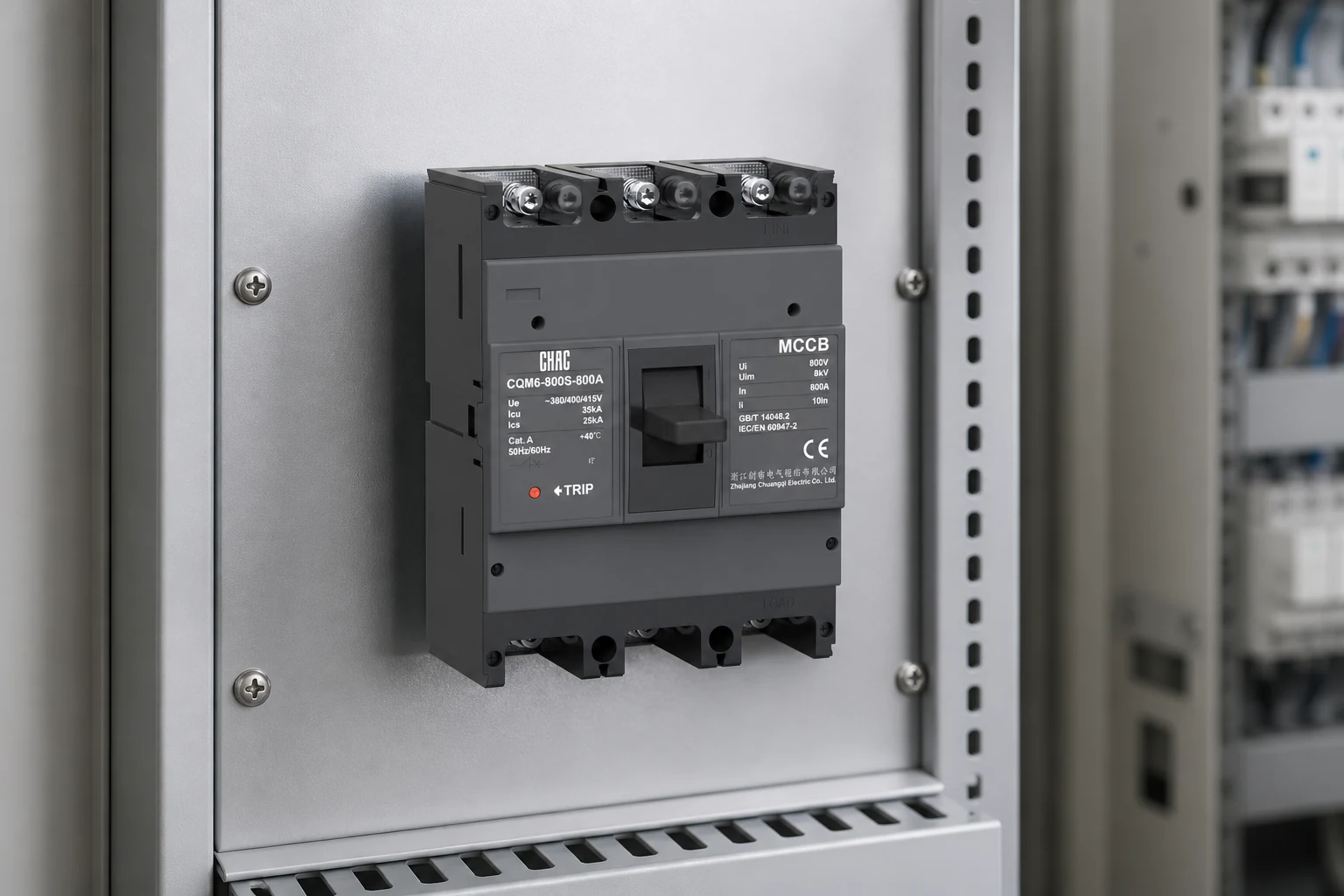
Comparison of common 30 amp sizing decisions
| Choice | Where it can fit | Primary check | Kesalahan umum |
|---|---|---|---|
| 10 AWG copper | Short to moderate branch circuits under ordinary conditions | Ampacity, terminals, derating, voltage drop | Assuming the gauge alone proves compliance |
| 8 AWG copper | Longer runs or higher voltage-drop sensitivity | Conduit fill, lugs, bending space, cost | Upsizing without confirming terminal range |
| Aluminum conductor | Feeder or larger conductor applications where listed equipment permits | Correct alloy, lugs, anti-oxidation instructions, torque | Using copper assumptions for aluminum ampacity |
| Multiwire circuit | Loads sharing a neutral where permitted | Handle ties, simultaneous disconnect, neutral loading | Ignoring shared-neutral fault behavior |
How to choose and document the installation
Start with the equipment nameplate and a load schedule. Record voltage, running current, inrush or starting current where applicable, duty cycle, continuous-load status, and the manufacturer’s minimum circuit ampacity or maximum overcurrent protection. Then identify the wiring method and conductor insulation. Confirm that the breaker, panel bus, lugs, and wire range are listed for the intended combination.
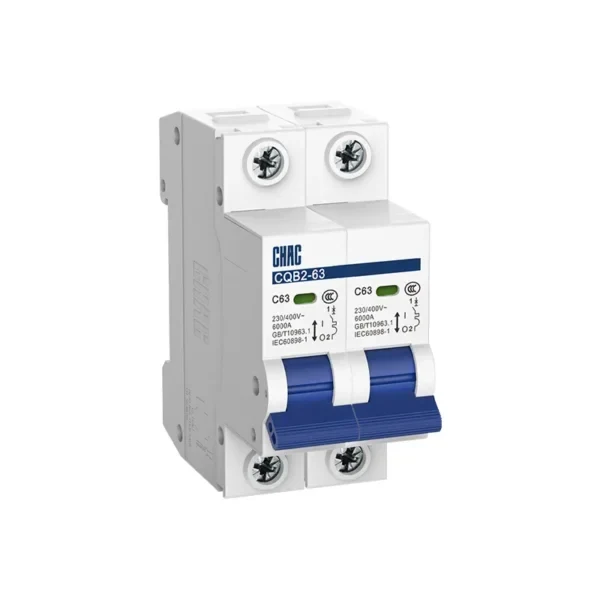
For a panelboard, a correctly selected pemutus sirkuit miniatur is only one part of coordination. A distribution enclosure such as the CQMG20B distribution box must also provide suitable space, terminals, and environmental protection for the conductors. Where leakage protection is required, consider an appropriately specified residual-current circuit breaker; do not substitute it for overcurrent protection unless the device is specifically rated for both functions.
Which standards and inspection checks should buyers document?
Use the locally adopted edition of NFPA 70 (NEC) for U.S. projects. IEC 60364 principles may apply in other markets, while IEC 60898-1 covers particular characteristics of circuit breakers for household and similar overcurrent protection. These documents define design or product requirements; they do not make an unverified assembly automatically compliant in every jurisdiction.
Before purchasing, request the breaker data sheet, terminal temperature rating, conductor range, interrupting rating, wiring diagram, and installation instructions. Keep the calculation, torque record, and inspection notes with the project file. A supplier can clarify product limits, but the project designer remains responsible for local code compliance and the final conductor selection.
Pertanyaan yang sering diajukan
Can I run 12/2 wire on a 30 amp breaker?
Usually not for a general-purpose circuit. The answer depends on the applicable ampacity table, cable type, temperature ratings, and a specific code allowance; many common 12 AWG cable installations are protected at 20 amps. Do not install a 30 amp device until a qualified electrician verifies the complete wiring method.
How far can 8 gauge wire carry 30 amps?
Its ampacity is not determined by distance alone, but voltage drop becomes the limiting design factor as the route grows. Calculate the two-way conductor length and operating current, then compare the result with the project’s voltage-drop target. Raceway fill, terminations, and correction factors still apply.
Is a 30 amp breaker 110 or 220?
It can be either nominally 120 volts or 240 volts depending on the supply and pole arrangement. A single-pole breaker is commonly used for a 120 volt circuit, while a listed two-pole breaker serves a 240 volt load. Check the equipment nameplate and panel schedule rather than relying on the amperage label.
How far can I run 10 gauge wire on a 30 amp circuit?
There is no universal distance limit. Determine allowable voltage drop, conductor resistance, load current, ambient conditions, and the installation method. A larger conductor may be selected for a long run even when 10 AWG passes the basic ampacity check.
What wire size is normally used for 30 amp breaker wire size?
10 AWG copper is a common preliminary choice for ordinary 30 amp branch circuits, subject to the NEC and the equipment instructions. It is not a substitute for checking temperature, bundling, continuous load, voltage drop, and terminal ratings. The final answer belongs in the project calculation.
How does copper compare with aluminum for 30 amp breaker wire size?
Copper and aluminum have different ampacity, termination, expansion, and installation considerations. Use conductors and lugs listed together, follow torque and preparation instructions, and use the correct table column. Never choose aluminum by simply matching the copper gauge.
Which official sources should buyers verify?
- NFPA 70 National Electrical Code
- OSHA 29 CFR 1910.303
- IEC 60898-1
- NIST electrical measurement resources
The reliable principle is simple: size the circuit as a system, then let the breaker protect the conductor. When you need coordinated low-voltage protection and enclosure options, review CHAC Electric’s 30 amp circuit protection range with the project schedule and invite the technical team to confirm the documentation needed for your market.