Kiedy gałąź-przekaźnik Jeśli wyłącznik nadprądowy często się uruchamia podczas prac wykończeniowych lokalu przez najemcę, wymiana urządzenia może wydawać się najprostszym rozwiązaniem. Jeśli jednak wyłącznik ponownie zadziała natychmiast po przywróceniu normalnego obciążenia, kolejnym koniecznym krokiem jest diagnostyka: przed dokonaniem kolejnej wymiany należy sprawdzić obciążenie obwodu, odpowiednio dobrany wyłącznik oraz stan zakończeń przewodów.
Krótką odpowiedzią jest: Ten koszt wymiany przekaźnik Jest on sterowany diagnozą, typem urządzenia, dostępem, lokalnymi warunkami pracy i stanem panelu – a nie tylko wyłącznikiem. Standardowe jednobiegunowe urządzenie, dwubiegunowy wyłącznik oraz wyłącznik AFCI lub GFCI wymagają różnych sprawdzeń. Artykuł 110 NEC wymaga, aby sprzęt posiadający listę lub etykietę był instalowany i używany zgodnie z jego instrukcjami. Poproś o zakres obejmujący lokalizację usterek, zgodność z dopuszczeniem, moment dokręcania zacisków określony przez producenta, testy funkcjonalne oraz wszelkie pozwolenia lub inspekcje wymagane przez lokalny organ właściwy do nadzoru.
Wykonawca powinien ustalić przyczynę działania wyłącznika, potwierdzić, że wymiana jest dopuszczalna w przypadku danego rozdzielnika, sprawdzić przewody i połączenia szyn oraz przetestować przywrócony obwód. Niniejszy przewodnik na temat Jak sprawdzić, czy wyłącznik automatyczny jest wadliwy? Może pomóc kupującemu zebrać objawy, ale diagnoza należy do osoby uprawnionej.
Co powinna zawierać wycena wymiany wyłącznika automatycznego?
Wyłącznik, który nie chce się zresetować, nie musi być automatycznie wadliwy. Ten sam objaw może być spowodowany zwarciem, zwrotem na uziemienie, przekładką obciążeniową, luźnym połączeniem, błędem związanych z wspólnym przewodem neutralnym lub drogą wilgoci. Przejrzyj historię wyzbyć i podłączone odbiorniki, a następnie zastosuj odpowiednie metody, takie jak test ciągłości poszczególnych obwodów, pomiar rezystancji izolacji (o ile pozwala na to podłączone urządzenie), pomiary przy użyciu miernika cęgowego oraz testy zalecane przez producenta.
Termografia może wykryć nieprawidłowy wzór temperatury pod obciążeniem, ale nie dowodzi poprawnego doboru wyłącznika. Sprawdzenie przycisku testowego AFCI lub GFCI potwierdza tylko zdefiniowaną funkcję; nie wyklucza wszystkich usterek instalacji elektrycznej. Przepisy OSHA oraz zasady NFPA 70E również wpływają na testowanie pod napięciem i związane z nim kontrole.
Rozdziel w budżecie koszty diagnozy od kosztów montażu. Wymagaj, aby w ofercie określono, jakie dowody potwierdzą zakończenie etapu diagnostycznego, co jest objęte gwarancją w przypadku utrzymywania się awarii oraz jaki wynik przywrócenia urządzenia do eksploatacji zostanie udokumentowany. Pozwala to uniknąć sytuacji, w której niska kwota za montaż ukrywa konieczność drugiej wizyty lub nieplanowanego wyłączenia urządzenia.
Jakie czynniki faktycznie wpływają na koszt wymiany wyłączników automatycznych?
Są to czynniki determinujące koszt wymiany wyłącznika, a nie uniwersalne przedziały cenowe. Stawki lokalne za pracę, koszty dojazdu, interwencje awaryjne, minimalne opłaty za usługę, ograniczenia dostępu oraz procedury uzyskiwania pozwoleń różnią się w zależności od jurysdykcji i pory wykonania prac. Nie należy przyjmować żadnych aktualnych cen regionalnych bez uzyskania oferty indywidualnej dla danego miejsca.
| Wskaźnik kosztów | Co powinien identyfikować zakres działania | Tendencja względnych kosztów |
|---|---|---|
| Standardowy wyłącznik jednobiegunowy | Identyfikacja panelu, rozmieszczenie biegunów, klasyfikacja, stan przewodników, określony moment obrotowy oraz test funkcjonalny. | Mniejsza złożoność, gdy panel i okablowanie są w dobrym stanie. |
| Wyłącznik dwubiegunowy | Common operation, voltage, conductor arrangement, interrupting rating, and panel compatibility. | More verification than a basic single-pole job. |
| AFCI or GFCI breaker | Neutral routing, circuit configuration, fault history, test/reset function, and nuisance-trip diagnosis. | Higher device and troubleshooting complexity is common. |
| Main or molded-case device | Outage plan, coordination or settings review, accessories, fault rating, and qualified access controls. | Broader planning and shutdown scope. |
| Access, timing, and region | Locked rooms, tenant coordination, production windows, travel, emergency dispatch, and local minimum charges. | Site-specific; restricted or after-hours work generally expands the scope. |
| Permit and inspection | Adopted code, authority having jurisdiction, filing responsibility, and inspection timing. | Administrative cost and schedule impact where required. |
Compare breaker labor cost by included work, not hourly rate alone. One quote may include tracing, shutdown coordination, torque records, labeling, and functional checks; another may cover only removal and installation.
When does panel condition make a wider repair more economical?
A physically fitting breaker is not necessarily approved. Panel labeling, ratings, pole configuration, interrupting capability, and listing information must support the combination. Obsolete parts can be difficult to source, while an incorrect substitute can create unreliable bus contact or undermine the assembly’s evaluation. Appearance is not compatibility evidence.
Discoloration, melted insulation, pitting, or a burned conductor can indicate more than breaker failure. Inspect the terminal and bus, address damaged conductors only by an allowed method, and tighten connections to the manufacturer’s specified torque with an appropriate tool. Guessing can leave a heating joint or damage the terminal.
When damage extends to the bus, enclosure, neutral assembly, or multiple positions, panel condition becomes the economic question. Scarce breakers and repeated repairs may cost more over the asset life than planned panel work. A przekształtnik rozdzielczy product reference can support a new-assembly review, but does not establish a retrofit price or compatibility with the existing panel. Broader replacement also merits review when capacity is inadequate, modifications are undocumented, or required protection cannot be supported. See these fuse box and circuit breaker box considerations for legacy context.
| Obserwowany stan | Verification needed | Decision path |
|---|---|---|
| Modern panel, correct device available, no damage | Rating, conductor condition, specified torque, and functional test. | Contained breaker replacement may be economical. |
| Repeated trips with no visible damage | Load measurement and downstream fault diagnosis before replacement. | Correct the circuit cause, then replace only if justified. |
| Obsolete or wrongly matched part | Panel labeling, manufacturer documentation, listing basis, and fault rating. | Source an approved match or assess retrofit and panel options. |
| Terminal heat damage | Conductor, lug, insulation, torque requirement, and adjacent-device inspection. | Repair scope expands beyond the breaker. |
| Damaged bus or multiple compromised positions | Assembly integrity, outage plan, capacity, and code review. | Whole-panel work may provide better lifecycle economics. |
What should a compliant replacement scope document?
IEC 60898-1 addresses circuit-breakers for household and similar installations within its scope; IEC 60947-2 covers circuit-breakers for industrial and similar low-voltage applications. In the United States, the locally adopted NFPA 70 governs installation, while OSHA addresses workplace electrical safety. A test method, code, or safe-work rule is not product certification; applicability depends on market, intended use, and the claims made about the product.
Permit conditions are local. A branch-breaker change may be treated differently from main-device, panel, service-equipment, or regulated-occupancy work. The authority having jurisdiction decides adopted rules and inspection conditions. Confirm permit responsibility, inspection timing, shutdown prerequisites, and documentation before work begins.
The scope should record panel and breaker identifiers, the diagnosed fault, replacement ratings, compatibility basis, conductor condition, instructed torque, test results, and directory update. If work expands, compare targeted repair with panel replacement using outage time, part availability, capacity, and repeat maintenance.
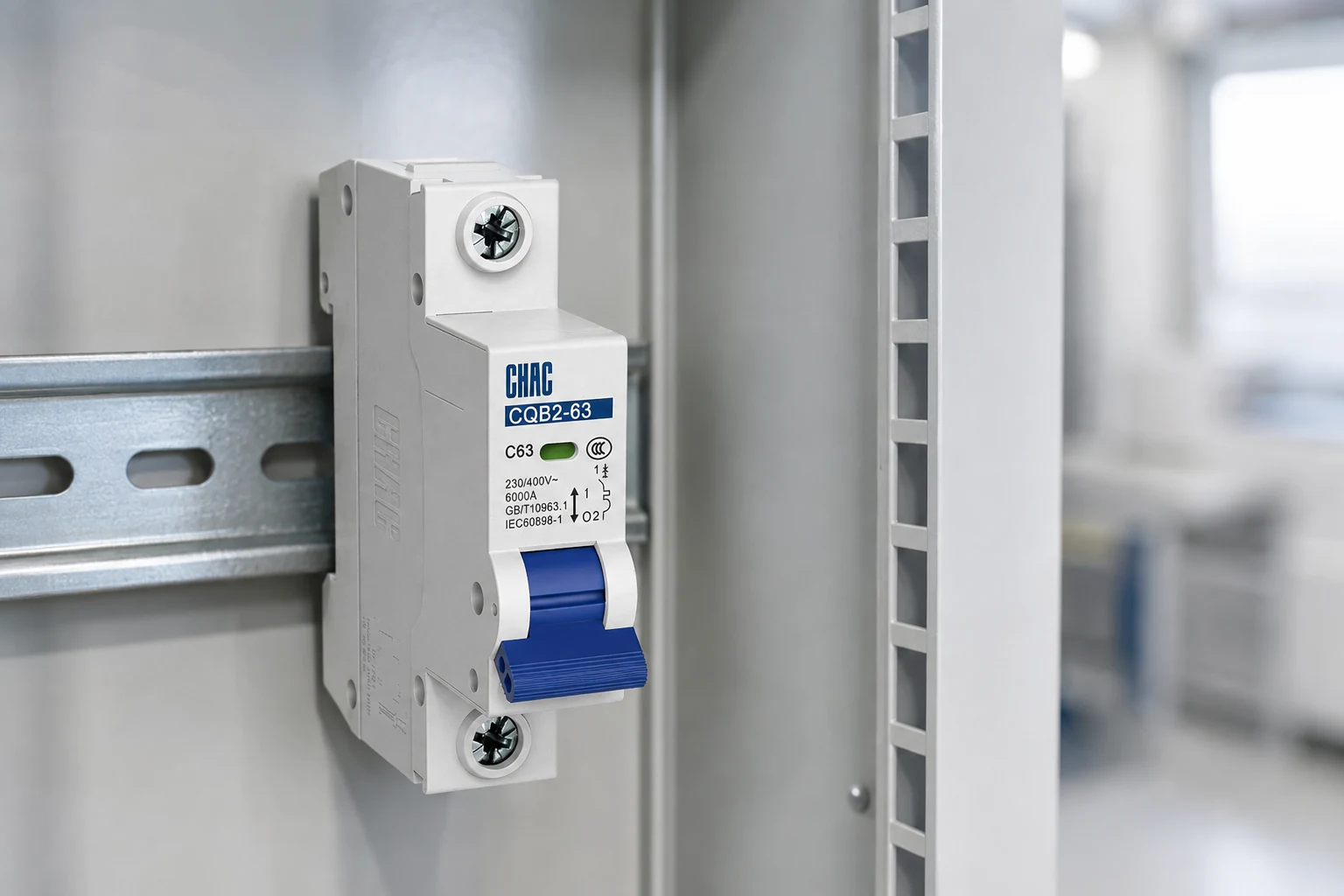
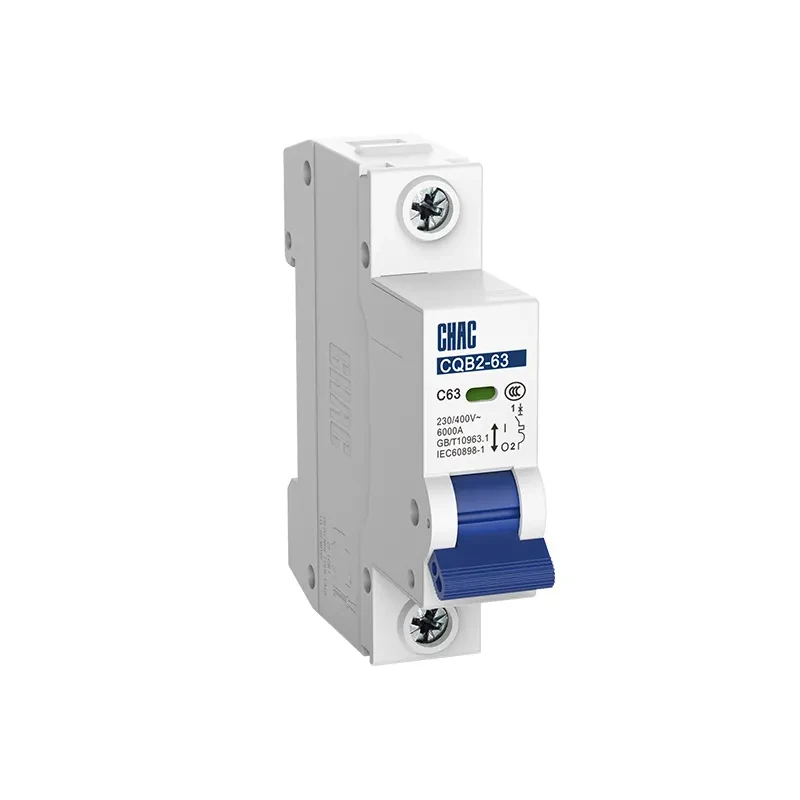
For a documented low-voltage application, CHAC Electric can be considered during component review. Buyers evaluating circuit breaker replacement cost can use the wyłącznik nadprądowy documentation to compare the CQB2-63 ratings and documentation with the actual circuit and enclosure requirements; a catalogue page is a sourcing reference, not approval for an existing third-party panel.
How can two replacement quotes describe different jobs?
Compare a base repair scope and its escalation conditions, not just the total. The base should identify the diagnostic allowance, exact replacement device, isolation arrangements, termination work and return-to-service checks. Separately state what happens if inspection finds a damaged bus, unusable conductor, obsolete part or fault elsewhere on the branch. Require approval before the contractor moves from a device replacement to wider panel work.
The distinction matters because a new breaker cannot repair a damaged bus contact. UL’s Przewodnik po zastosowaniach płyt panelowych makes the accepted component combination and assembly ratings part of suitability. A quote that assumes a sound bus is not directly comparable with one that includes manufacturer-authorized repair or panel replacement. Neither should promise that any physically fitting substitute is acceptable.
| Quote boundary | Question to settle before work |
|---|---|
| Fault finding | Is diagnosis included, capped or charged separately if the breaker is sound? |
| Hidden damage | What finding requires a revised scope and customer approval? |
| Restoration | Are testing, labeling and required inspection included? |
| Repeat visit | How are unresolved faults, warranty work and new faults distinguished? |
For business premises, include access, outage coordination and any temporary supply in the comparison. Those are scope items to quote, not universal market prices. A published price range without location, date and matching work conditions is a poor basis for authorizing a repair.
Common questions about circuit-breaker replacement cost
Why can replacing a breaker cost more than the breaker itself?
Safe replacement can include isolation, diagnosis, compatibility review, removal, termination work, torque verification, testing, and documentation. Restricted access, an emergency call, or a required permit can add more time than the physical installation.
Is replacing a breaker cheaper than replacing the whole panel?
One breaker is normally the smaller scope when the panel is sound and an approved replacement is available. Whole-panel work can change the economics when the bus is damaged, parts are obsolete, capacity is inadequate, or repeated repairs and outages are likely.
Do AFCI and GFCI breakers cost more to replace?
They often carry higher device and diagnostic complexity than a standard breaker because neutral routing, fault causes, and prescribed test functions must be checked. The actual charge still depends on the panel, circuit, access, jurisdiction, and service conditions.
Can a contractor quote breaker replacement without seeing the panel?
A contractor can provide a provisional scope, but a firm price may require the panel label, breaker identification, photos, access details, and on-site diagnosis. Hidden heat damage or an obsolete mismatch can turn a simple estimate into a larger repair.
What cost is most often overlooked when replacing a breaker?
Repeat work after incomplete diagnosis is often overlooked. If overload, damaged wiring, moisture, or a loose termination remains, a new breaker may trip again and create another shutdown.
How can buyers reduce breaker replacement cost without cutting corners?
Maintain accurate panel schedules, record trip circumstances, provide safe access, and plan non-emergency shutdowns where possible. Give the contractor the panel and breaker identifiers early, but require final selection to follow the actual markings, instructions, and inspection findings.
Does replacing a breaker repair a burned panel bus?
No. Bus damage requires a separate assessment and an authorized repair or replacement path. The quotation should state whether the bus was inspected and what finding would expand the work beyond a breaker swap.
Przypisy
- UL Solutions: Przewodnik po zastosowaniach płyt sterowniczych; equipment markings, component combinations and terminals.
- UL Solutions: Usługi związane z wyłącznikami i dodatkowymi zabezpieczeniami; explains the limits of component and replacement investigations.
- OSHA 29 CFR 1910.333: Praktyki związane z pracami elektrycznymi; safe-work scope for covered US workplaces.
The durable principle is simple: pay to restore verified protection, not merely to install a device that fits the opening.
For a planned low-voltage project, review the CQB2-63 wyłącznik nadprądowy miniaturowy and contact CHAC Electric with the circuit ratings, protection function, destination market, and enclosure details. Final suitability must be confirmed against the actual installation and required documentation.