Wenn ein Zweig-Schutzschalter Wenn der Schutzschalter während eines Mieterausbaus immer wieder auslöst, könnte der Austausch des Geräts als schnellste Lösung erscheinen. Löst er jedoch sofort wieder aus, sobald die normale Belastung wieder auftritt, ist die diagnostische Fehleranalyse der nächste sinnvolle Schritt: Vor einem erneuten Austausch müssen die Schaltkreisbelastung, die Auswahl des Leistungsschalters und die Anschlussbedingungen überprüft werden.
Die kurze Antwort lautet: Die Kosten für den Ersatz eines Schutzschalter wird durch die Diagnose, den Gerätetyp, den Zugang, die örtlichen Arbeitsbedingungen und den Zustand der Schalttafel bestimmt – nicht allein durch den Leistungsschalter. Ein standardmäßiges einpoliges Gerät, ein zweipoliger Leistungsschalter sowie ein AFCI- oder GFCI-Leistungsschalter erfordern unterschiedliche Prüfungen. Artikel 110 des NEC schreibt vor, dass gelistete oder gekennzeichnete Geräte gemäß ihren Anweisungen installiert und verwendet werden müssen. Fordern Sie einen Leistungsumfang an, der Fehlerortung, eine genehmigte Übereinstimmung, das vom Hersteller vorgeschriebene Anschlusstdrehmoment, Funktionstests sowie alle von der zuständigen Behörde geforderten Genehmigungen oder Inspektionen umfasst.
Der Auftragnehmer sollte die Ursache für das Auslösen des Leistungsschalters ermitteln, sicherstellen, dass der Austausch für genau dieses Schaltfeld zulässig ist, die Leiter und die Busanschlüsse prüfen sowie den wiederhergestellten Stromkreis testen. Dieser Leitfaden über Wie man erkennt, ob ein Leistungsschalter defekt ist Es kann einem Käufer helfen, Symptome zu erfassen, doch die Diagnose obliegt einer qualifizierten Person.
Was sollte ein Kostenvoranschlag für den Austausch eines Leistungsschalters enthalten?
Ein Leitungsschutzschalter, der sich nicht rücksetzt, ist nicht zwangsläufig defekt. Ein Kurzschluss, ein Erdschluss, eine Überlast, eine lose Anschlussverbindung, ein Fehler bei der gemeinsamen Neutralleitung oder ein Feuchtigkeitspfad können das gleiche Symptom verursachen. Prüfen Sie die Auslösehistorie und die angeschlossenen Lasten, und wenden Sie anschließend geeignete Methoden an, wie z. B. die Durchgangsprüfung der einzelnen Stromkreise, die Isolationswiderstandsmessung – sofern dies von den angeschlossenen Geräten zugelassen wird –, Messungen mit einem Strommesszangenmultimeter sowie die vom Hersteller vorgeschriebenen Prüfverfahren.
Die Thermografie kann ein abnormales Temperaturmuster unter Last erkennen, beweist jedoch nicht die korrekte Auswahl des Leistungsschalters. Eine Prüfung der Testtaste eines AFCI- oder GFCI-Geräts bestätigt lediglich die vorgeschriebene Funktion; sie schließt nicht jeden Verkabelungsfehler aus. OSHA-Vorschriften und NFPA 70E-Grundsätze beeinflussen ebenfalls das energiebeaufschlagte Testen und dessen Kontrollmaßnahmen.
Trennen Sie die Diagnose von der Installation im Budget. Verlangen Sie, dass das Angebot angibt, welche Nachweise den Diagnoseschritt abschließen, was im Falle eines weiterhin bestehenden Fehlers enthalten ist und welches Ergebnis der Wiederinbetriebnahme dokumentiert wird. Dies verhindert, dass eine niedrige Installationskostenposition einen zweiten Einsatz oder eine ungeplante Stilllegung verschleiert.
Welche Faktoren beeinflussen tatsächlich die Kosten für den Austausch von Leistungsschaltern?
Dies sind Faktoren, die die Kosten für den Austausch von Leistungsschaltern beeinflussen, und keine allgemeingültigen Preisrahmen. Regionale Arbeitskosten, Anfahrtswege, Notdiensteinsätze, Mindestservicegebühren, Zugangsbeschränkungen sowie Genehmigungspraktiken unterscheiden sich je nach Gerichtsbarkeit und Zeitpunkt der Arbeiten. Ohne ein standortspezifisches Angebot darf kein aktueller regionaler Preis unterstellt werden.
| Kostentreiber | Was der Geltungsbereich erfassen sollte | Relative Kostenentwicklung |
|---|---|---|
| Standard-Einpol-Schutzschalter | Plattenausführung, Polanordnung, Nennwert, Zustand der Leiter, vorgeschriebenes Drehmoment und Funktionsprüfung. | Lower complexity when the panel and wiring are sound. |
| Two-pole breaker | Common operation, voltage, conductor arrangement, interrupting rating, and panel compatibility. | More verification than a basic single-pole job. |
| AFCI or GFCI breaker | Neutral routing, circuit configuration, fault history, test/reset function, and nuisance-trip diagnosis. | Higher device and troubleshooting complexity is common. |
| Main or molded-case device | Outage plan, coordination or settings review, accessories, fault rating, and qualified access controls. | Broader planning and shutdown scope. |
| Access, timing, and region | Locked rooms, tenant coordination, production windows, travel, emergency dispatch, and local minimum charges. | Site-specific; restricted or after-hours work generally expands the scope. |
| Permit and inspection | Adopted code, authority having jurisdiction, filing responsibility, and inspection timing. | Administrative cost and schedule impact where required. |
Compare breaker labor cost by included work, not hourly rate alone. One quote may include tracing, shutdown coordination, torque records, labeling, and functional checks; another may cover only removal and installation.
When does panel condition make a wider repair more economical?
A physically fitting breaker is not necessarily approved. Panel labeling, ratings, pole configuration, interrupting capability, and listing information must support the combination. Obsolete parts can be difficult to source, while an incorrect substitute can create unreliable bus contact or undermine the assembly’s evaluation. Appearance is not compatibility evidence.
Discoloration, melted insulation, pitting, or a burned conductor can indicate more than breaker failure. Inspect the terminal and bus, address damaged conductors only by an allowed method, and tighten connections to the manufacturer’s specified torque with an appropriate tool. Guessing can leave a heating joint or damage the terminal.
When damage extends to the bus, enclosure, neutral assembly, or multiple positions, panel condition becomes the economic question. Scarce breakers and repeated repairs may cost more over the asset life than planned panel work. A Verteilkasten product reference can support a new-assembly review, but does not establish a retrofit price or compatibility with the existing panel. Broader replacement also merits review when capacity is inadequate, modifications are undocumented, or required protection cannot be supported. See these fuse box and circuit breaker box considerations for legacy context.
| Observed condition | Verification needed | Decision path |
|---|---|---|
| Modern panel, correct device available, no damage | Rating, conductor condition, specified torque, and functional test. | Contained breaker replacement may be economical. |
| Repeated trips with no visible damage | Load measurement and downstream fault diagnosis before replacement. | Correct the circuit cause, then replace only if justified. |
| Obsolete or wrongly matched part | Panel labeling, manufacturer documentation, listing basis, and fault rating. | Source an approved match or assess retrofit and panel options. |
| Terminal heat damage | Conductor, lug, insulation, torque requirement, and adjacent-device inspection. | Repair scope expands beyond the breaker. |
| Damaged bus or multiple compromised positions | Assembly integrity, outage plan, capacity, and code review. | Whole-panel work may provide better lifecycle economics. |
What should a compliant replacement scope document?
IEC 60898-1 addresses circuit-breakers for household and similar installations within its scope; IEC 60947-2 covers circuit-breakers for industrial and similar low-voltage applications. In the United States, the locally adopted NFPA 70 governs installation, while OSHA addresses workplace electrical safety. A test method, code, or safe-work rule is not product certification; applicability depends on market, intended use, and the claims made about the product.
Permit conditions are local. A branch-breaker change may be treated differently from main-device, panel, service-equipment, or regulated-occupancy work. The authority having jurisdiction decides adopted rules and inspection conditions. Confirm permit responsibility, inspection timing, shutdown prerequisites, and documentation before work begins.
The scope should record panel and breaker identifiers, the diagnosed fault, replacement ratings, compatibility basis, conductor condition, instructed torque, test results, and directory update. If work expands, compare targeted repair with panel replacement using outage time, part availability, capacity, and repeat maintenance.
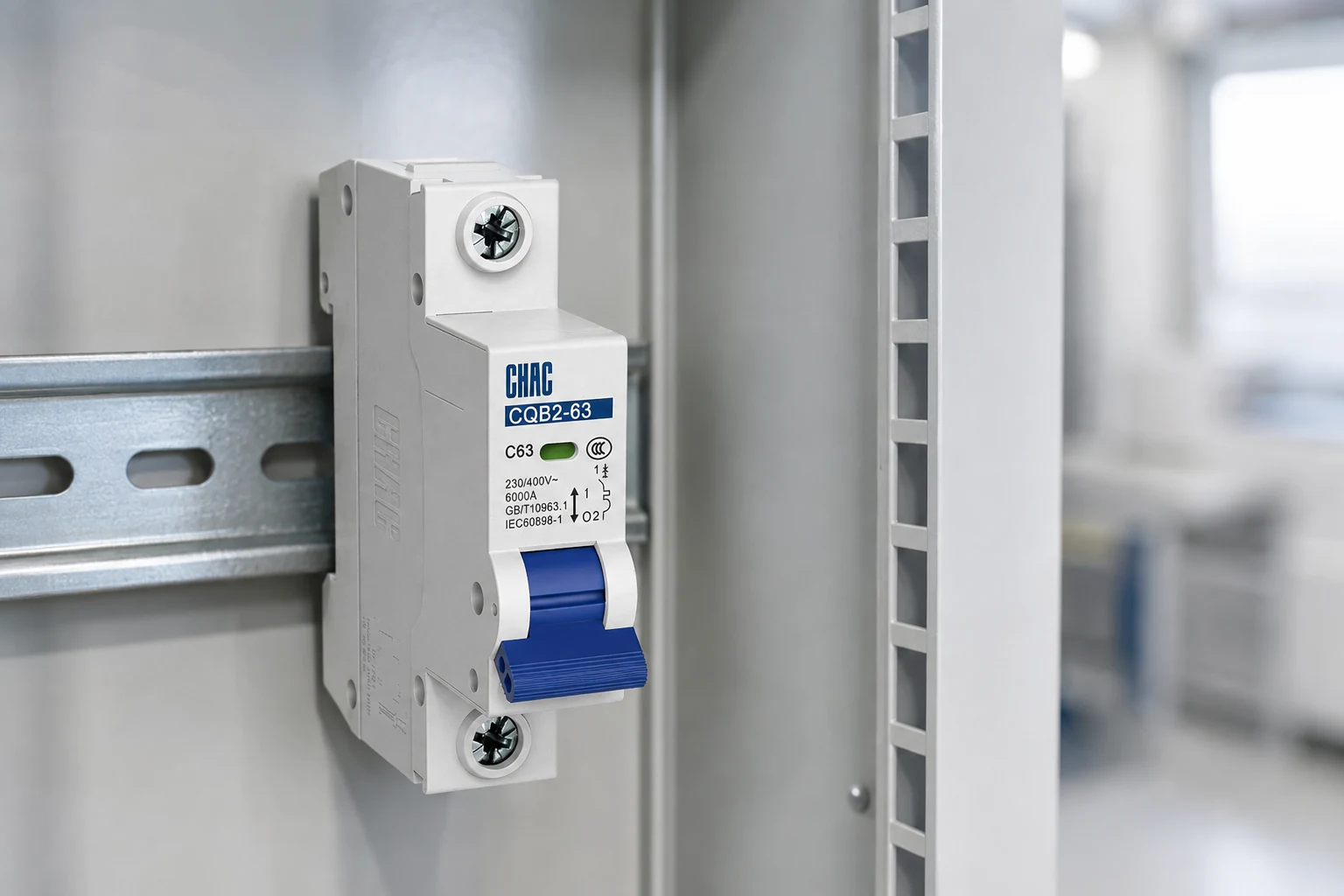
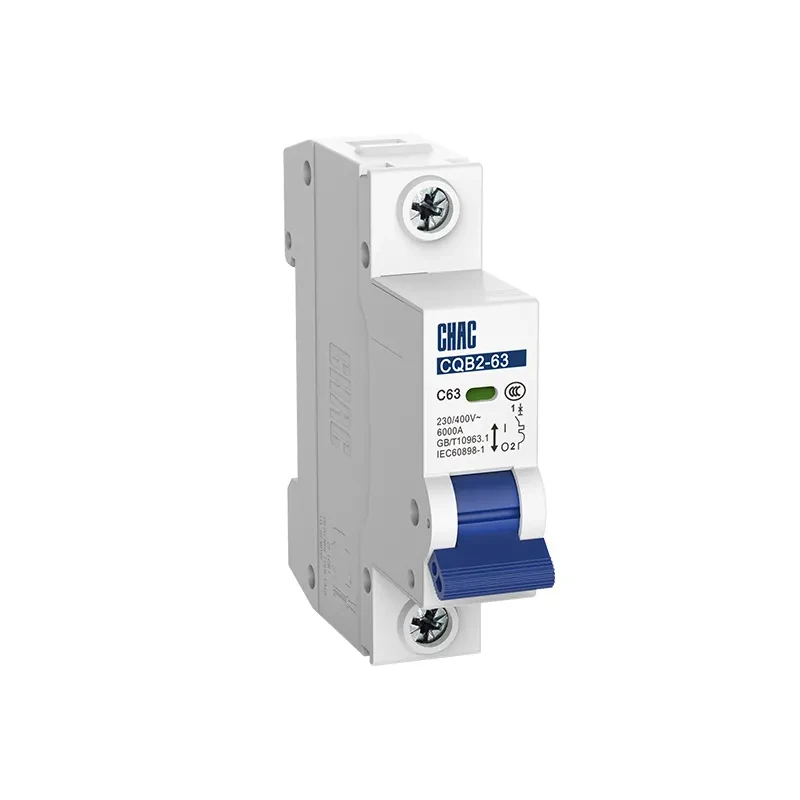
For a documented low-voltage application, CHAC Electric can be considered during component review. Buyers evaluating circuit breaker replacement cost can use the Leitungsschutzschalter documentation to compare the CQB2-63 ratings and documentation with the actual circuit and enclosure requirements; a catalogue page is a sourcing reference, not approval for an existing third-party panel.
How can two replacement quotes describe different jobs?
Compare a base repair scope and its escalation conditions, not just the total. The base should identify the diagnostic allowance, exact replacement device, isolation arrangements, termination work and return-to-service checks. Separately state what happens if inspection finds a damaged bus, unusable conductor, obsolete part or fault elsewhere on the branch. Require approval before the contractor moves from a device replacement to wider panel work.
The distinction matters because a new breaker cannot repair a damaged bus contact. UL’s Leitfaden für Schalttafelanwendungen makes the accepted component combination and assembly ratings part of suitability. A quote that assumes a sound bus is not directly comparable with one that includes manufacturer-authorized repair or panel replacement. Neither should promise that any physically fitting substitute is acceptable.
| Quote boundary | Question to settle before work |
|---|---|
| Fault finding | Is diagnosis included, capped or charged separately if the breaker is sound? |
| Hidden damage | What finding requires a revised scope and customer approval? |
| Restoration | Are testing, labeling and required inspection included? |
| Repeat visit | How are unresolved faults, warranty work and new faults distinguished? |
For business premises, include access, outage coordination and any temporary supply in the comparison. Those are scope items to quote, not universal market prices. A published price range without location, date and matching work conditions is a poor basis for authorizing a repair.
Common questions about circuit-breaker replacement cost
Why can replacing a breaker cost more than the breaker itself?
Safe replacement can include isolation, diagnosis, compatibility review, removal, termination work, torque verification, testing, and documentation. Restricted access, an emergency call, or a required permit can add more time than the physical installation.
Is replacing a breaker cheaper than replacing the whole panel?
One breaker is normally the smaller scope when the panel is sound and an approved replacement is available. Whole-panel work can change the economics when the bus is damaged, parts are obsolete, capacity is inadequate, or repeated repairs and outages are likely.
Do AFCI and GFCI breakers cost more to replace?
They often carry higher device and diagnostic complexity than a standard breaker because neutral routing, fault causes, and prescribed test functions must be checked. The actual charge still depends on the panel, circuit, access, jurisdiction, and service conditions.
Can a contractor quote breaker replacement without seeing the panel?
A contractor can provide a provisional scope, but a firm price may require the panel label, breaker identification, photos, access details, and on-site diagnosis. Hidden heat damage or an obsolete mismatch can turn a simple estimate into a larger repair.
What cost is most often overlooked when replacing a breaker?
Repeat work after incomplete diagnosis is often overlooked. If overload, damaged wiring, moisture, or a loose termination remains, a new breaker may trip again and create another shutdown.
How can buyers reduce breaker replacement cost without cutting corners?
Maintain accurate panel schedules, record trip circumstances, provide safe access, and plan non-emergency shutdowns where possible. Give the contractor the panel and breaker identifiers early, but require final selection to follow the actual markings, instructions, and inspection findings.
Does replacing a breaker repair a burned panel bus?
No. Bus damage requires a separate assessment and an authorized repair or replacement path. The quotation should state whether the bus was inspected and what finding would expand the work beyond a breaker swap.
Verweise
- UL Solutions: Leitfaden für Schalttafelanwendungen; equipment markings, component combinations and terminals.
- UL Solutions: Dienstleistungen für Schaltanlagen und Zusatzschutz; explains the limits of component and replacement investigations.
- OSHA 29 CFR 1910.333: Elektroarbeitspraktiken; safe-work scope for covered US workplaces.
The durable principle is simple: pay to restore verified protection, not merely to install a device that fits the opening.
For a planned low-voltage project, review the CQB2-63 Miniatur-Schutzschalter and contact CHAC Electric with the circuit ratings, protection function, destination market, and enclosure details. Final suitability must be confirmed against the actual installation and required documentation.