In a hypothetical packaging plant in Leeds, a buyer approves a motor control center from the motor list and enclosure dimensions. Commissioning then reveals that one starter cannot report the required fault state to the control system. The missing item was an interface requirement, not cabinet space.
Podsumowanie: A motor control center groups motor-control circuits in a coordinated assembly. A typical starter combines switching, overload protection and short-circuit protection, while the complete MCC also needs suitable buswork, isolation, control power and interfaces. IEC 61439 assembly verification and IEC 60947 component requirements address different levels of the design.
An MCC is an assembly of coordinated motor circuits
A motor control center distributes power and control to multiple motor loads through an organized assembly. Individual compartments can contain direct-on-line starters, reversing arrangements, soft starters or variable-frequency drives, depending on the process.
The main power path, control power and communications are related but separate specifications. Define operating states, local and remote control, permissives and feedback before choosing components. A starter that runs a motor locally may still fail the required process-control interface.
A VFD is one method of controlling motor speed and starting behavior. An MCC can contain VFD feeders as well as other starter types. Comparing a VFD with an MCC as though they were alternative names for one product leads to incomplete quotations.
Each protective function needs a stated responsibility
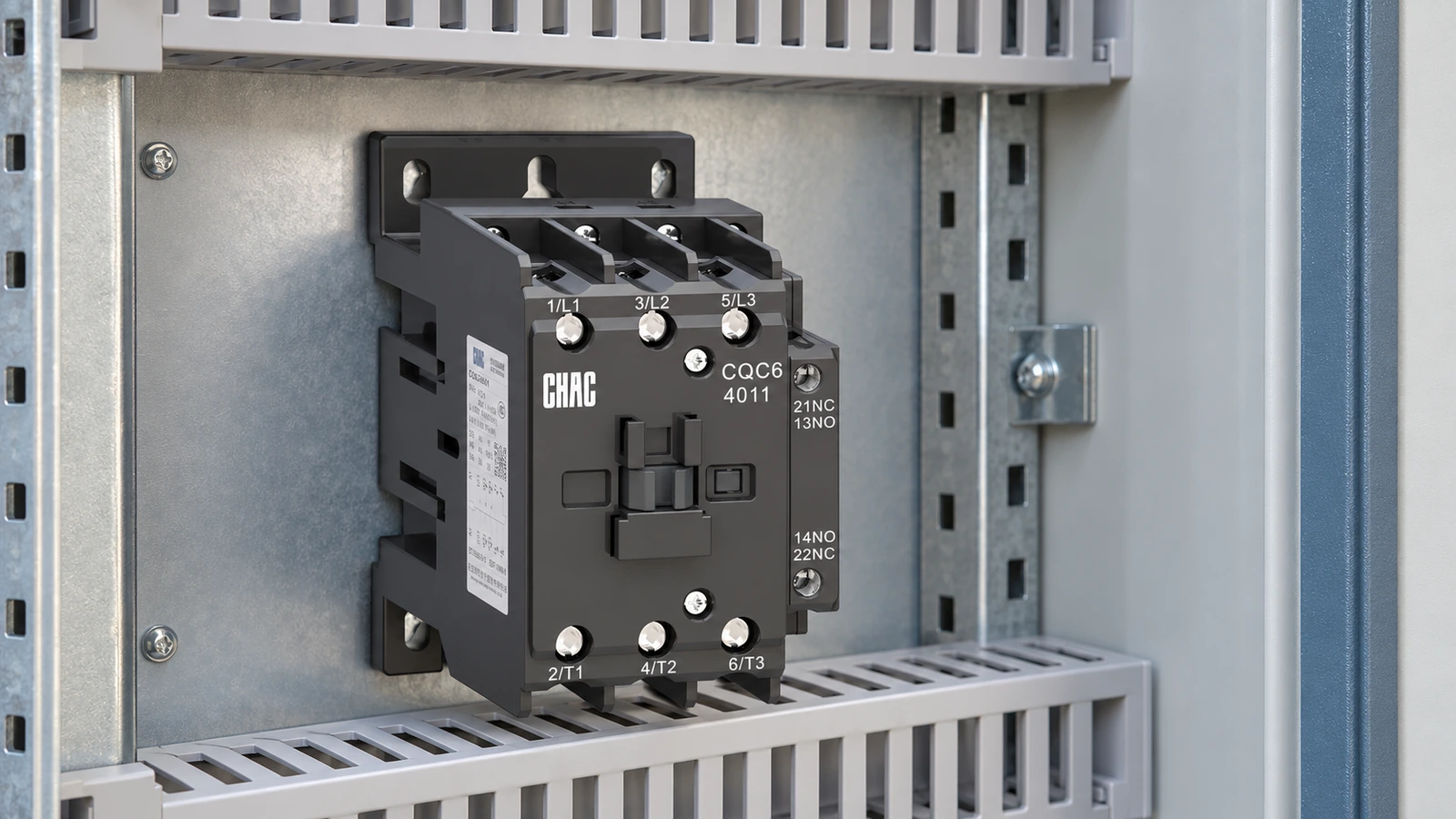
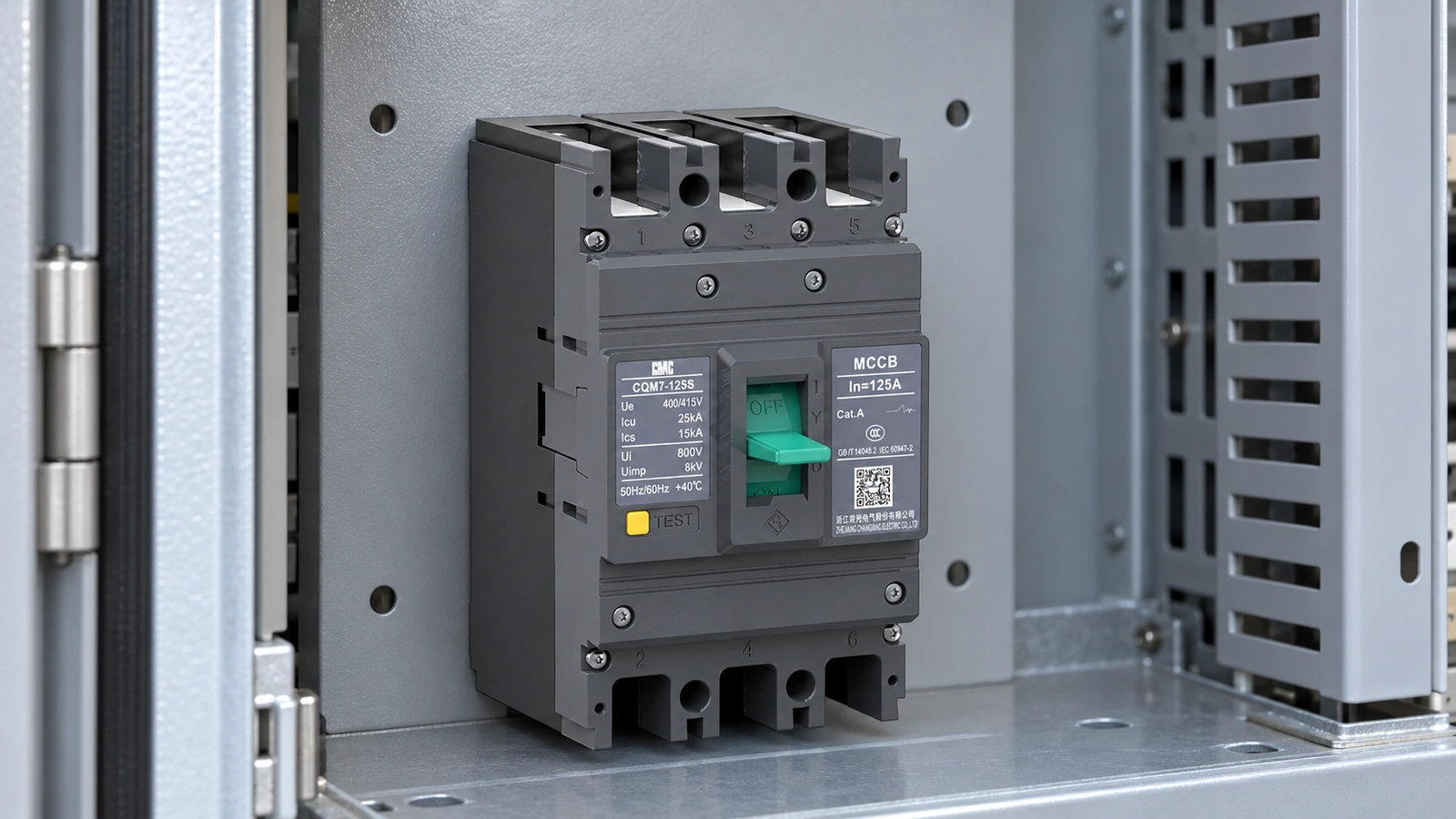
A contactor provides routine switching; overload protection responds to motor overload conditions; short-circuit protection interrupts faults within its declared duty. The complete selection must identify which device provides each function. A contactor alone is not a substitute for either protective role.
IEC 60947-4-1 includes coordination concepts for starters and their associated short-circuit protective devices. Type 1 and Type 2 coordination describe different permitted outcomes under the specified test conditions. Neither should be claimed for a random combination of individually rated components.
An MCC starter schedule should include motor data, starting duty, control voltage, protection and the exact coordinated combination. Confirm the tested supply voltage and prospective fault current. Do not replace a device within the combination solely because its nominal current matches.
Maintenance and process recovery affect the buying decision
Fixed and withdrawable arrangements have different access and replacement characteristics. Compare the required isolation, interlocks and maintenance procedure rather than assuming a withdrawable unit permits work in any state. OSHA electrical safe-work principles still apply.
Specify how the plant will recover after a fault or loss of control power. Local-reset requirements, restart prevention and process permissives may be essential. A spare contactor does not solve a missing control program, unavailable drive settings or an undocumented interlock.
A less obvious cost is the time needed to identify and replace the correct unit. Consistent labeling, terminal schedules, firmware or setting records and approved spares can reduce confusion. Ask suppliers to separate documentation, commissioning and spare-unit scope in the quotation.
Compare the selection criteria
| Element | Main function | Additional verification |
|---|---|---|
| Kontaktor | Routine motor switching | Utilization duty and coil supply |
| Overload relay or motor protection | Overload response | Setting range and motor characteristics |
| Urządzenie zabezpieczające przed zwarciem | Fault interruption | Fault rating and coordination |
| VFD or soft starter | Controlled starting or speed behavior | Motor, EMC, cooling and system requirements |
Check the conditions that change the selection
| Procurement item | Question to settle | Required record |
|---|---|---|
| Assembly fault rating | What fault level applies at the MCC? | Assembly verification and supply conditions |
| Control interface | Which commands and feedback are needed? | Approved I/O and cause-and-effect schedule |
| Działanie konserwacyjne | How is a unit safely isolated and replaced? | Interlock and operating procedure |
| Rozbudowa | What future circuits are actually planned? | Space, bus and thermal design allowances |
Apply the correct standards and approval scope
IEC 61439 addresses low-voltage assemblies, while IEC 60947-2 and IEC 60947-4-1 address relevant component functions. North American MCC requirements can involve UL 845 and other applicable rules. A component certificate does not certify the complete MCC, and the selected destination standards must be agreed before manufacture.
What to confirm before placing an order
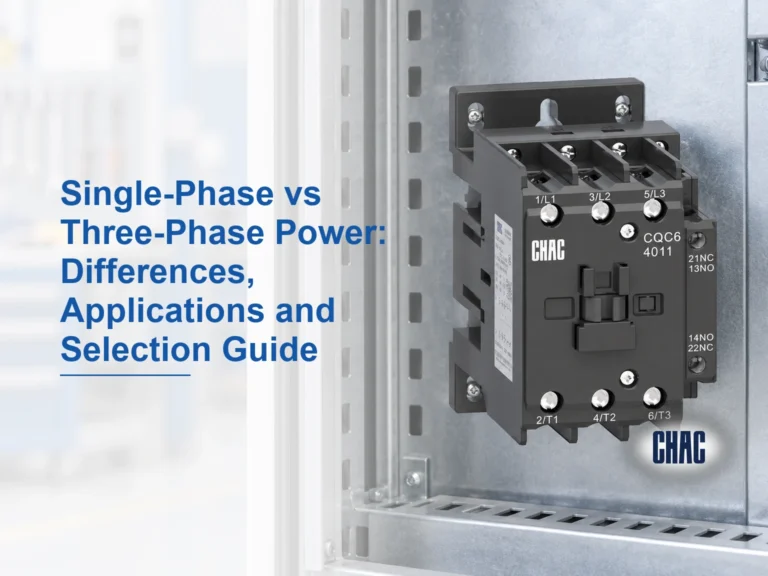
CHAC Kontaktory AC i thermal overload relays are component starting points for a coordinated starter discussion. Confirm exact pairings and fault-protection evidence. For motor circuit protection, send the motor schedule, supply data, starting method and required coordination outcome with the inquiry.
For related selection details, read the guide to MCC contactor selection.
Często zadawane pytania
What does a motor control center do?
It groups the power distribution, switching, protection and control of motor circuits in a coordinated assembly. The exact functions depend on the plant and starter types.
How much does a motor control center cost?
Cost depends on circuit count, current and fault ratings, construction, starter types, controls and verification scope. Compare a common specification and separate commissioning and spares.
What is the difference between a VFD and an MCC?
A VFD controls a motor’s supply frequency and voltage for its intended control function. An MCC is an assembly that can include VFDs and other motor starters.
What does a motor control do?
It starts, stops or regulates a motor according to the application. Protection, isolation and safety-related control require their own specified functions.
What does an MCC do in a control circuit?
It connects process commands and feedback to the relevant motor feeders. The interface can include local controls, remote signals and communications, depending on the design.
How is a motor control center different from a relay?
A relay is an individual component. An MCC is a complete assembly containing multiple functional units, distribution paths and associated controls.
Przypisy
- IEC standards catalogue — IEC 60947-4-1 contactors and motor-starters
- IEC standards catalogue — IEC 61439 low-voltage assemblies
- OSHA 1910.333 — selection and use of electrical work practices
For model-specific selection, review the CHAC product details and send the application conditions, quantity and destination requirements through the contact page.