Прибор мощностью 1,500 Вт может показаться подходящим для цепи класса 15, поскольку его мощность ниже привычной величины в 1,800 Вт. Однако такое сравнение неполно: при напряжении 120 В и коэффициенте мощности, равном единице, он потребляет ток 12.5 А, а расчет по длительной нагрузке может дать результат, отличный от расчета по кратковременной нагрузке. Электронные драйверы и двигатели также требуют данных о токе и пусковых характеристиках, а не только информации на этикетке о мощности в ваттах. Прежде чем добавлять оборудование, необходимо установить, какое напряжение фактически поступает к нагрузке, какие ещё устройства подключены к этой цепи, как долго сохраняется максимальный ток и поддерживают ли проводка и оборудование такой режим работы.
Короткий ответ: 120 V × 15 A равно 1,800 VA, тогда как 230 V × 15 A равно 3,450 VA. Эти значения выражают мощность в ваттах только при коэффициенте мощности, равном единице. Для полностью непрерывной нагрузки при обычном для США методе расчёта с запасом 125% получается 15 A / 1.25, что даёт 12 A или 1,440 W при напряжении 120 V и коэффициенте мощности, равном единице. Ни одна из этих величин не является универсальной полезной мощностью. Перед тем как определить, какую нагрузку может обеспечить цепь, убедитесь в соответствии принятым правилам монтажа, завершённой сборке оборудования, состоянии проводников, наличии других нагрузок и соблюдении инструкций производителя.
Фраза Ограничение по мощности усилителя 15 Звучит как вопрос, требующий одного числового ответа, но одни амперы не определяют мощность. Ватты измеряют активную мощность, тогда как среднеквадратичные значения напряжения и тока определяют полную мощность в однофазной цепи переменного тока. Поэтому правильный ответ следует начинать с фактического напряжения питания, после чего необходимо учитывать характер работы подключённого оборудования.
Как напряжение влияет на доступную мощность в цепи усилителя 15?
Для постоянного тока используется формула P = V × I. Для однофазного переменного тока полная мощность равна S = VСреднеквадратичное значение × ЯСреднеквадратичное значение, выраженная в вольт-амперах (ВА), а активная мощность равна P = S × PF и выражается в ваттах. Умножение 120 В на 15 А даёт 1,800 ВА; умножение 230 В на 15 А даёт 3,450 ВА. Для нагрузки с единичным коэффициентом мощности соответствующие значения активной мощности составляют 1,800 Вт и 3,450 Вт. Эти расчёты не отменяют ограничений по допустимому току проводников, указаний по автоматическим выключателям, правил учёта продолжительности нагрузки или строительного кодекса, принятого в месте проведения проекта.
Пример с напряжением 120 относится к цепи, фактически питающейся от напряжения 120. Расчёт при напряжении 230 применим только в том случае, если оборудование рассчитано на это напряжение и подходит для него. Проектировщикам не следует переносить допущения, принятые для бытовых цепей США, в установку, соответствующую стандартам IEC: номиналы защитных устройств, правила прокладки проводов, требования к отключению и национальные нормативы различаются. Следует убедиться как в схеме питания, так и в разрешённой на местном уровне конструкции цепи, а не просто преобразовывать значение мощности в ваттах.
Для оборудования переменного тока с коэффициентом мощности ниже 1.0 нагрузка, потребляющая 10 А при напряжении 120 В и истинном коэффициенте мощности 0.80, использует 960 Вт и 1,200 ВА. Цепь и автоматический выключатель по-прежнему пропускают 10 А. Это различие имеет значение для двигателей, магнитного оборудования, драйверов светодиодов и импульсных источников питания: одних только реальных ватт недостаточно для определения среднеквадратичного тока, который должны выдерживать проводка и клеммы.
| Иллюстративный однофазный сценарий | Расчет | Результат | Что означает результат |
|---|---|---|---|
| 120 V в 15 A | 120 × 15 | 1,800 ВА | Равно 1,800 Вт только при коэффициенте мощности, равном единице; не является рекомендацией для круглосуточной нагрузки. |
| 120 V полностью непрерывная, нагрузка с единичным коэффициентом мощности, где применяется обычный размер 125% | 15 / 1.25 = 12 A; 120 × 12 | 1,440 W | Условная плановая величина, подчиняющаяся принятым правилам и условиям оборудования. |
| 230 V в 15 A | 230 × 15 | 3,450 ВА | Равно 3,450 Вт только при коэффициенте мощности, равном единице; по-прежнему действуют национальные правила монтажа. |
| 120 V в 10 A и истинный PF 0.80 | 120 × 10 × 0.80 | 960 W; 1,200 VA | The circuit carries 10 A despite the lower real-power reading. |
Does a 120/240 V breaker marking mean the outlet supplies 240 V?
No. A device voltage rating is not a measurement of the connected supply. UL Solutions’ Руководство по применению панельного щитка explains that panelboard voltage markings identify suitability for specified supply systems. Schneider Electric’s Основные характеристики переключателя separately identifies rated operational voltage and rated current. Read the circuit arrangement and equipment nameplate; have a qualified person verify the supply when it is uncertain. A 120 V appliance does not become a 240 V appliance because the panel includes a higher voltage marking.
When does the 1,440 watt continuous-load figure apply?
Шнайдер Электрик NEC Information of Note, within its Conductor Ampacity Tables Data Bulletin based on the 2017 NEC, quotes Section 210.20(A): branch-circuit overcurrent protection must be rated at least the noncontinuous load plus 125% of the continuous load. This historical reference explains the calculation; it does not establish the code edition or amendments governing a project in 2026. Determine continuous-load classification under the adopted rules, including whether maximum current is expected to persist for three hours or more.
For an entirely continuous load under that 125% treatment, 15 A / 1.25 = 12 A. At 120 V and unity power factor, 12 A equals 1,440 W. This is the origin of the familiar “80% rule,” because 12 A is 80% of 15 A. It is convenient shorthand, not a statement that every 15 A circuit is always limited to 12 A.
The same 2017-based bulletin quotes an exception where the assembly, including the protective devices, is listed for operation at 100% of its rating. UL’s Panelboard Application Guide also makes its continuous-loading guidance conditional on the assembly’s markings. A breaker carrying a 15 A label is not, by itself, evidence that this exception applies. Verify the complete assembly, installation conditions, manufacturer instructions, adopted edition, and authority having jurisdiction; do not infer a 100%-rated assembly from a product family name.
A mixed continuous load calculation should separate the two load portions instead of applying 80% to everything. Using the historical 125% relationship illustratively, an 8 A continuous load plus a 3 A noncontinuous load gives (8 × 1.25) + 3 = 13 A. A 10 A continuous load plus a 3 A noncontinuous load gives 15.5 A, even though its operating-current total is only 13 A. The second schedule exceeds a 15 A result under this method and calls for load reduction, circuit separation, or a coordinated redesign. Passing this arithmetic test does not complete conductor or equipment selection.
Load diversity also needs careful language. Two devices may rarely operate together, but that expectation does not automatically excuse a branch circuit from carrying a combination that can occur. Use a demand factor only when the governing calculation method permits it and the operating sequence is documented. For production equipment, documented controls that prevent simultaneous operation can be more defensible than an informal expectation that operators will stagger the loads.
What can reduce the circuit’s usable capacity?
How does voltage drop affect the load?
Longer conductors, smaller cross-sections, and higher current can increase voltage drop. Excessive resistance at a poor connection can also produce localized heating and voltage loss; it is a defect to investigate, not a condition to accept by lowering a spreadsheet watt limit. Equipment performance and any applicable voltage-drop requirements must be checked for the actual installation.
A falling voltage does not affect every load in the same way. A simple resistive heater produces less power, while a regulated electronic load may draw more current as it tries to maintain output. A qualified person can assess voltage at the utilization point during representative loading and calculate drop using the actual conductor material, length, size, and operating current. Voltage-drop assessment never replaces ampacity and termination checks.
Why can motors and electronics trip the breaker at startup?
Motors can draw substantial current while accelerating, and transformers or power supplies can create brief magnetizing or capacitor-charging inrush. A steady-state wattmeter reading can miss those events. Review manufacturer starting-current information, then compare current and duration with the protective device’s time-current characteristic and load-specific installation provisions. Choosing a larger breaker without reviewing the conductor and equipment path can remove needed protection.
Why can wattage alone understate current?
LED drivers, computer supplies, and variable-speed electronics may draw current in narrow pulses rather than as a smooth sine wave. Their true power factor includes phase displacement and waveform distortion, so dividing watts by nominal voltage can underestimate RMS current. Use manufacturer input-current data or suitable measurements of voltage, RMS current, real power, apparent power, and true power factor under representative operating conditions.
Several small electronic loads can also start together after a control signal or power restoration. Their nameplate wattages may fit comfortably below 1,800 W while coincident inrush challenges the breaker characteristic. For a lighting schedule, record driver input current and the number of units that can energize together. Dimming systems, emergency drivers, and networked controls should be included where their manufacturer data show an additional load or changed startup profile.
Do more outlets or an extension cord add capacity?
Adding outlets does not add watts. Every receptacle on one 15 A branch circuit shares its current capacity, and a duplex receptacle provides two connection points rather than two independent 15 A supplies. Outlet count is not a measurement of spare capacity. Connected loads, possible simultaneous operation, circuit rating, and applicable calculation rules determine suitability.
An extension cord or power strip introduces another component to check, not another supply. Read its own voltage, current, permitted-use, and operating-condition markings together with the appliance instructions. A lower-rated cord does not acquire a 15 A rating because it is plugged into a 15 A branch circuit. Length, conductor construction, connector condition, environment, and any reel instructions can affect suitability; the branch-circuit watt calculation alone cannot approve it. Do not select a flexible cord from a fixed-wiring ampacity table or substitute an approximate AWG-to-mm² conversion for its documented rating.
The same capacity distinction applies at the panel. An unused breaker position only indicates physical space; it does not prove spare service, feeder, bus, or fault-current capacity. Projects adding circuits should review the panel schedule and documented load calculation. These идеи по модернизации электрического щита explain how spare ways and load management fit into the broader plan.
How should the circuit be checked before adding equipment?
Start with evidence from both circuit and load. Record nominal and minimum operating voltage, maximum steady current, real watts, apparent power, power factor, duty duration, and available startup-current data. Separate continuous from noncontinuous loads and identify combinations that can run together. Nameplate current and manufacturer data usually tell a more useful sizing story than marketing wattage alone.
Next, have the complete current path assessed: conductor material and size, insulation, wiring method, ambient temperature, bundling, splices, receptacles, terminal ratings, breaker type, and panel labeling. The 2017-based Schneider bulletin distinguishes conductor overcurrent protection from the treatment of flexible cords and identifies correction factors for small conductors. UL’s Panelboard Application Guide explains that equipment markings specify conductor material, sizes, and temperature ratings. No single wire-gauge association establishes suitability in every installation, and a similar metric cross-section is not automatic permission to substitute a different conductor.
Автоматический выключатель должен соответствовать конкретной распределительной панели и электрической цепи. Физическое соответствие по размерам и одинаковое номинальное значение тока не гарантируют совместимости. Необходимо проверить напряжение, количество полюсов, частоту, предельный ток отключения, характеристику срабатывания, диапазон сечений подключаемых проводников, маркировку на панели и инструкции производителя. В руководстве UL описаны устройства, устанавливаемые на месте эксплуатации и предназначенные для конкретных распределительных панелей, а также ограниченные варианты замены, допускаемые в определённых условиях; эти условия нельзя распространять на любой автоматический выключатель, который по габаритам подходит к панели.
| Проверка емкости | Доказательства для сбора | Решение, которое оно поддерживает |
|---|---|---|
| Система напряжения | Схема питания, шильдик оборудования и напряжение под нагрузкой | Устанавливает правильный расчёт VA/W и определяет падение напряжения. |
| Профиль нагрузки | Среднеквадратичное значение тока, продолжительность, одновременность, бросок тока, ватты, вольт-амперы и коэффициент мощности | Разделяет длительную нагрузку от кратковременных пусковых событий. |
| Полный маршрут проводки | Материал и сечение проводника, изоляция, длина, окружающая среда, наконечники, розетки и любые номинальные характеристики шнура | Определяет допустимый ток, ограничения по подключению и ограничения на аксессуары. |
| Защита и панель | Тип автоматического выключателя, его характеристика, напряжение, количество полюсов, отключающая способность и утверждённая схема распределительного щита | Предотвращает ошибки, связанные с неподдерживаемыми заменами и координацией. |
| Правила проекта | Рынок назначения, принятый код, инструкции по оборудованию и требуемые документы о соответствии | Определяет, какие расчёты и доказательства продукта применяются. |
Правила монтажа и технические характеристики изделия отвечают на разные вопросы. Принятый кодекс по монтажу регулирует проектирование цепи; документация устройства устанавливает условия эксплуатации продукта. Руководство Шнайдер по автоматическим выключателям различает номинальный ток, рабочее напряжение, пороги срабатывания и отключающую способность при коротком замыкании. Таким образом, номинальный ток 15 не определяет предельную мощность в ваттах, способность отключения при любой величине напряжения или пригодность для конкретного распределительного щита.
Недостаточный выбор сечения проводников может привести к ложным срабатываниям, задержкам в пусконаладочных работах и необходимости повторных выездов сервисной службы. Завышение сечения также не является решением проблемы, поскольку проводники, клеммы, розетки и подключённое оборудование могут перестать быть надлежащим образом защищёнными. При оценке целесообразности следует сравнивать затраты на измерения и разделение цепей с возможными последствиями простоев, поиска неисправностей и переделок, а не ограничиваться лишь стоимостью приобретения защитного устройства.
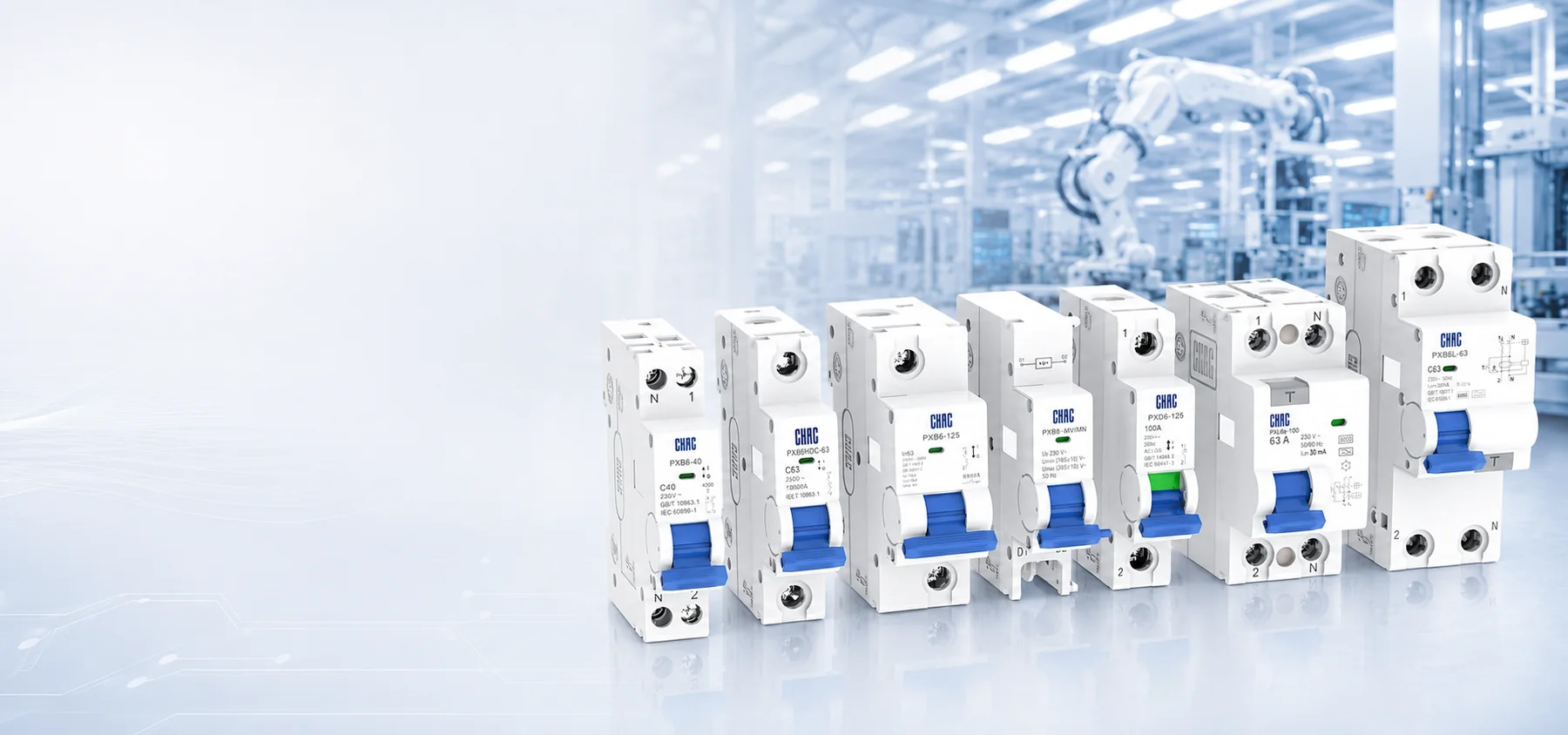
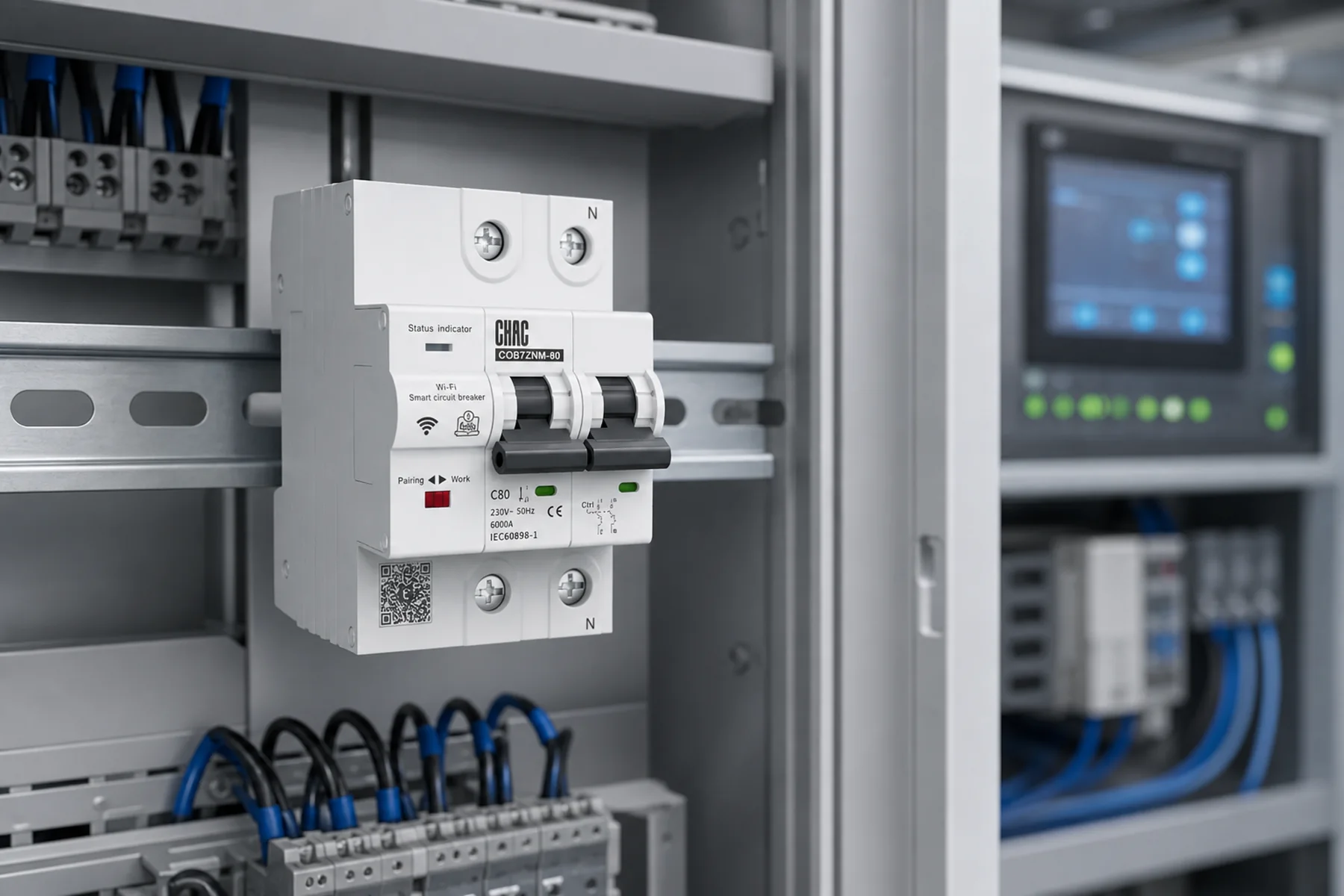
Для оценки продукции, ориентированной на IEC, покупатели, рассматривающие CHAC автоматический выключатель миниатюрный Следует получить точные типовые характеристики и данные, подтверждающие соответствие целевому рынку. Данный общий расчёт нагрузки не служит основанием для сертификации изделия CHAC и не даёт разрешения на использование устройства CHAC в качестве замены в панелях, являющихся собственностью США. Сохраняйте утверждённую редакцию технического паспорта, график нагрузок, сведения о панели, результаты измерений и окончательный расчёт в составе проектной документации.
Что ещё следует проверить в отношении мощности усилительной схемы 15?
How many watts can a 15 amp circuit handle at 120 volts?
120 V × 15 A equals 1,800 VA, or 1,800 W at unity power factor. For an entirely continuous unity-PF load where the usual 125% sizing treatment applies, the corresponding planning value is 12 A or 1,440 W. Other loads, startup current, conductor conditions, and adopted rules still require review.
How many watts can a 15 amp circuit handle at 230 volts?
230 V × 15 A equals 3,450 VA, or 3,450 W at unity power factor. Do not automatically apply US continuous-loading assumptions to a 230 V installation. Use the actual supply voltage, equipment ratings, and national installation rules.
Can a 15 amp circuit run 1,500 watts continuously?
At 120 V and unity power factor, 1,500 W draws 12.5 A. Under the usual 125% sizing treatment, an entirely continuous 12.5 A load requires a 15.625 A result, which exceeds 15 A. Confirm the load classification and any documented assembly exception under the adopted rules rather than assuming the exception applies.
Does installing more outlets increase the available wattage?
No. Outlets on the same branch circuit share its current capacity, so more connection points do not create more power. Evaluate connected loads and simultaneous operation; a properly designed additional circuit may be needed when the existing one cannot support the requirement.
Should a tripping 15 amp breaker be replaced with a 20 amp breaker?
Not unless a qualified review confirms that the entire circuit, panel, and connected equipment are suitable for the higher rating. A trip may indicate overload, inrush, a fault, or a device problem. Use a structured Исправление проблем с выключателем process before changing the specification.
Is 15 A at 240 V equal to 3,600 W?
240 V × 15 A equals 3,600 VA and equals 3,600 W at unity power factor. That calculation requires an actual 240 V supply to suitable equipment; a panel or breaker voltage marking alone does not establish it. Pole arrangement, wiring, load duration, and applicable rules still control usability.
How many LED lights fit on a 15 A circuit?
There is no universal fixture count. Add the manufacturer’s input-current values, include other circuit loads, and evaluate operating duration, controls, and coincident inrush. Dividing a watt allowance by luminaire wattage alone can miss these constraints.
Can a 15 A extension cord carry the circuit’s full calculated wattage?
The cord’s ampere marking alone does not approve the application. Check its voltage, permitted-use and operating-condition instructions, connector ratings, appliance instructions, and any other loads on the branch circuit. The circuit calculation cannot override a lower component rating or a restriction on cord use.
Which references explain the calculation and its limits?
- NEC Information of Note, Schneider Electric, Conductor Ampacity Tables Data Bulletin based on the 2017 NEC. Historical continuous/noncontinuous sizing relationship and listed 100%-rated assembly exception; not evidence of current local adoption.
- Руководство по применению панельного щитка, UL Solutions, accessed October 7, 2026. Panel voltage/current markings, conductor and terminal conditions, and field-installed equipment limitations.
- Основные характеристики переключателя, Schneider Electric Electrical Installation Guide, last edited August 5, 2026. Rated operational voltage, current, trip settings, and breaking capacity; manufacturer examples do not establish CHAC model ratings.
The dependable answer is not a watt number by itself. Establish actual voltage and load current first, distinguish real watts from apparent power, then apply the correct duration-based calculation and verify the complete wiring and equipment path. Do not skip panel compatibility or component instructions because an arithmetic total appears acceptable. For a model-specific product review, explore CHAC Electric’s электрораспределительное оборудование with the load schedule, supply arrangement, destination market, and required documentation in hand.
Для получения дополнительной информации по соответствующей категории материалов см. How Many Watts Can a.