Consider a hypothetical homeowner’s electrician in Boston investigating repeated trips after an appliance is added. Replacing the protective device with a conventional breaker would hide the symptom without identifying the cause. The right next step is to interpret the trip indication and investigate the circuit.
Tóm tắt: An arc-fault detection breaker identifies electrical patterns associated with specified arcing faults and disconnects according to its design. AFCI protection, GFCI protection and ordinary overcurrent protection have different functions. UL 1699 addresses AFCIs, while IEC 62606 addresses AFDDs; applicability depends on the local installation rules and exact device approval.
Arc-fault detection adds a different protective function
An arc fault detection device evaluates electrical behavior associated with dangerous arcing under its specified test conditions. It is not a general promise to detect every electrical fire cause. A loose connection, damaged conductor and overload require appropriate investigation and protection rather than one universal explanation.
An AFCI is not the same as a conventional thermal-magnetic breaker. A device may combine arc-fault detection with overcurrent protection, while another arrangement may provide functions separately. Read the exact marking and instructions before deciding which functions are present.
UL 1699 and IEC 62606 concern different product frameworks and markets. Their names should not be used as interchangeable certification labels. Confirm the accepted product type and installation rule for the destination.
AFCI, GFCI and MCB protection address different conditions
A GFCI responds to a specified imbalance associated with current leaving the intended circuit path. An AFCI evaluates specified arcing signatures. An ordinary MCB responds to overload or short-circuit conditions within its characteristic. One function does not automatically include the other two.
Combination-type AFCI and dual-function AFCI/GFCI are not equivalent names. Combination-type relates to AFCI arc-detection coverage; dual-function identifies a product providing the stated arc-fault and ground-fault functions. Confirm the product marking rather than interpreting the word combination as GFCI inclusion.
An arc detector breaker must also match its panel and circuit arrangement. Neutral routing and shared-neutral circuits can be significant, but the approved instructions determine the permitted connection. A generic online wiring sketch is not evidence for an unidentified product.
Investigate a trip before replacing or bypassing protection
Read the manufacturer’s trip indication and preserve the sequence of events. Note which appliance was running, whether the trip occurs during starting or steady operation, and whether recent work changed the circuit. These observations help distinguish a circuit problem from an application or compatibility issue.
Do not repeatedly reset a device after signs of damage, burning or overheating. A qualified electrician should isolate and examine the circuit. Never defeat a required protective function merely because a standard breaker remains closed.
The device test button verifies the manufacturer-defined test function. It does not certify every downstream connection or prove that concealed wiring is undamaged. Follow the product’s test schedule and instructions, and document the device model and any corrective work.
Compare the selection criteria
| Function | Primary condition addressed | Important boundary |
|---|---|---|
| Ordinary MCB | Trục quá tải và ngắn mạch | No automatic arc-fault or personnel ground-fault function |
| GFCI or appropriate residual-current device | Specified residual-current condition | Not equivalent to all arc-fault detection |
| AFCI or AFDD | Specified arcing conditions | Coverage depends on type and standard |
| Dual-function product | Declared arc and ground-fault functions | Verify approval, panel and circuit suitability |
Check the conditions that change the selection
| Situation | Appropriate next check | Avoid |
|---|---|---|
| Repeated unexplained trips | Trip code and circuit investigation | Assuming nuisance without evidence |
| New or altered circuit | Adopted code and required protection | Using outdated generic location lists |
| Replacement breaker | Exact panel and classification documents | Choosing solely by physical fit |
| Different export market | Applicable AFCI or AFDD framework | Treating UL and IEC names as interchangeable |
Apply the correct standards and approval scope
NEC 210.12 sets AFCI installation requirements within the adopted edition; other countries apply their own rules for AFDDs. Product assessment under UL 1699 or IEC 62606 is separate from deciding where protection is required. No universal statement that AFDDs are mandatory everywhere is justified.
What to confirm before placing an order
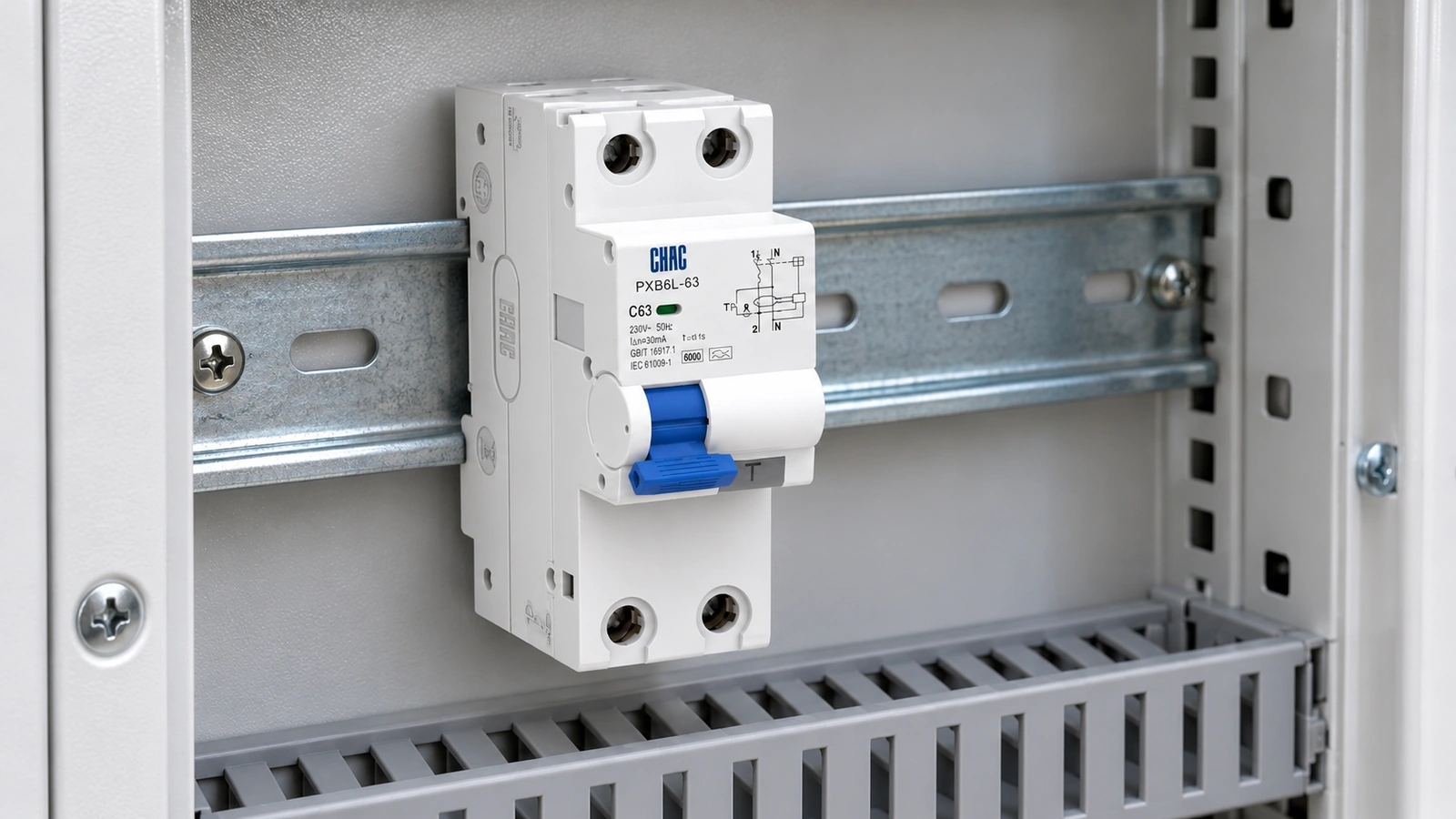
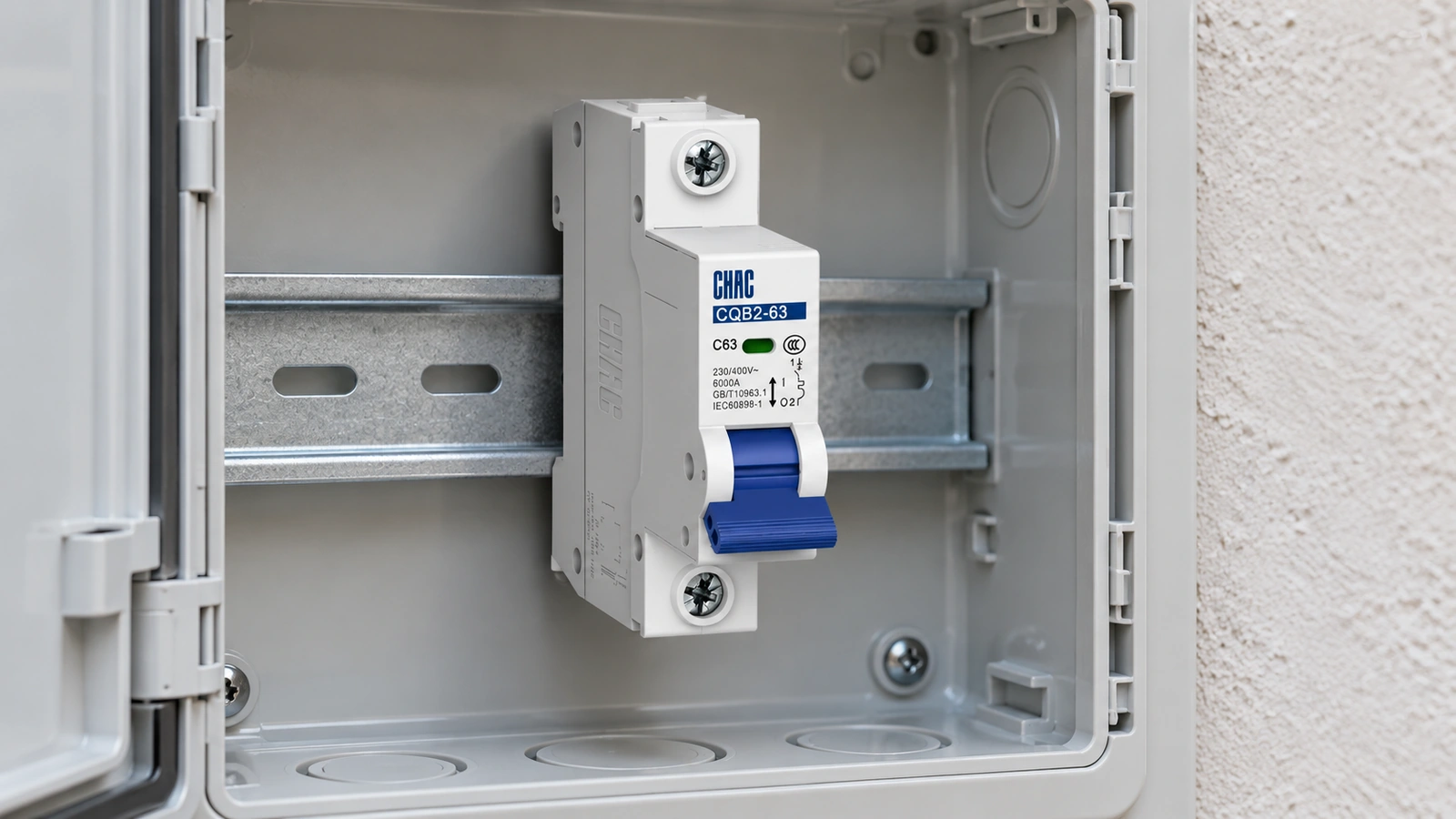
CHAC conventional MCBs và RCBO options should be discussed according to their documented functions. This article does not identify either as an AFCI or AFDD without model-specific evidence. Provide the required protection function, destination standard and panel arrangement before requesting a suitable component.
For related selection details, read the guide to GFCI protection.
Các câu hỏi thường gặp
How does AFCI detect arcing?
It evaluates electrical signatures associated with specified arcing conditions using the manufacturer’s detection design. The relevant product type and standard define the tested coverage.
Are AFDDs mandatory?
Requirements depend on country, adopted rules, building use and circuit type. Check the applicable installation requirements instead of treating a general product guide as the law.
Does an AFCI protect against arc flash?
It should not be treated as an arc-flash safety system. Arc flash assessment, equipment selection and safe-work practices are separate matters.
What is the difference between series and parallel arcing?
Series arcing occurs along a current path, while parallel arcing occurs between conductors or to another conductive path. Detection coverage depends on the product type and its assessed function.
What is arc-fault detection and how does it work?
It adds detection of specified arcing behavior and initiates disconnection according to the device design. It does not replace every other required protective function.
Where is AFCI protection required?
Use the adopted NEC edition and local amendments for a US installation. For an IEC-based market, check the local AFDD rules and approved product requirements.
Tham khảo
- CPSC — preventing home fires with arc-fault circuit interrupters
- UL Solutions — AFCI device testing and certification
- NFPA 70 — National Electrical Code
For model-specific selection, review the CHAC product details and send the application conditions, quantity and destination requirements through the contact page.