Consider a hypothetical homeowner’s electrician in Boston investigating repeated trips after an appliance is added. Replacing the protective device with a conventional breaker would hide the symptom without identifying the cause. The right next step is to interpret the trip indication and investigate the circuit.
Summary: An arc-fault detection breaker identifies electrical patterns associated with specified arcing faults and disconnects according to its design. AFCI protection, GFCI protection and ordinary overcurrent protection have different functions. UL 1699 addresses AFCIs, while IEC 62606 addresses AFDDs; applicability depends on the local installation rules and exact device approval.
What does arc detect mean in electrical protection?
Arc detect is a shortened way of referring to arc detection, but the equipment matters. In household circuit protection, an AFCI or AFDD looks for electrical signatures associated with hazardous arcing and disconnects the monitored circuit. This is different from detecting an internal arc in switchgear or detecting discharge during a factory insulation test.
- Household circuits: the IET explains AFDD waveform analysis; the device monitors the electrical behavior of the circuit.
- Switchgear: dedicated arc-fault systems coordinate detection with a protective action. For example, ABB’s UFES system combines arc detection relays with an arc-quenching device. It is a different application from a household AFCI.
- Insulation testing: Ikonix describes arc detection during a hipot test. A tester’s arc indication is not a substitute for an installed circuit-protection device.
The rest of this guide concerns AFCI and AFDD selection for building circuits. Specify that application when asking a supplier for an arc detector.
Arc-fault detection adds a different protective function
An arc fault detection device evaluates electrical behavior associated with dangerous arcing under its specified test conditions. It is not a general promise to detect every electrical fire cause. A loose connection, damaged conductor and overload require appropriate investigation and protection rather than one universal explanation.
An AFCI is not the same as a conventional thermal-magnetic breaker. A device may combine arc-fault detection with overcurrent protection, while another arrangement may provide functions separately. Read the exact marking and instructions before deciding which functions are present.
UL 1699 and IEC 62606 concern different product frameworks and markets. Their names should not be used as interchangeable certification labels. Confirm the accepted product type and installation rule for the destination.
Why can an arc fault occur without an overload?
A series arc can form across a break or poor connection along a conductor. The connected load limits the current, so the current may remain below an ordinary breaker’s overload or short-circuit trip threshold. A parallel arc crosses between separate conductive paths, such as line and neutral; its current depends on the fault path. These are reasons to consider arc detection separately from the circuit’s ampere rating.
The sensing function analyzes the waveform rather than simply waiting for current to exceed a single threshold. Detection and disconnection still depend on the device’s assessed fault coverage. Arc detection does not repair a damaged cable or prove that every loose connection will be detected.
AFCI, GFCI and MCB protection address different conditions
A GFCI responds to a specified imbalance associated with current leaving the intended circuit path. An AFCI evaluates specified arcing signatures. An ordinary MCB responds to overload or short-circuit conditions within its characteristic. One function does not automatically include the other two.
Combination-type AFCI and dual-function AFCI/GFCI are not equivalent names. Combination-type relates to AFCI arc-detection coverage; dual-function identifies a product providing the stated arc-fault and ground-fault functions. Confirm the product marking rather than interpreting the word combination as GFCI inclusion.
An arc detector breaker must also match its panel and circuit arrangement. Neutral routing and shared-neutral circuits can be significant, but the approved instructions determine the permitted connection. A generic online wiring sketch is not evidence for an unidentified product.
Investigate a trip before replacing or bypassing protection
Read the manufacturer’s trip indication and preserve the sequence of events. Note which appliance was running, whether the trip occurs during starting or steady operation, and whether recent work changed the circuit. These observations help distinguish a circuit problem from an application or compatibility issue.
Do not repeatedly reset a device after signs of damage, burning or overheating. A qualified electrician should isolate and examine the circuit. Never defeat a required protective function merely because a standard breaker remains closed.
The device test button verifies the manufacturer-defined test function. It does not certify every downstream connection or prove that concealed wiring is undamaged. Follow the product’s test schedule and instructions, and document the device model and any corrective work.
Compare the selection criteria
| Function | Primary condition addressed | Important boundary |
|---|---|---|
| Ordinary MCB | Overload and short circuit | No automatic arc-fault or personnel ground-fault function |
| GFCI or appropriate residual-current device | Specified residual-current condition | Not equivalent to all arc-fault detection |
| AFCI or AFDD | Specified arcing conditions | Coverage depends on type and standard |
| Dual-function product | Declared arc and ground-fault functions | Verify approval, panel and circuit suitability |
Check the conditions that change the selection
| Situation | Appropriate next check | Avoid |
|---|---|---|
| Repeated unexplained trips | Trip code and circuit investigation | Assuming nuisance without evidence |
| New or altered circuit | Adopted code and required protection | Using outdated generic location lists |
| Replacement breaker | Exact panel and classification documents | Choosing solely by physical fit |
| Different export market | Applicable AFCI or AFDD framework | Treating UL and IEC names as interchangeable |
Apply the correct standards and approval scope
NEC 210.12 sets AFCI installation requirements within the adopted edition; other countries apply their own rules for AFDDs. Product assessment under UL 1699 or IEC 62606 is separate from deciding where protection is required. No universal statement that AFDDs are mandatory everywhere is justified.
What to confirm before placing an order
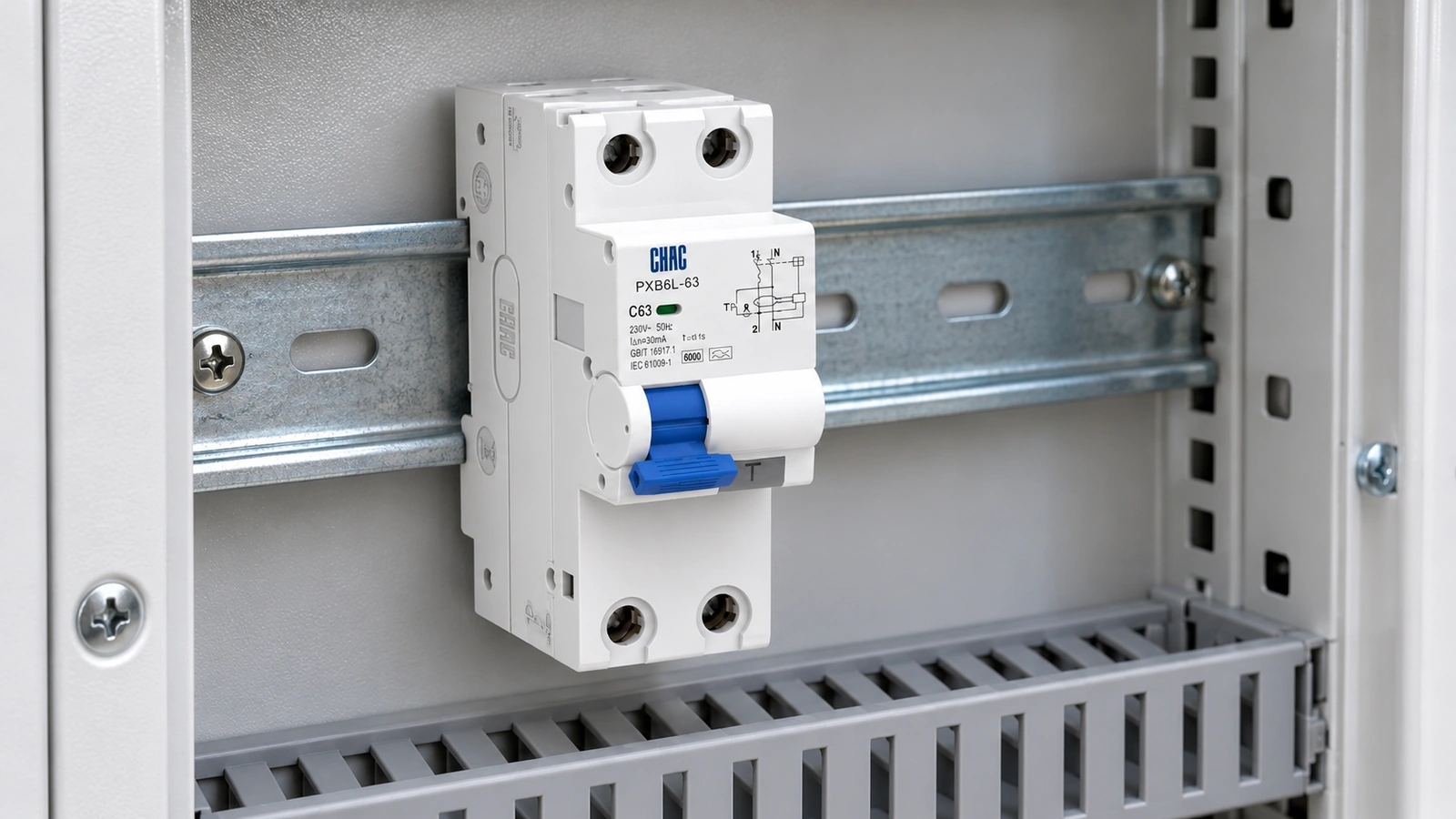
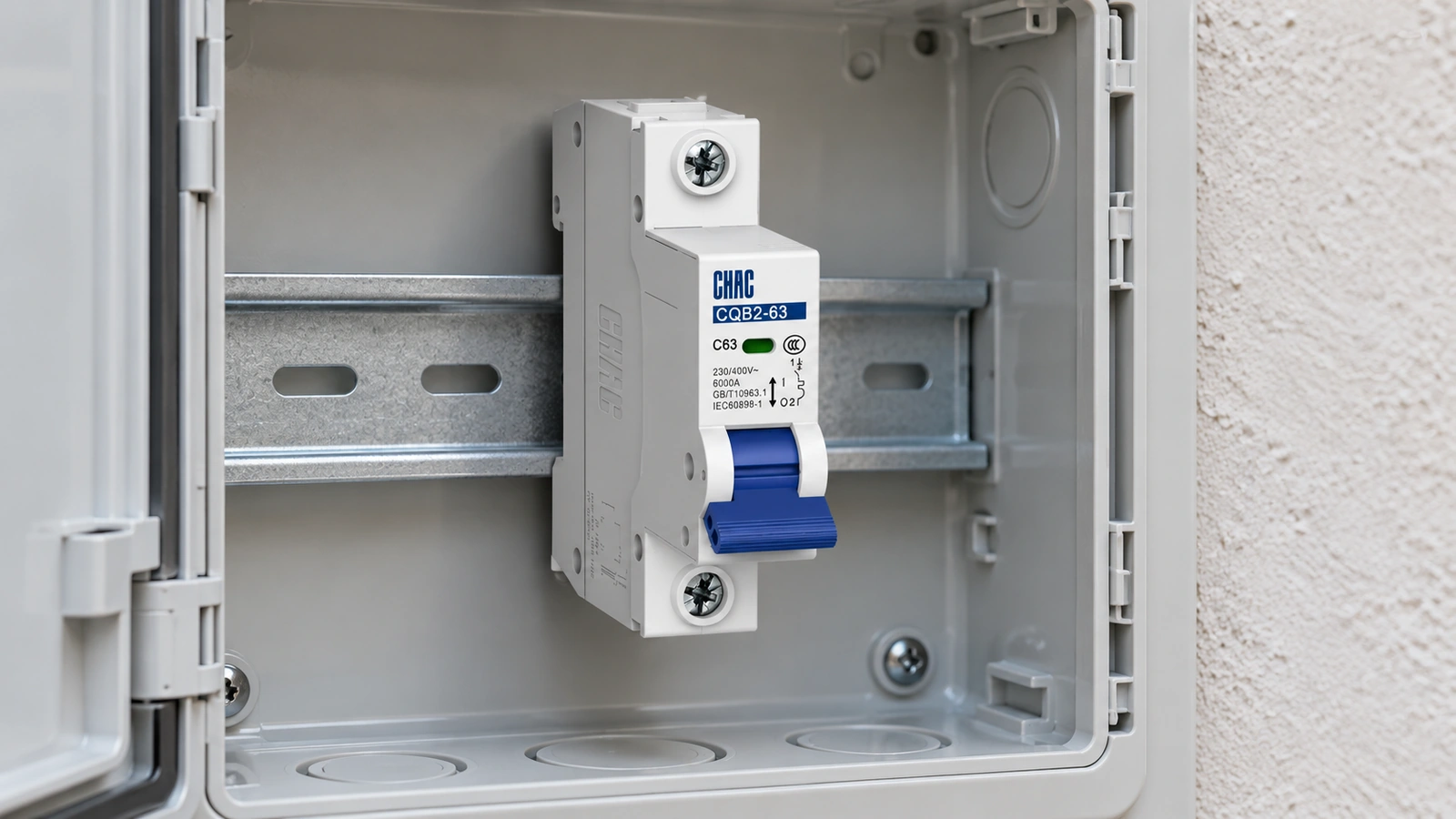
CHAC conventional MCBs and RCBO options should be discussed according to their documented functions. This article does not identify either as an AFCI or AFDD without model-specific evidence. Provide the required protection function, destination standard and panel arrangement before requesting a suitable component.
For related selection details, read the guide to GFCI protection.
Frequently asked questions
How does AFCI detect arcing?
It evaluates electrical signatures associated with specified arcing conditions using the manufacturer’s detection design. The relevant product type and standard define the tested coverage.
Are AFDDs mandatory?
Requirements depend on country, adopted rules, building use and circuit type. Check the applicable installation requirements instead of treating a general product guide as the law.
Does an AFCI protect against arc flash?
It should not be treated as an arc-flash safety system. Arc flash assessment, equipment selection and safe-work practices are separate matters.
What is the difference between series and parallel arcing?
Series arcing occurs along a current path, while parallel arcing occurs between conductors or to another conductive path. Detection coverage depends on the product type and its assessed function.
Can an MCB or RCBO replace an arc-fault detection device?
Not on the basis of its MCB or RCBO designation alone. An MCB provides overcurrent protection; an RCBO adds residual-current protection. Dedicated arc detection must be stated for the exact product. An AFDD combined with an RCBO can provide the declared functions together, but an ordinary RCBO should not be purchased as an equivalent.
Where is AFCI protection required?
Use the adopted NEC edition and local amendments for a US installation. For an IEC-based market, check the local AFDD rules and approved product requirements.
How should I test an arc-fault breaker?
Use the built-in test function at the interval and in the manner specified by its manufacturer. If the device does not respond as instructed, arrange inspection by a qualified electrician. Do not create sparks, loosen a terminal or damage a cable to test arc detection. A successful button test does not establish that every downstream connection is sound.
What affects the installed cost of AFCI or AFDD protection?
Compare the exact protective functions, panel compatibility and required installation work. A device-only price omits inspection, any necessary enclosure or connection changes, and commissioning. Ask for those items separately; an AFDD-only quotation and an AFDD/RCBO combination quotation may cover different functions.
References
- CPSC — preventing home fires with arc-fault circuit interrupters
- UL Solutions — AFCI device testing and certification
- NFPA 70 — National Electrical Code
For model-specific selection, review the CHAC product details and send the application conditions, quantity and destination requirements through the contact page.