Trong một buổi hội thảo giả định tại Birmingham, một kỹ sư bảo trì lắp đặt một thiết bị cắt có đặc tính dòng – thời gian kiểu D để ngăn mạch biến áp bị ngắt khi khởi động. Hiện tượng ngắt nhầm đã được khắc phục, nhưng qua rà soát thiết kế, người ta phát hiện rằng dòng ngắn mạch ở điểm cuối đường dây chưa từng được kiểm tra. Việc giải quyết vấn đề khởi động vẫn chưa hoàn tất quá trình thiết kế hệ thống bảo vệ.
Tóm tắt: Một bộ ngắt mạch loại D được xem xét cho các tải có dòng khởi động cao khi đặc tính thời gian-dòng điện đầy đủ của nó phù hợp với tải và hệ thống lắp đặt vẫn đáp ứng được các thời gian cắt lỗi yêu cầu. Các đường cong IEC 60898-1 thường được mô tả bằng dải từ tính 10–20 theo dòng định mức. Vui lòng xác nhận tiêu chuẩn sản phẩm thực tế và đường cong của nhà sản xuất; dải đó không phải là khả năng cắt của thiết bị.
Đường cong A D thay đổi phản ứng đối với dòng điện khởi động.
A Aptomat loại D kết hợp phản ứng nhiệt bị trì hoãn khi quá tải với phản ứng từ ở dòng điện cao hơn. Việc thay đổi ký tự sẽ làm thay đổi một đặc tính của phản ứng đó; điều này không cho phép cáp được bảo vệ mang dòng điện duy trì ở mức cao hơn.
Các máy biến áp, động cơ và một số bộ nguồn có thể tạo ra dòng điện khởi động đột biến trong thời gian ngắn. So sánh biên độ và thời gian của dòng điện đột biến này với đặc tính thời gian–dòng điện do nhà sản xuất quy định, đồng thời tính đến các sai lệch cho phép, tần suất khởi động và điều kiện môi trường xung quanh. Chỉ riêng danh mục phụ tải không đủ để khẳng định rằng thiết bị loại D là lựa chọn phù hợp.
Đối với các sản phẩm IEC 60898-1, các mô tả quen thuộc B, C và D thường sử dụng các dải từ tính tương ứng là 3–5, 5–10 và 10–20 lần dòng định mức. Các thiết bị công nghiệp được đánh giá theo IEC 60947-2 có thể có các đặc tính riêng theo từng model. Luôn sử dụng đường cong đã được công bố cho chính thiết bị ngắt mạch cụ thể, chứ không phải một sơ đồ chung trên internet.
Dòng điện sự cố vẫn phải đảm bảo ngắt mạch kịp thời.
Increasing the magnetic threshold can make fault disconnection harder on a circuit with significant impedance. The design needs both the maximum prospective fault current for breaking-duty assessment and the minimum relevant fault current for disconnection-time assessment. These are different ends of the same installation problem.
For an illustrative 16 A device, multiplying 16 by the upper D-band factor of 20 gives 320 A. This is an arithmetic illustration of a generic characteristic boundary, not a guaranteed trip time or an approval calculation. The full curve, tolerances and applicable disconnection requirements remain necessary.
A đường cong trượt should be reviewed together with conductor length, cross-section and the earthing arrangement. Do not convert a nuisance-tripping complaint into an unverified curve change. A qualified person should first exclude overload, damaged insulation, loose connections and an incorrect operating sequence.
Breaking capacity and coordination need separate checks
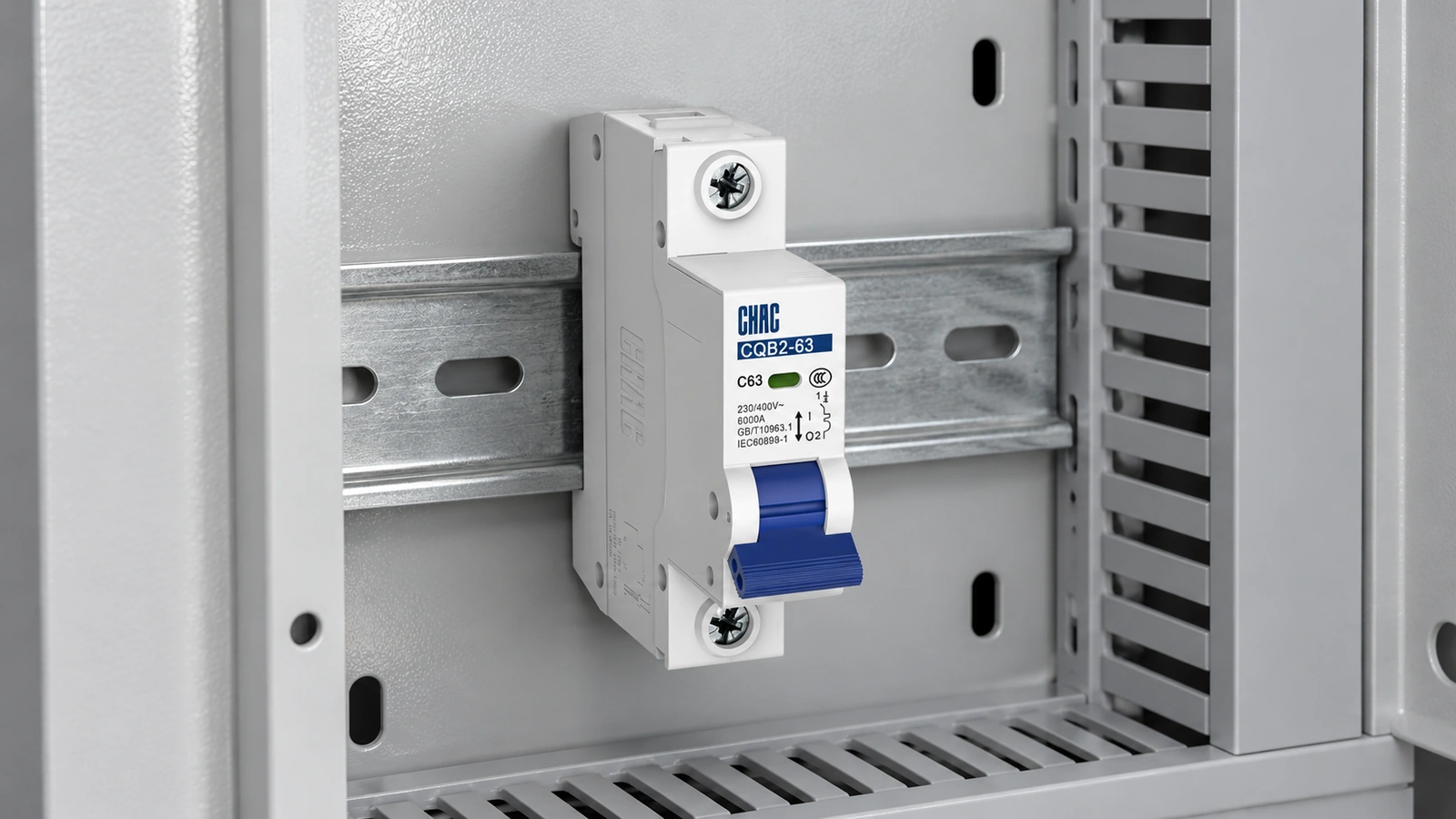
Breaking capacity states the fault duty a device can interrupt under specified conditions. It is independent of whether the breaker has a B, C or D characteristic. A higher magnetic threshold does not raise a 6 kA device’s declared fault-interruption rating.
Upstream and downstream protection also need coordination. Manufacturer-tested combinations can sometimes support backup protection or discrimination, but a common brand or matching letter does not establish either. Retain the exact coordination table and voltage conditions with the design.
The cost of changing a curve can include design review, fault-loop verification, labeling and replacement stock. An apparently cheap substitution becomes expensive if the installation must be retested or the intended upstream discrimination is lost. Compare the complete approved arrangement, not only the individual breaker.
So sánh các tiêu chí lựa chọn
| Đặc trưng | Common IEC 60898-1 magnetic band | Selection consideration |
|---|---|---|
| B | 3–5 × Trong | Lower inrush where suitable |
| C | 5–10 × Trong | Moderate inrush where suitable |
| D | 10–20 × Trong | Higher inrush with verified fault disconnection |
Kiểm tra các điều kiện thay đổi lựa chọn
| Load situation | Check before choosing D | Possible alternative to investigate |
|---|---|---|
| Transformer startup | Inrush duration and minimum fault current | Starting arrangement or a different verified device |
| Khởi động động cơ | Start time, repeated starts and overload protection | Coordinated motor starter |
| Long cable run | Fault-loop conditions and voltage drop | Conductor or circuit redesign |
| Những chuyến đi không rõ nguyên nhân nhiều lần | Actual trip cause and load records | Repair the underlying fault |
Áp dụng các tiêu chuẩn và phạm vi phê duyệt phù hợp
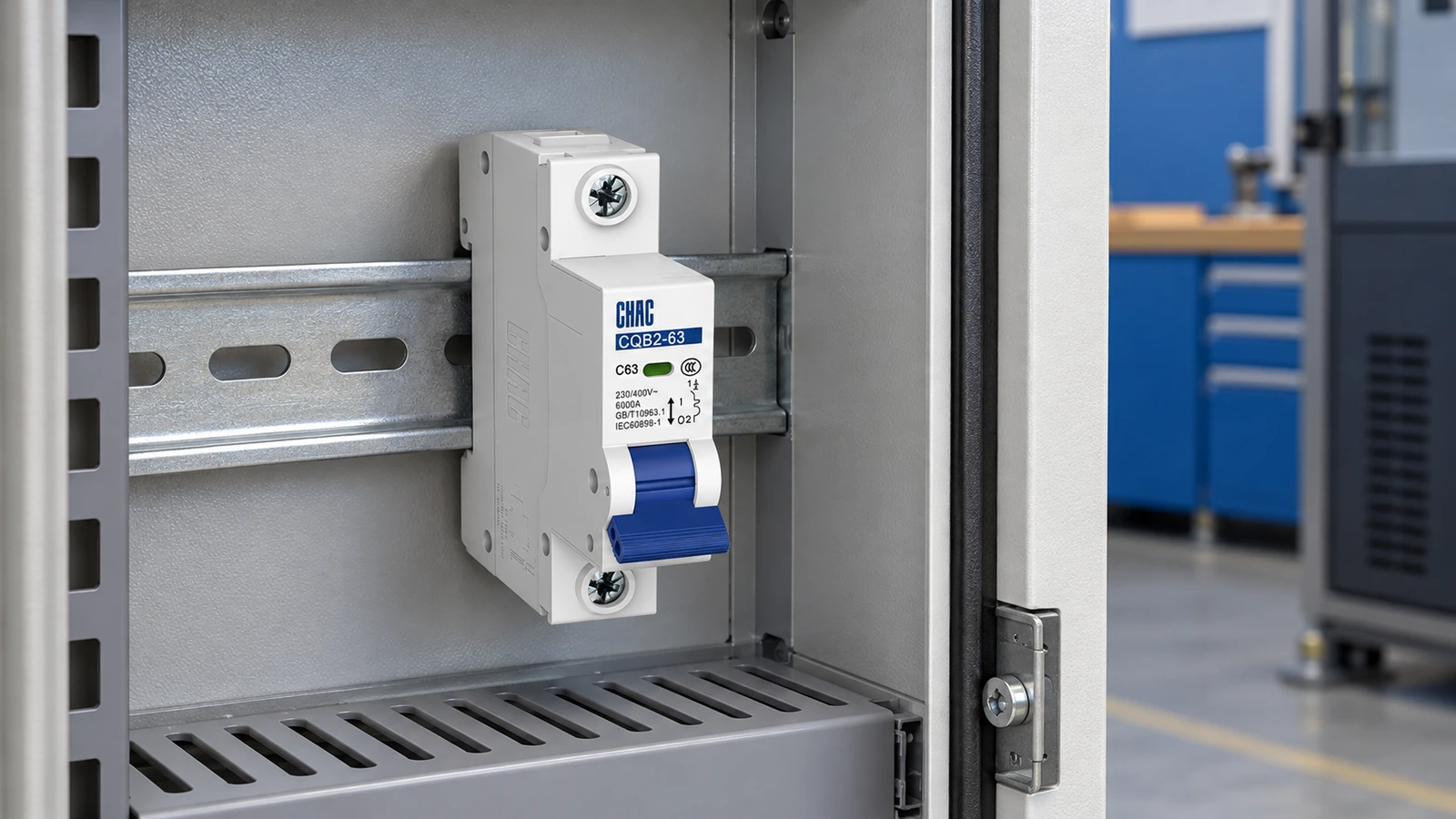
IEC 60898-1 covers certain AC circuit breakers for household and similar installations; IEC 60947-2 covers low-voltage circuit breakers for broader industrial use. The declared product standard, curve and voltage conditions must match the design. A D marking is not a destination-market approval or proof of interchangeability with another manufacturer’s panel.
Những điều cần xác nhận trước khi đặt hàng
Ask CHAC to confirm the exact curve, pole configuration and documents for the CQB2-125 cầu dao tự động loại nhỏ before selecting a variant. Review Các lựa chọn của MCB against the load profile and short-circuit breaking capacity, then provide the project fault level and required coordination. Avoid requesting a D curve solely because the existing circuit trips.
Để biết thêm chi tiết về lựa chọn, hãy đọc hướng dẫn kích thước và định mức của cầu dao.
Các câu hỏi thường gặp
What is the difference between Type C and Type D circuit breakers?
Their magnetic-trip bands differ. A D curve tolerates a higher short surge in the relevant characteristic range, but requires its own check of fault-disconnection performance.
What is the difference between B, C and D curve circuit breakers?
For common IEC 60898-1 curves the magnetic bands are 3–5, 5–10 and 10–20 times rated current. These do not replace the complete manufacturer time-current curves.
Are all Square D circuit breakers the same?
No. Square D is a brand name, while D curve describes a tripping characteristic. Panel family, ratings, poles and protective functions must all be checked.
What is a Type D MCB?
It is an MCB with the manufacturer’s declared D characteristic. Verify its governing standard and full curve rather than assuming every device uses identical thresholds.
What is a Type D circuit breaker used for?
It may suit loads with substantial starting current, such as certain transformers or motors. Application names alone do not establish suitability.
How does a Type D circuit breaker work?
Its thermal element responds to sustained overload and its magnetic element responds to high current. It does not automatically include motor overload, residual-current or arc-fault functions.
Tham khảo
- Schneider Electric — miniature circuit breakers and B, C and D tripping ranges
- Danh mục tiêu chuẩn IEC — tiêu chuẩn về cầu ngắt điện IEC 60898-1 và IEC 60947-2
- Đạo luật OSHA 1910.303 – Yêu cầu về thiết bị điện và lắp đặt
Để lựa chọn theo mẫu cụ thể, hãy xem lại Chi tiết sản phẩm CHAC và gửi các điều kiện đăng ký, số lượng và yêu cầu về điểm đến thông qua Trang liên hệ.