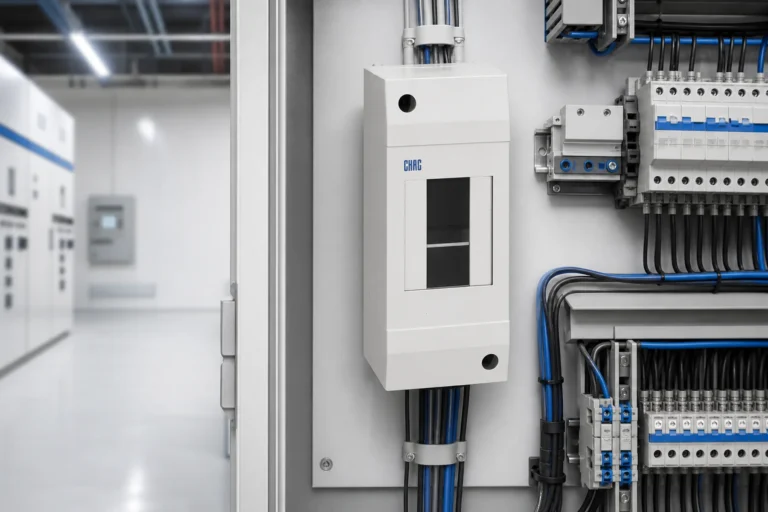
When Elena, a controls engineer in Monterrey, specified a compact junction box for a food-packaging line, she chose a non-metallic enclosure and moved the installation forward. During commissioning, the VFD signal became noisy, the cover bowed near a warm motor, and a cable gland loosened after repeated wash-downs. The quick fix was to replace the box, but the investigation found a specification problem: the design had ignored bonding, EMC, temperature, and entry loading. The right material was a system decision, not a simple product-quality verdict.
ملخص: A metal junction box is usually the safer starting point where bonding, shielding, impact, or heat dissipation matter; a properly selected plastic box can be the better answer for corrosion, weight, and electrical isolation. Confirm the installation environment, conductor volume, earthing method, and enclosure test evidence before ordering. NFPA 70 Article 314 governs many box and conductor-volume decisions in the United States, while IEC 60670-1 and IEC 60529 address enclosure and ingress expectations in IEC-based projects.
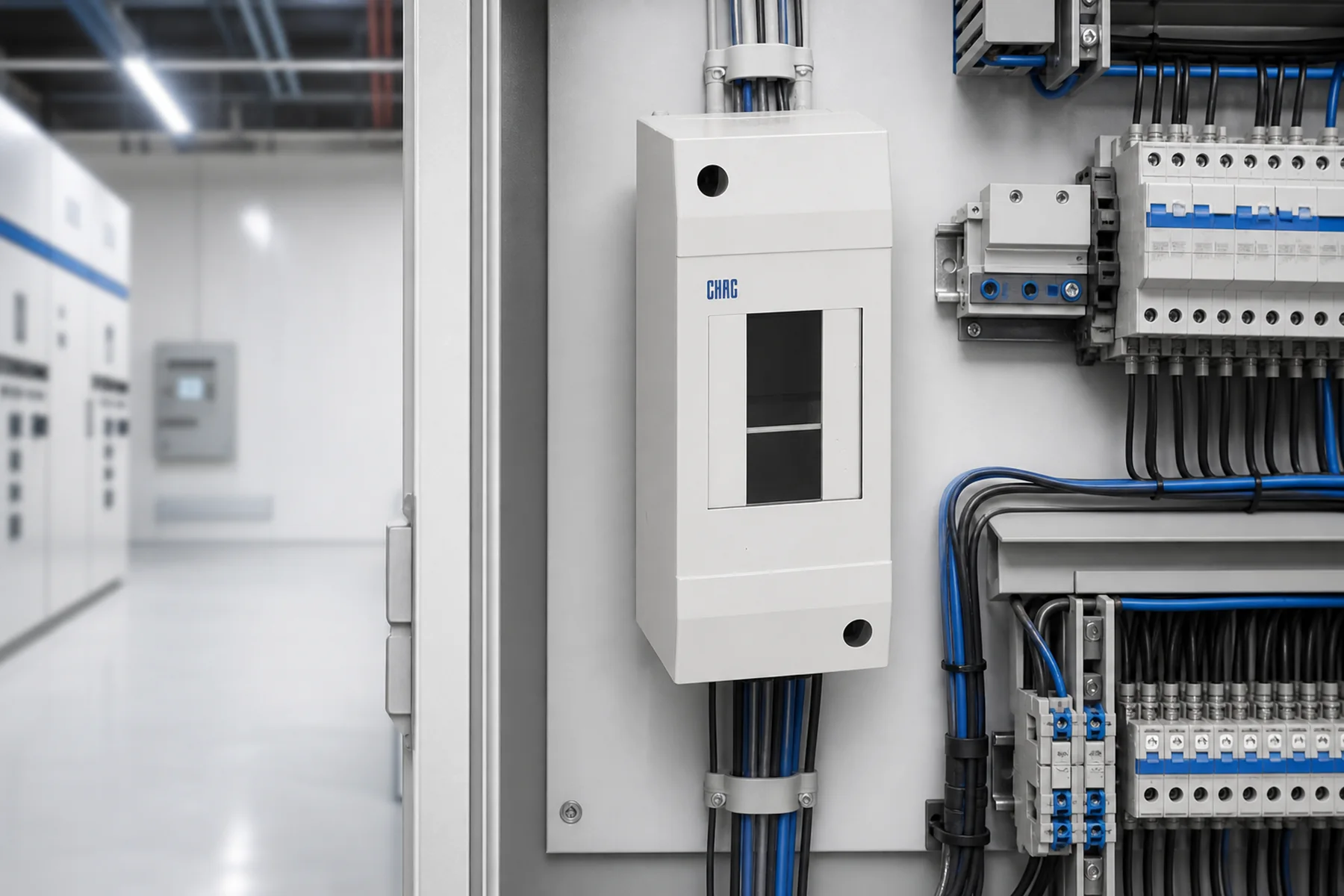
A junction box protects splices, terminals, and transitions while keeping an electrical system serviceable. “Plastic” may mean PVC, polycarbonate, ABS, or a glass-filled polymer; “metal” may mean galvanized steel, stainless steel, aluminum, or a coated alloy. Treat the enclosure as part of the circuit-protection and installation method, not as a decorative shell.
Start with the environment, not the material label
Walk the proposed mounting location and record the worst credible conditions. Indoor clean rooms, dusty mills, outdoor rooftops, coastal sites, wash-down zones, and classified hazardous areas create very different requirements. A polymer enclosure does not rust, but some plastics soften, craze, or lose impact strength under ultraviolet exposure or solvent contact. A steel enclosure can provide a robust barrier, yet an unprotected cut edge may corrode quickly in salt spray.
Specify the target ingress rating using the project’s governing scheme. IEC 60529 defines the IP Code by protection against solids and water; an IP rating is meaningful only when the complete assembly—cover, gasket, glands, plugs, and mounting interface—has been evaluated. NEMA enclosure types are a separate North American classification system, so do not convert an IP number to a NEMA type by assumption. Ask the supplier which tests and construction details support the claimed rating.
For corrosive sites, compare the actual chemical exposure and cleaning regime. Stainless steel may outperform painted steel, while a compatible polycarbonate may avoid galvanic concerns. Check the box, gasket, gland, conduit, and fasteners as one material stack. “Corrosion resistant” is not a universal certification; tie it to a stated material, finish, and test or application limit.
Bonding, earthing, and EMC are design functions
When metal helps
A conductive enclosure can be bonded to the protective earthing system, creating a low-impedance fault path when installed with listed or approved bonding hardware. NFPA 70 Articles 250 and 314 address grounding, bonding, and box installation in U.S. work; the exact method depends on the wiring method, box construction, and local amendments. A metal box is not automatically grounded by contact with a painted bracket or a loose conduit locknut—verify continuity from the enclosure to the equipment grounding conductor.
Metal can also help contain radiated noise from variable-frequency drives, contactors, and switching power supplies. EMC performance still depends on cable routing, gland design, shield termination, door seams, and bonding at the correct frequencies. A thin steel box with plastic glands and a long pigtail may perform worse than a well-designed polymer enclosure with disciplined cable segregation. Treat shielding as a system test item, not a material promise.
When plastic is intentional
Plastic is non-conductive, so it cannot become an accidental live surface and may simplify insulation coordination. It does not remove the need for a protective earth: exposed conductive parts inside the box, metal cable glands, DIN rails, or shields may still require bonding. Where a plastic box is used, specify how metallic entries and internal hardware are bonded, and document the separation between power and signal circuits.
For instrumentation or sensitive measurement, ask for the project EMC plan. Use a conductive box, internal shield, or filtered entry only where the risk assessment supports it. For a basic dry splice, plastic may be adequate and easier to install.
Compare heat, impact, and service life
Thermal behavior is often overlooked. Conductors and terminals generate heat; metal walls generally spread it better than polymers, but wall area, color, ventilation, and mounting also matter. Use the manufacturer’s temperature limits and the project’s derating rules; in a sun-exposed box, solar gain can dominate regardless of material.
Impact and vibration favor a material and wall design matched to the hazard. Steel resists crushing and tool strikes; engineering plastics can absorb impact without denting or exposing bare metal. Review the relevant impact test evidence, hinge and latch life, and fastener retention. On machinery, add strain relief so cable movement does not transfer directly into the box wall or terminal block.
Lifecycle cost includes labor, replacement, inspection, and downtime—not just unit price. A lighter polymer box may reduce installation time and freight, while metal may survive a harsher plant. Compare service intervals, spare-part commonality, gasket replacement, corrosion treatment, and maintenance access. Request a project quotation with the required material and tests.
| Decision dimension | Plastic enclosure | Metal enclosure | Procurement question |
|---|---|---|---|
| Corrosion | Good against many aqueous environments; verify solvents and UV. | Finish and alloy determine performance; stainless options suit severe exposure. | What chemicals, salt, and cleaning agents are present? |
| Bonding and EMC | Insulating by default; metallic entries need a defined bond. | Can provide a bonded shield and fault path when continuity is verified. | Where is the protective earth terminated and tested? |
| Impact and vibration | Choose an impact-rated polymer and reinforced mounting points. | Typically strong against crushing; dents and coating damage need inspection. | What impact, torque, and vibration evidence is available? |
| Thermal behavior | Lower conductivity; check heat rise and softening limits. | Usually spreads heat better; surface temperature and derating still apply. | What is the maximum internal dissipation and ambient temperature? |
| Installation | Lightweight and easy to drill; avoid cracking and overtightening. | May require deburring, bonding jumpers, and corrosion protection. | Which glands, tools, and bonding accessories are approved? |
| Lifecycle/TCO | Can reduce labor and weight; replacement depends on UV and chemical life. | May cost more to handle but can reduce damage-related downtime. | What is the five-year maintenance and spare strategy? |
Size the box for conductors, depth, and entries
The most common field error is choosing by outside dimensions alone. Calculate conductor volume under the applicable code, including insulated conductors, internal clamps, grounding conductors, and fittings. Leave room for bending radius and a technician’s hand; a box that technically fits may still force sharp bends or damaged insulation. For U.S. installations, NFPA 70 Article 314.16 provides box-fill rules and 314.28 addresses larger raceway bodies and angle pulls. For other markets, use the adopted wiring rules and the equipment maker’s instructions.
Depth matters when terminals, DIN rail, ferrules, or shield clamps project into the enclosure. Confirm the usable internal depth after the gasket, cover, mounting plate, and cable-gland nut are installed. Count entries by function: power, control, sensor, drain, and spare. Maintain separation between high-energy and low-level circuits, and reserve blanking plugs for unused holes so the ingress rating is not compromised.
| تطبيق | Useful starting envelope | Depth/entry considerations | أدلة مطلوبة |
|---|---|---|---|
| Simple indoor splice | Small box sized from conductor volume plus bend space | One or two glands; keep a spare entry sealed | Fill calculation, temperature range, installation instructions |
| Control-panel branch wiring | Medium box with room for terminals or DIN rail | Allow wire duct exit, ferrule clearance, and shield routing | Internal drawing, terminal compatibility, EMC guidance |
| Outdoor sensor junction | Weatherproof envelope selected for cable count and solar load | UV-stable gasket, downward entries, drain strategy | IP/NEMA test basis, UV and impact information |
| Industrial motor/VFD area | Metal or reinforced polymer sized for heat and segregation | Large bend radius, strain relief, shield termination, bonding point | Temperature-rise data, bonding method, EMC test plan |
| Wash-down or corrosive process | Material and gasket selected from chemical compatibility review | Avoid crevices; specify stainless or compatible polymer hardware | Material data, gasket compound, cleaning-chemical limits |
For a quick design review, document the maximum conductor count, largest conductor size, entry diameters, internal devices, ambient range, and target IP or NEMA classification. Then ask for a drawing showing usable—not merely external—dimensions. This is the practical meaning of metal electrical junction box sizes: the correct size satisfies fill, bend, heat, entry, and service clearances together.
Read standards and certification claims precisely
Standards have different jobs. NFPA 70 is an installation code adopted and amended by the authority having jurisdiction (AHJ); it is not a product certificate. IEC 60670-1 sets general requirements and tests for boxes and enclosures for electrical accessories in household and similar fixed installations, while IEC 60529 defines the IP Code test classification. UL 514A covers metallic outlet boxes and fittings, and UL 514C covers nonmetallic outlet boxes, flush-device boxes, and covers within its scope. A reference to a standard does not, by itself, prove that a particular model is certified or listed.
Ask for the exact model, edition, scope, and certificate or listing database entry where certification is required. Verify that the tested configuration includes the cover, gasket, glands, and accessories you will buy. A supplier may provide a design tested to an IEC method without holding a UL certification; conversely, a listed box may still be unsuitable for a project’s IP, chemical, or temperature requirement. The AHJ, utility, insurer, or end customer may impose additional rules, so confirm the destination-market requirement before purchase.
A procurement workflow that prevents rework
- Write an environment brief: indoor/outdoor, UV, water, dust, chemicals, impact, vibration, ambient temperature, and hazardous-area status.
- Complete the electrical brief: conductor sizes and counts, circuit voltage, fault level, grounding method, EMC risk, terminals, and cable-entry types.
- Set measurable acceptance criteria: usable dimensions, fill and bend allowance, target IP/NEMA type, material/finish, impact or heat evidence, and required markings.
- Request a drawing, bill of materials, test reports, and certification details for the exact configuration; identify what remains the installer’s responsibility.
- Run a sample installation and continuity, ingress, torque, and thermal checks before releasing a repeat order.
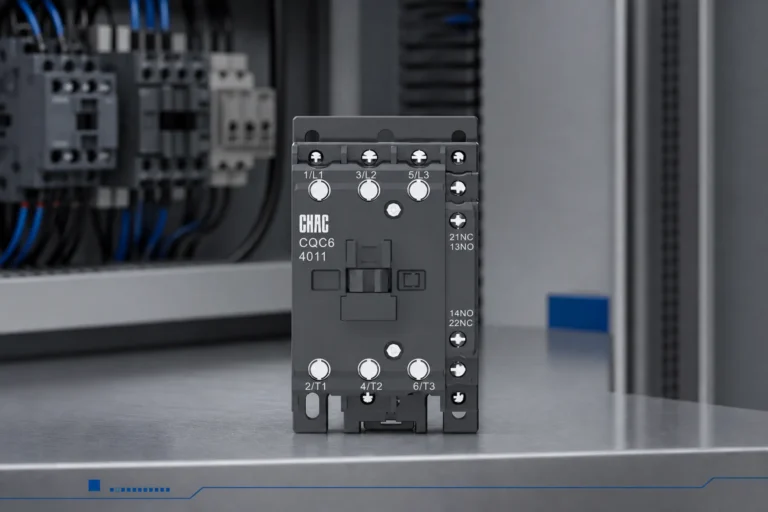
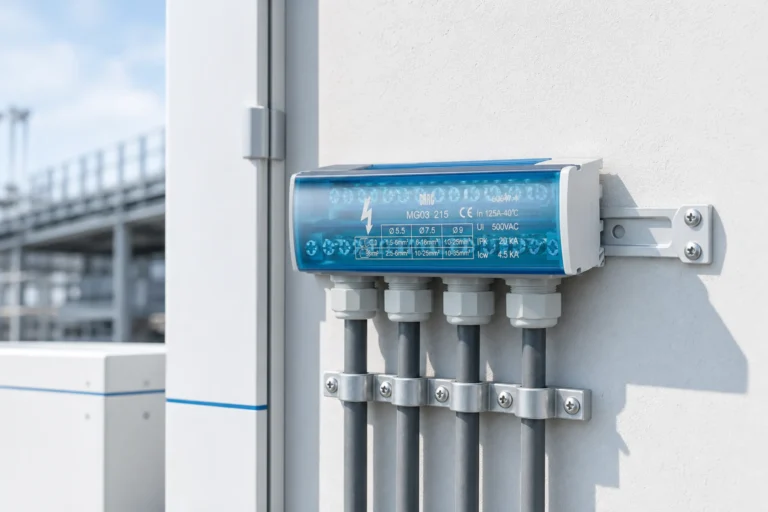
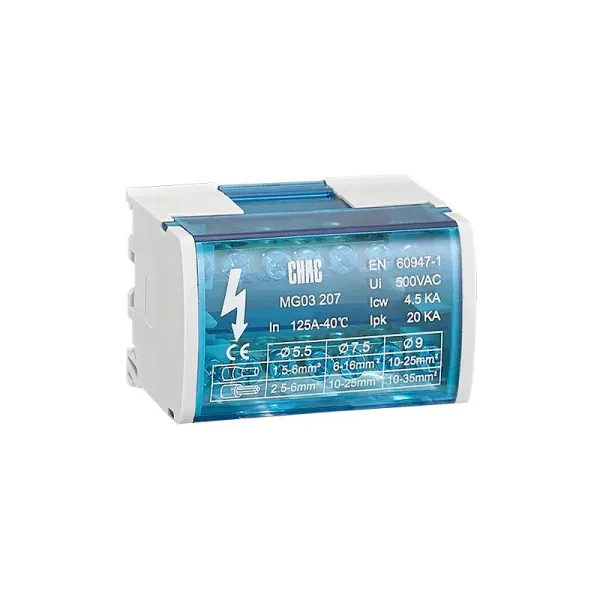
CHAC Electric can be considered when a project needs configurable low-voltage enclosure options and clear application documentation. Its CQMG03 series public information describes tidy cabinet wiring and centralized wire splitting for low-voltage distribution panels and industrial control equipment; treat that as an application fit, then confirm the exact model, dimensions, materials, and evidence for your project. For a broader comparison, see the electric junction box guide and the outdoor electrical junction box article.
Frequently asked questions
Which is better, plastic or metal junction boxes?
Neither is universally better. Choose metal when verified bonding, EMC shielding, heat spreading, or high impact resistance is central; choose a compatible plastic when corrosion, weight, or electrical isolation dominates. Confirm the complete assembly’s ingress, temperature, and impact evidence.
Do metal junction boxes need to be grounded?
Usually, yes, when the box is an exposed conductive part within the applicable wiring rules. Bond it to the protective earthing conductor using the specified screw, clip, jumper, or listed fitting, and verify continuity after painting or modifications. The AHJ and adopted code determine the final method.
Are plastic junction boxes safe?
They can be safe when their material, temperature, impact, flammability, ingress, and conductor-volume limits match the installation. Plastic does not remove the need to bond internal metal parts or to protect cables from strain and abrasion. Use the manufacturer’s instructions and the project code rather than relying on the word “plastic.”
What size junction box should I use?
Calculate required conductor volume, then add space for fittings, grounding conductors, terminals, bend radius, heat, and service access. Check usable internal dimensions and entry layout, not only the outside length, width, and depth. Have the calculation reviewed against NFPA 70 Article 314 or the locally adopted wiring standard.
For product-family context, review CHAC’s CQMG20C series distribution box, then send the project environment, conductor schedule, preferred material, and destination market to the supplier for a configuration check. The best box is the one whose selection logic remains visible after installation: right material, right bond, right volume, and right evidence.
المراجع
- NFPA 70, National Electrical Code (Articles 250 and 314)
- IEC 60670-1, Boxes and enclosures for electrical accessories
- IEC 60529, Degrees of protection provided by enclosures (IP Code)
- UL 514A, Metallic Outlet Boxes, Electrical
- UL 514C, Nonmetallic Outlet Boxes, Flush-Device Boxes, and Covers
Choose the box by the conditions it must survive, the conductors it must contain, and the evidence an inspector can verify. For a project-ready conversation about the CQMG03 connection solution, visit CHAC’s CQMG03 series distribution junction box connection solutions and contact the team with your drawings and schedule.