قد يظل اللوح الكهربائي الذي يحتوي على مساحات فارغة للمقاطعات يفتقر إلى القدرة الكافية لتشغيل مضخة حرارية أو شاحن سيارة كهربائية. وقد يؤدي استخدام حاوية أكبر إلى حل مشكلة تخطيط الدوائر دون الحاجة إلى تغيير موصلات الخدمة أو حدود التغذية أو إمدادات شركة المرافق. كما أن تركيب الأنظمة الشمسية وحلول تخزين الطاقة يطرح سؤالًا إضافيًا: أي المصادر يمكن أن يزوّد القاطع الرئيسي بالطاقة، حتى عند فتح قاطع الفصل الرئيسي؟ إن معالجة هذه المسائل الثلاث جميعها باعتبارها طلبًا لتركيب لوحة كهربائية أكبر قد يترك العائق الحقيقي دون حل. ومن المفيد وضع خطة تحديث تفصل بين حالة المعدات، والطلب المحسوب، ومساحة الدوائر، وربط مصدر الطاقة، قبل اتخاذ القرار بشأن ما ينبغي استبداله أو توسيعه.
الإجابة المختصرة هي البدء بتدقيق ميداني وحساب حمولات موثق، ثم تنسيق شحن المركبات الكهربائية، ومضخات الحرارة، والطاقة الشمسية، ووحدات التخزين، وأحمال المبنى العادية كمنظومة واحدة. إن وجود لوحة مميزة بـ 200 A لا يُنشئ خدمة 200 A ولا يثبت وجود سعة حمل احتياطية. بالنسبة للتركيبات في الولايات المتحدة، تحدد علامات اللوحات وكتاب NEC المعتمد الأجهزة المسموح بها ووصلات المصدر. قارن بين توسيع السعة وإدارة الحمولة فقط حيث تسمح القواعد المعمول بها بطريقة التحكم المقترحة، ثم أنهِ الأمر بوضع ملصقات دقيقة للمصدر وتوثيق الأعمال المنجزة.
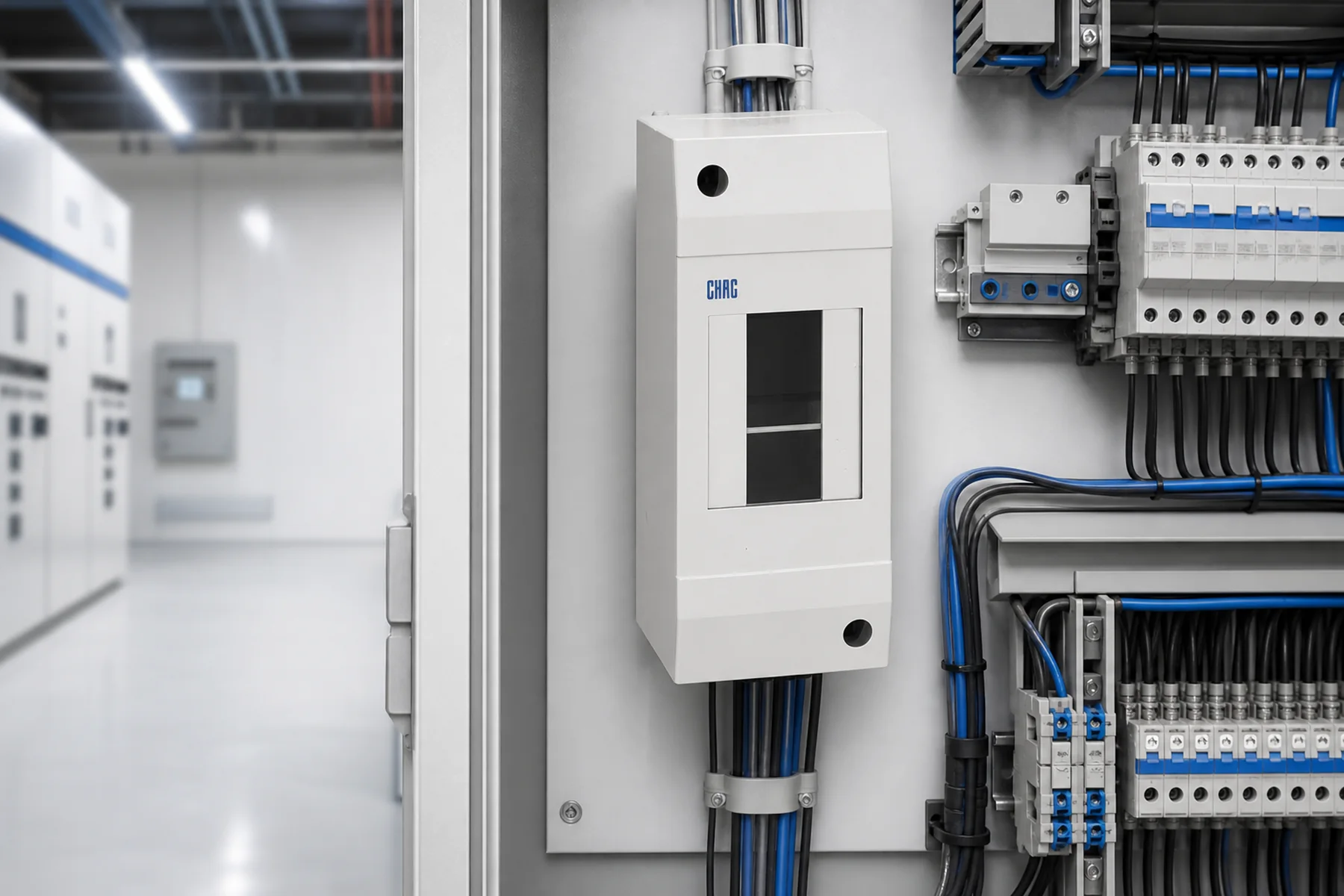
أن ترقية اللوحة الكهربائية قد يُستبدل مركز توزيع قديم، أو تُنشأ دوائر إضافية، أو تُدعم عمليات الكهربة، أو تُحسَّن سهولة الصيانة. كما يمكن أن يؤثر أيضًا على موصلات الخدمة، والخطوط الرئيسية، ومعدات العدادات، ونظم التأريض والربط، وقيم تيار الخطأ، وموافقات الجهات المزوِّدة بالخدمة. تخطيط ترقية اللوحة الكهربائية لذلك يبدأ بمسار الطاقة بالكامل بدلاً من الهيكل وحده.
تنطبق منطقية التخطيط على جميع المباني السكنية والمرافق التجارية، مع اختلاف القيود التشغيلية. تُحدد السلطة المختصة، ولوائح المرافق، والكود المعتمد، وتعليمات المعدات، وظروف الموقع التصميم النهائي. ويجب على مهني مؤهل التحقق منها قبل طلب المعدات.
ما هي البيانات القائمة على الألواح والخدمات التي ينبغي جمعها؟
ما الذي ينبغي فحصه في الجزء العلوي من المجرى؟
سجّل جهد الخدمة وعدد الأطوار، وتصنيف قاطع خدمة التغذية، وتصنيفات اللوحة والقضيب المشترك، وحجم موصل التغذية، وجهاز الحماية الرئيسي، وعدد الدوائر، وترتيبات التأريض والربط، وعلامات الحرارة أو التآكل أو الرطوبة. تحقق من بيانات كتالوج اللوحة وأنواع القواطع المسموح بها حسب الملصق الخاص بها. إن التحديد الميداني مهم؛ لأن قائمة تشير إلى “مقابس” أو “مصابيح” لا يمكن أن تدعم عزلًا آمنًا أو جدول أحمال موثوقًا.
يدعم الفحص البصري بإجراء الاختبارات المناسبة. يمكن للتصوير الحراري بالأشعة تحت الحمراء تحت حمل تمثيلي أن يكشف عن أنماط غير طبيعية في درجات الحرارة، بينما قد تقتضي تعليمات الشركة المصنِّعة استخدام أدوات عزم معايرة. كما قد تكون اختبارات مقاومة العزل أو التوصيل الكهربائي أو الاختبارات الوظيفية مناسبة أيضًا، إلا أن نتيجة واحدة لا تكفي لإثبات صلاحية التركيب. ينبغي للموظفين المؤهلين اختيار الطرق المتوافقة مع الأجهزة الإلكترونية المتصلة وتسجيل الظروف والنتائج لمقارنتها مستقبلًا.
لماذا تختلف المساحات الاحتياطية، وتصنيفات الحافلات، والقدرة الاستيعابية للخدمة، وسعة التعامل مع الأعطال؟
تُظهر المساحات الاحتياطية الأماكن التي يمكن أن تُركَّب فيها الأجهزة المسموح بها فعليًا. يحد التصنيف الحالي لوحدة اللوحة الكهربائية من التيار المُزوَّد عبر محطاتها الرئيسية ضمن الشروط المحددة؛ وقد تفرض وسيلة الحماية الرئيسية أو أي قيود أخرى مُعلَّنة تصنيفًا فعالًا أقل. تعتمد سعة الخدمة على معدات الخدمة، والموصلات، وإمدادات المرافق، والحمل المحسوب. يُعرَّف تيار العطل المتاح بأنه التيار المحتمل عند نقطة معينة أثناء حدوث عطل؛ ويجب مقارنته بدرجات قطع الأجهزة ودرجات مقاومة الدائرة القصيرة للتركيب عند الجهد المناسب. وتشرح UL Solutions هذه العلامات في دليل تطبيق لوحة التحكم, ، ضمن قسمَي “التصنيف الحالي” و“تصنيفات تيار القصر”.”
يمكن أن تحتوي اللوحة على أماكن فارغة دون وجود هامش عملي للحمل. وعلى العكس، قد تمتلك لوحة مزدحمة سعة محسوبة ولكنها تحتاج إلى لوحة فرعية مناسبة أو علبة أكبر لاستيعاب دوائر إضافية. قاطع التوأم يتيح تركيب دائرتين كهربائيتين في حيز قاطع واحد فقط، وذلك عندما تسمح ملصقات اللوحة بذلك؛ ولا يؤدي إلى زيادة سعة القاطع الرئيسي أو المغذي أو الخدمة. يجب توثيق المواقع الاحتياطية والمحجوزة وغير المستخدمة بشكل منفصل، ثم تحديد الهامش المتاح المحسوب بالأمبير أو الكيلوفولت-أمبير.
كيف ينبغي مقارنة الطلب الحالي بالأحمال المستقبلية؟
توفر المادة 220 من NEC طرق حساب للدوائر الفرعية والخطوط الرئيسية والخدمات في المنشآت الأمريكية. إن جمع قيم جميع قواطع الدائرة ليس بديلاً صالحاً. تتطلب الأحمال المستمرة، والمحركات، وتدفئة المساحات الكهربائية، وأجهزة الطهي، ومعدات تزويد السيارات الكهربائية، وغيرها من الأحمال المعالجة المنصوص عليها في القواعد المعتمدة. حيثما يُسمح باستخدام طريقة قياس الأحمال الموجودة، يمكن لبيانات المرافق على فترات زمنية أو مسجل أحمال مثبت بشكل صحيح أن يساعد في كشف الذروات المتزامنة والأنماط الموسمية. استخدم الإصدار المحلي المعتمد من NFPA 70: الكود الكهربائي الوطني, ، وليس حسابًا عامًا عبر الإنترنت.
قم بنمذجة المبنى الحالي، واليوم الأول بعد الترميم، وحالة توسع معقولة. حدد الأحمال التي يمكن تشغيلها معًا وتلك الخاضعة للتحكم. ينبغي أن تتضمن خارطة الطريق تواريخ الربط المتوقعة، وجهد الكهرباء وعدد الأطوار، واحتياجات التشغيل والبدء، ودورة التشغيل، ونقطة الربط، بالإضافة إلى القرار الذي يستدعي إجراء دراسة إضافية. يساعد ذلك في منع تحول عبارة “جاهز للمستقبل” إلى مجرد عبارة تسويقية غير مدعومة بالحقائق.
كيف تؤثر المركبات الكهربائية، والطاقة الشمسية، ونظم التخزين، ومضخات الحرارة على عملية التحديث؟
تتفاعل أحمال الكهرباء. فقد تبلغ عمليات شحن المركبات الكهربائية ذروتها عند عودة مركبات الأسطول، وقد يرتفع الطلب على مضخات الحرارة خلال فترات الطقس القاسي، كما قد تتزامن عمليات شحن البطاريات مع انخفاض أسعار الكهرباء. يمكن للإنتاج الشمسي أن يقلل من اعتماد النظام على الطاقة المستوردة خلال ساعات النهار، لكنه لا يضمن توفر السعة بعد غروب الشمس. يعمل محول البطارية على تغيير اتجاه التيار وأنماط التشغيل، كما يفرض متطلبات إيقاف التشغيل والعزل ووضع العلامات التي لا يعكسها مجرد حساب إجمالي الأحمال.
قم ببناء صورة تشغيلية قبل تخصيص السعة. حدد الأحمال الأساسية والأحمال المرنة، وكمية الطاقة المطلوبة من المركبات الكهربائية بحلول وقت المغادرة، وتشغيل السخان الاحتياطي للمضخة الحرارية، وسياسة احتياطي البطارية، وقيود تصدير الطاقة الشمسية، وفترات فرض رسوم الطلب. استخدم بيانات موزعة على فترات تمثل الموسم ذا الصلة، ثم اختبر تصنيفات المعدات في ضوء سيناريوهات تشغيل واقعية. لا يمكن لقطة مُقاسة أن تحل محل طريقة الحساب المطلوبة.
متى يمكن لإدارة الأحمال تجنب الحاجة إلى زيادة سعة الخدمة؟
إدارة حمولة المركبة الكهربائية يمكن أن يحدّ نظام الشحن أو يرتّبه لتقليل الطلب المتزامن، غير أن وجوده لا يخوّل تلقائيًا احتساب خدمة كهربائية أصغر. يجب على المصمم تحديد الحكم الوارد في الكود المعتمد الذي يسمح بالطريقة المقترحة، والتحقق من ملاءمة المعدات وإعداداتها وأجهزة الاستشعار ومنطق التحكم وسلوكها عند حدوث الأعطال. إن تطبيق الجدولة أو جهاز المراقبة وحدهما ليسا دليلاً على وجود نظام مقبول للحد من السعة.
قد تُصبح عملية ترقية سعة الخدمة ضرورية عندما يتجاوز الطلب المطلوب السعة المتاحة حاليًا، أو عند تعذّر تخفيف الأحمال الحرجة، أو إذا كان النظام المُدار سيؤدي إلى تعطيل العمليات. وقد تشمل هذه العملية عداد الكهرباء، ومدخل الخدمة، والموصلات، وواجهة المحول، ونظام قطب التأريض، وشبكة المرفق، وليس مجرد لوحة كهربائية ذات تصنيف أعلى. كما أن أنظمة التحكم لا تستطيع إصلاح قضيب التوصيل التالف أو جعل قاطع غير متوافق مقبولاً. لذا ينبغي أولاً معالجة حالة المعدات وتوافقها قبل مقارنة الطلب المُدار بالتوسعة التقليدية.
| مسار الترقية | الأنسب | ما لا يحله | الأدلة الرئيسية المطلوب تقديمها |
|---|---|---|---|
| استبدل اللوحة بنفس السعة. | معدات متقادمة أو تالفة أو ذات وثائق غير كافية، مع وجود سعة تصاعدية كافية. | لا يضيف هامشًا للخدمة أو للتغذية | تقرير الحالة، حساب الحمل، التصنيفات، وخطة الاختبار |
| أضف لوحة فرعية | المزيد من مواقع الدوائر بالقرب من منطقة تحميل محددة | لا يتجاوز حدود التغذية أو قواعد الربط الأرضي. | Feeder calculation, voltage drop, protection, and location review |
| Use managed demand | Flexible loads with predictable priorities and a method permitted by the adopted rules | Does not cure deteriorated equipment, incompatible devices, or insufficient capacity for nonsheddable loads | Applicable code basis, equipment documentation, failure behavior, and commissioning record |
| Increase service capacity | Higher required demand or expansion that cannot depend on shedding | Does not automatically correct branch wiring or poor documentation | Utility approval, service design, fault-current basis, and outage plan |
Budget comparisons should include engineering, permits, utility work, shutdowns, temporary power, testing, labeling, and finish repair as well as hardware and labor. This تكلفة استبدال لوحة الكهرباء guide explains why two quotes for apparently similar panel work can cover very different scopes.
Which solar and storage markings must be checked before reserving a breaker space?
Reserve a source connection, not just an empty position. UL Solutions’ دليل تطبيق لوحة التحكم distinguishes supply-side and load-side parallel-source arrangements. For panelboards intended for load-side connections, it describes markings specifying the maximum ampere rating of overcurrent devices for parallel sources. It also describes source-position warnings that prohibit relocating the source breaker in applicable arrangements. Check these instructions and the adopted interconnection calculation together; no universal backfeed allowance follows from the bus nameplate alone.
The upgrade file should identify every source, its connection point, disconnect, operating mode, and affected bus section. Record any specified hold-down kit for a back-fed plug-in unit. Where a power control system is used to limit source output, retain the exact approved system and settings; do not treat EV demand control as interchangeable with source-output control.
For standby or battery-backed operation, also document the transfer or interlock arrangement, whether the neutral is switched, and which circuits remain energized in backup mode. UL’s guide describes panel-specific standby interlock markings and neutral-system markings for panelboards with inlets. These are equipment-specific provisions, not permission to improvise a generator or inverter connection.
How should protection and monitoring be planned together?
How should protection match the actual hazards?
Overcurrent devices address overload and short-circuit conditions; they do not replace ground-fault, arc-fault, residual-current, or surge protection where those functions are required. For US work, apply the adopted NEC requirements for AFCI and GFCI protection. In IEC-based markets, select the appropriate RCD arrangement and type for the load characteristics and local installation rules.
Specify a surge protective device by its installation location, type, voltage configuration, ratings, upstream protection, and conductor routing. Short, direct connections generally improve surge performance, but manufacturer instructions govern the installation. Sites with rooftop equipment, long outdoor feeders, EV chargers, or sensitive controls may need a coordinated surge strategy rather than one device chosen only by a headline rating.
Available fault current deserves its own check whenever utility or transformer conditions change. The installed protective device must have an adequate interrupting rating, and the assembly must have a suitable short-circuit current rating. Commercial designs may also require a coordination study using manufacturer time-current data. Mixing breakers that physically fit is not evidence of permitted compatibility or selective coordination. UL’s panelboard guide describes required field-installed-unit markings and the limited, specific-panel scope of Classified replacement breakers.
What decision should monitoring support?
Panel-level monitoring is most valuable when the team first defines the decision it will support. Whole-building demand data can show when capacity is constrained. Circuit-level metering can separate EV, HVAC, process, tenant, or renewable-energy performance. Revenue or tenant billing may require approved metering rather than a general-purpose energy monitor. Specify measurement accuracy, sampling interval, data retention, communications, time synchronization, access rights, and the party responsible for reviewing alarms.
Monitoring does not create capacity, and a dashboard is not a substitute for protective devices. It can, however, confirm whether load-control logic works, reveal phase imbalance, support demand-charge management, and provide evidence before the next expansion. Keep the baseline data and commissioning settings with the as-built package instead of leaving them in one installer’s mobile account.
How should the outage and acceptance tests account for every source?
Define the shutdown window, essential loads, temporary-supply ratings, isolation points, lockout/tagout steps, absence-of-voltage verification, inspection hold points, and rollback plan. Commercial work may need phased feeder transfers; homes may need continuity for medical equipment, heating, refrigeration, or security. Confirm utility and inspection appointments before removal.
Do not equate an open main handle with a de-energized panel. The UL guide describes warnings that parallel-source disconnect terminals may be energized on both sides while open and that opening one source disconnect does not de-energize the panel. For US workplaces, 29 CFR 1910.333: Selection and use of work practices requires qualified-person testing for de-energization, including possible induced voltage or backfeed. The isolation procedure must follow the actual source diagram and equipment instructions.
| منطقة القرار | سؤال تصميمي | Closeout evidence |
|---|---|---|
| Capacity | Which present and future loads can operate together? | Approved load calculation, assumptions, and measured-demand record where used |
| حماية | Are device functions and ratings suitable for the system and fault level? | Equipment data, settings, study results where required, and test records |
| Sources | What can energize each bus section in normal and backup modes? | Source diagram, connection and isolation labels, interlock or transfer data, and verified operating sequence |
| Operations | Which loads have priority and what happens if controls or communications fail? | Control narrative, alarm test, override instructions, and owner training |
| التوسع | Which spaces and capacity are spare, reserved, or unavailable? | Panel schedule, reserve register, and documented design trigger |
| صيانة | Can technicians identify and isolate every source safely? | Labels, one-line diagram, circuit directory, test results, and as-builts |
How should spare capacity and equipment requirements be documented?
A procurement specification should state the market and adopted standards, voltage, frequency, phase, enclosure environment, service and bus ratings, fault-current basis, incomer and outgoing circuits, protection functions, neutral and grounding arrangements, cable entry, spare requirements, monitoring, labels, and required records. NEC 110.26 addresses access and working space, Article 250 covers grounding and bonding, and Article 408 covers panelboards. In IEC-based markets, local installation rules and the relevant IEC 60364 provisions govern installation; IEC 61439 addresses low-voltage switchgear and controlgear assemblies. These scopes are not interchangeable product certifications.
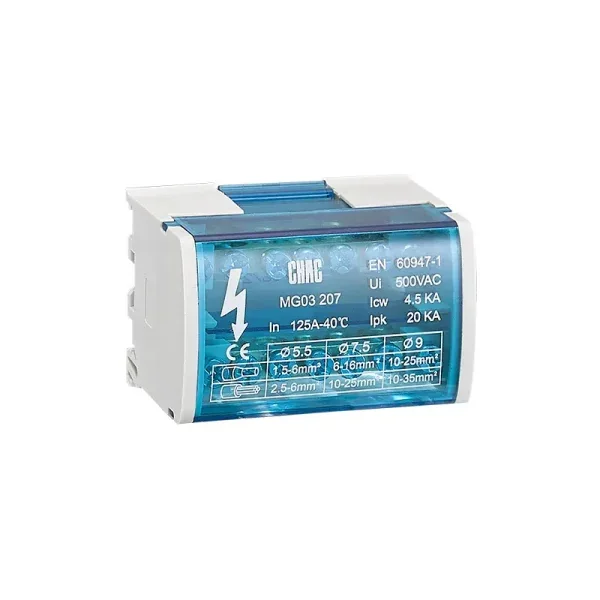
Evaluate equipment against the complete specification and manufacturer documentation. For projects whose market requirements match the proposed equipment, CHAC’s distribution boxes provide a product reference for discussing circuit layout. Exact ratings, permitted devices, installation conditions, and local acceptance still require verification. This is not a recommendation to substitute a CHAC enclosure or DIN-rail device into a proprietary US panelboard.
Closeout is the point at which many otherwise sound upgrades lose long-term value. Replace temporary markings with durable source, circuit, and shutdown labels. Update the one-line diagram and circuit directory after field changes, and include the final load calculation, equipment submittals, protection settings, torque records where required, test results, permits, and inspection outcome. Store editable and controlled PDF versions in the owner’s document system.
Create a reserve-space register that identifies each unused way as spare, reserved for a named project, or unavailable. Record the allowed load, phase, anticipated date, and the condition that requires engineering review. Record source-connection restrictions separately so a future installer does not move a backfeed breaker to free a convenient position. After any later tenant change or electrification project, update the directory and capacity model.
What other questions matter before an electrical panel upgrade?
Should I upgrade the service or install a larger panel?
A larger enclosure is useful when the main problem is circuit space and the existing feeder and service have sufficient calculated capacity. Upgrade the service when justified demand exceeds the existing supply or when utility and conductor limitations prevent the required expansion. Confirm both conditions with a load calculation and an upstream equipment review.
Can smart load management avoid a 200 amp service upgrade?
It can in some projects when flexible loads can be limited by a method permitted under the adopted code. It is not a universal substitute for capacity, damaged-equipment replacement, or breaker compatibility. Verify the required demand, equipment suitability, failure behavior, and local acceptance before comparing the operating compromise with conventional expansion.
Do EV charging and solar automatically require a panel upgrade?
No. EV charging requires a load-capacity assessment, while solar also requires a source-interconnection assessment. A panel may have enough capacity for a charger yet lack an acceptable solar connection arrangement. Check each against the applicable calculation, equipment markings, and utility requirements.
Is a 200 A service automatically enough for future electrification?
No. Service size is only one input. Confirm feeder capacity, bus rating, fault duty, voltage drop, grounding, available spaces, and the documented future-load scenario. Also distinguish the marked bus rating from the rating of the installed service disconnect.
How should solar panels and battery storage affect panel planning?
They change power-flow, protection, isolation, labeling, and operating-mode assumptions. Model generation, battery charging and discharge, backup loads, export limits, and shutdown behavior rather than subtracting solar nameplate output from the building peak. Retain the permitted connection positions and the diagram showing which sources can energize each bus section.
What records should an electrical panel upgrade include?
Keep the approved load calculation, one-line diagram, panel schedule, circuit directory, equipment data, protection settings, permits, inspection record, commissioning results, and as-built drawings. For solar, storage, or standby sources, retain the source isolation and transfer information. Where monitoring or load controls are installed, also retain sensor locations, control logic, account ownership, alarm tests, and baseline data.
How much spare capacity should an upgraded panel have?
There is no reliable universal percentage. Reserve physical spaces and calculated electrical headroom for documented future loads, while checking the bus, feeder, service, phase balance, and fault-current implications. Label reserved ways and review the capacity model whenever a new load or source is proposed.
Which references support the planning checks?
- دليل تطبيق لوحة التحكم, UL Solutions; current, short-circuit, field-installed equipment, standby, and parallel-source markings. Public guidance checked October 7, 2026; code-section numbering may vary by edition.
- NFPA 70: الكود الكهربائي الوطني, National Fire Protection Association; use the locally adopted edition for the installation.
- IEC 61439-1: Low-voltage switchgear and controlgear assemblies – Part 1: General rules, International Electrotechnical Commission; assembly requirements, not a substitute for local installation rules.
- 29 CFR 1910.333: Selection and use of work practices, US Occupational Safety and Health Administration; workplace electrical isolation and verification.
The useful distinction is between room for another circuit, capacity for another load, and permission to connect another source. Assess equipment condition first, calculate required demand, then verify the complete supply path and any proposed control method. For solar or storage, check connection limits and normal and backup operating modes before reserving breaker positions. Do not let an open main handle, a monitoring dashboard, or an apparently generous bus rating replace source isolation, equipment instructions, or the required calculation. A documented upgrade leaves the next project team a usable capacity model and a reliable shutdown procedure. Buyers developing a market-specific equipment specification can review CHAC’s معدات التوزيع الكهربائي against that specification without assuming US panelboard compatibility.