Imagine a facilities buyer in Miami ordering an outdoor cabinet with a correctly rated breaker. During the first wet-season inspection, water is found at an unsuitable cable entry. In this hypothetical example, the failure began with the enclosure and wiring method, not the breaker’s ampere rating.
ملخص: An outdoor circuit breaker wiring proposal should specify the complete assembly: load, protection, enclosure exposure, cable route, grounding and maintenance access. NEC Articles 300 and 310 address wiring conditions and conductors, while outdoor receptacle protection has additional requirements. A weather-resistant box does not make every cable, accessory or internal component suitable for outdoor service.
Start with exposure and the complete circuit route
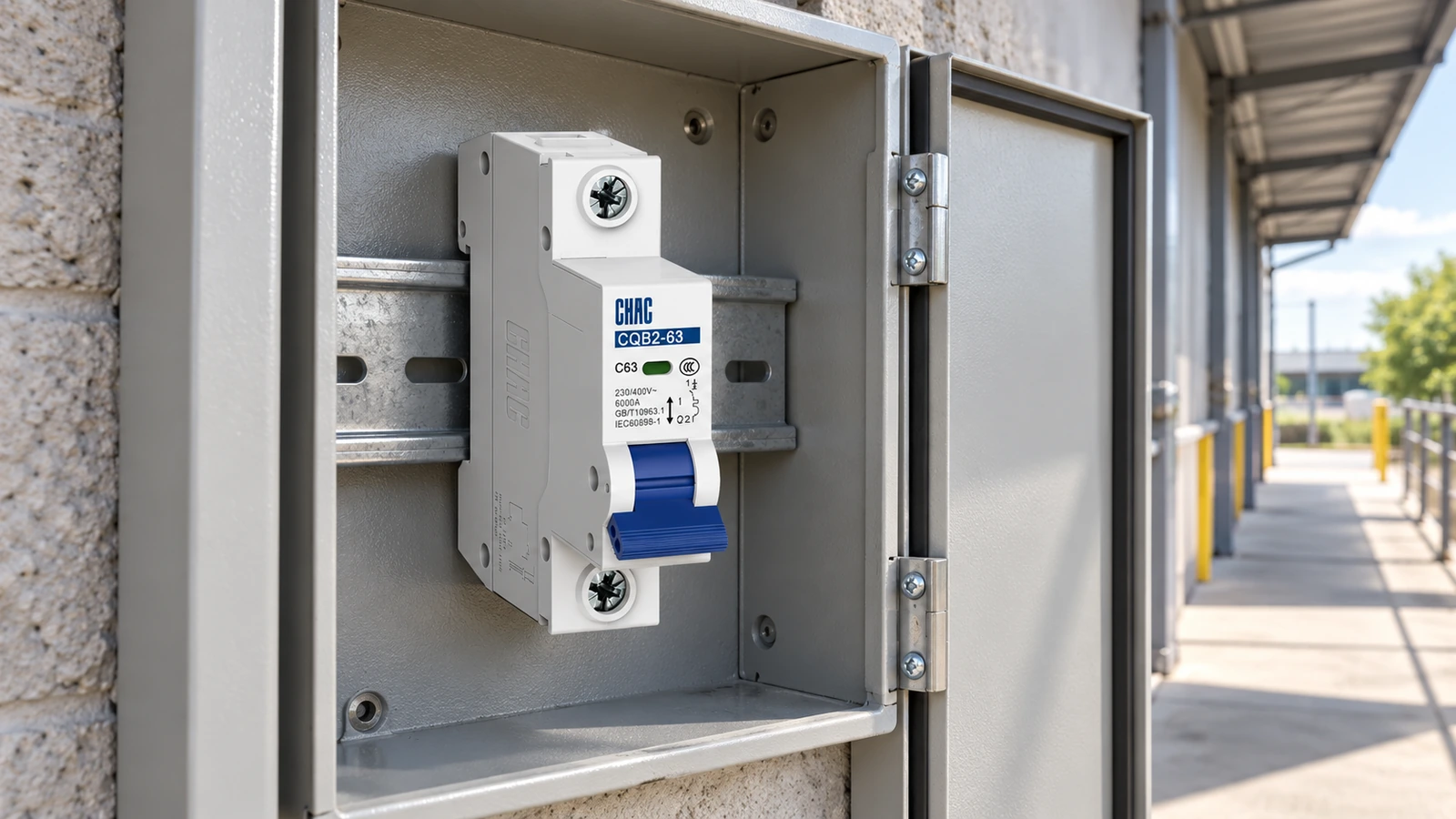
أن outdoor circuit breaker wiring proposal should state whether the location sees rain, washdown, condensation, direct sun, salt or mechanical damage. Identify the applicable enclosure classification and installation instructions. An IP designation and a NEMA enclosure type describe different assessment systems and should not be treated as simple interchangeable labels.
Draw the route from the source to the outdoor load and mark every change in wiring method. Underground raceways and other outdoor pathways can contain moisture even when their ends appear well sealed. Select conductors with the wet-location suitability required for the actual route; do not infer this from a dry-location insulation marking.
OSHA 1910.303 and 1910.305 establish relevant workplace principles for suitability, installation and wiring protection. The adopted electrical code and local authority determine the installation-specific details. Document those details in the proposal so the installer and equipment supplier work from the same conditions.
Select the enclosure, protection and entries together
An enclosure must accommodate the device envelope, terminal access, conductor bends, mounting and service clearances. Thermal performance also matters: direct sun and internal losses can affect the usable current of components. Ask for the assembly’s conditions rather than combining a free-air device rating with an arbitrary sealed box.
A weather-resistant enclosure needs compatible glands, plugs, seals and fittings. Drilling extra openings or installing an unsuitable accessory can undermine the intended protection. Condensation control must follow the enclosure manufacturer’s guidance; do not add improvised ventilation holes.
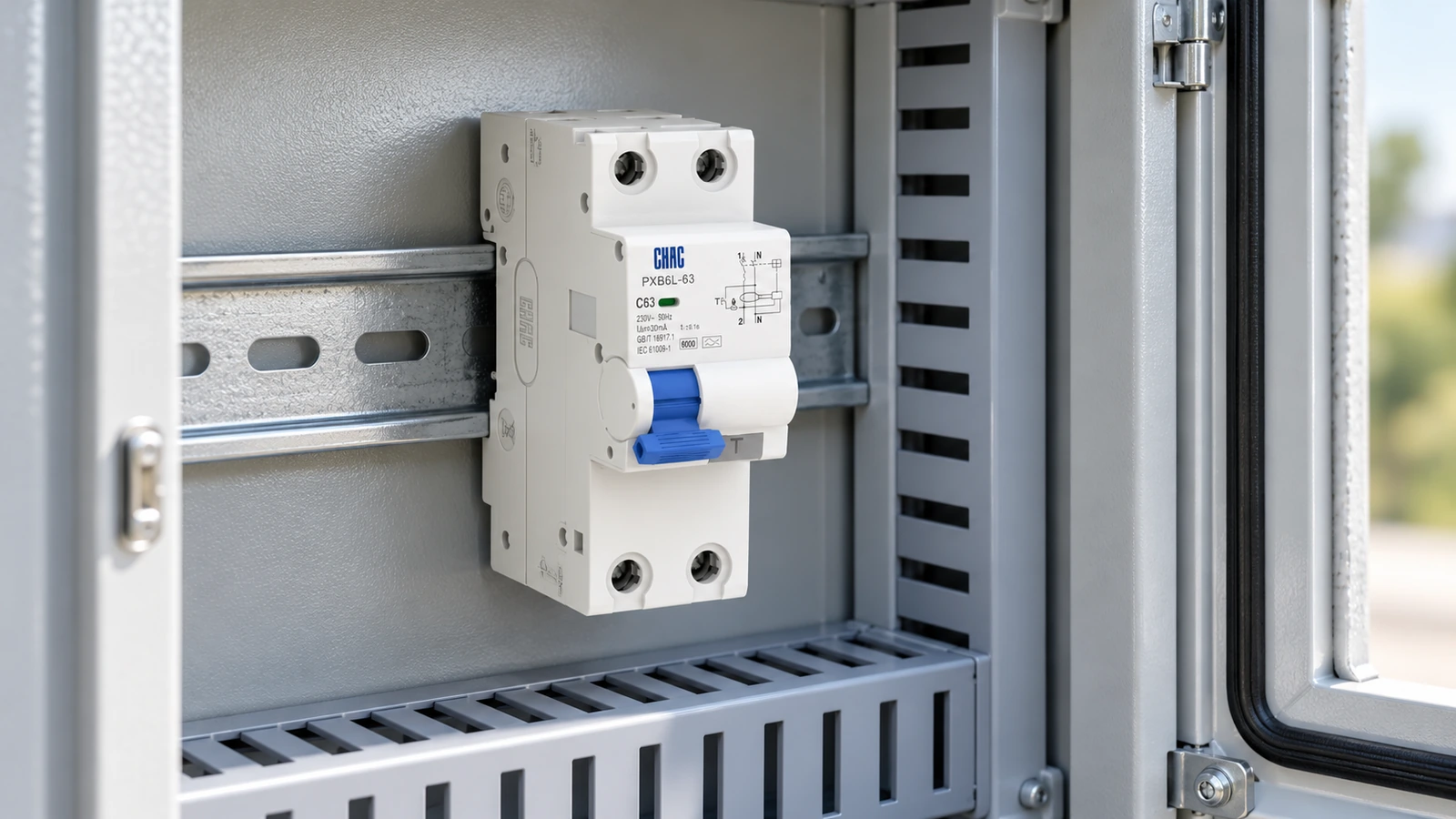
For outdoor receptacles, verify the applicable GFCI requirements, receptacle rating and cover requirements for the adopted code edition. Overcurrent protection and ground-fault protection have different functions. A circuit breaker does not provide personnel ground-fault protection merely because it feeds an outdoor socket.
A proposal should identify verification and maintenance work
Include a load schedule, source and earthing details, conductor specification, protection schedule, layout drawing and environmental requirements. The final termination diagram must come from approved model-specific instructions. A conceptual article cannot establish the terminal arrangement for an unidentified breaker or accessory.
For a hypothetical pump enclosure, specify a suitably rated enclosure, approved cable-entry system, required protective functions and a commissioning record. Keep the component locations conceptual until the actual equipment drawings and cable sizes are available. Do not turn this example into a universal wiring diagram.
Maintenance access deserves an explicit review before the cabinet is ordered. A gland that fits the bottom plate can still force a conductor into an unacceptable bend or obstruct a terminal tool. Catching this in the layout is usually cheaper than replacing the enclosure after installation.
Compare the selection criteria
| Design layer | What it addresses | What it does not establish |
|---|---|---|
| Circuit breaker | Declared overload and short-circuit duty | Weather resistance of the assembly |
| حَظِيرة | Specified environmental protection | Suitability of every cable entry |
| GFCI protection | Specified ground-fault protective function | Overload protection unless also provided |
| Grounding and bonding | Required fault-current path and exposed metal treatment | Water exclusion |
Check the conditions that change the selection
| Proposal item | Information to include | Handover evidence |
|---|---|---|
| بيئة | Water, dust, corrosion, sunlight and temperature | Enclosure selection and installation instructions |
| Cable route | Length, burial or raceway conditions and cable type | Approved route and conductor schedule |
| حماية | Load, fault level and required functions | Device settings and coordination evidence |
| صيانة | Access, identification and inspection points | Commissioning and inspection records |
Apply the correct standards and approval scope
Use the locally adopted NEC or applicable IEC-based installation rules. NEC 210.8, 300.9, conductor wet-location rules and enclosure requirements address different parts of the design. A component declaration under IEC 60898-1 does not by itself establish US listing or compliance of a complete outdoor panel.
What to confirm before placing an order
CHAC can discuss قاطع دائرة مصغر options and molded-case circuit breaker options for the protection specification. Confirm destination-market acceptance before choosing a component. Make outdoor circuit protection an assembly-level requirement, and send the enclosure environment, route conditions and project drawings with the inquiry.
For related selection details, read the guide to ground fault versus short circuit.
الأسئلة الشائعة
What are the NEC rules for outdoor electrical outlets?
The adopted edition governs GFCI protection, wet or damp location suitability, covers and wiring methods. Requirements depend on occupancy, voltage, current and use, so the complete circuit must be checked.
Does outdoor wiring have to be in conduit?
Not always. Permitted wiring methods include different cable and raceway systems, subject to exposure, burial, support and physical-protection requirements.
Which breaker would be for outdoor outlets?
Use the circuit schedule and verified labeling to identify the circuit. The protective functions and rating must suit the load and local code; location alone does not identify a universal breaker.
How should outdoor electrical wiring be installed?
Have a qualified installer use the approved design, suitable wiring method and manufacturer instructions. The work includes grounding, entry sealing and required testing, not only connecting conductors.
What is an outdoor circuit breaker wiring proposal used for?
It defines the circuit, environmental conditions, equipment and checks before procurement and installation. It should distinguish conceptual layouts from approved construction drawings.
How does an outdoor circuit breaker protect the circuit?
It responds according to its declared protective characteristic. Environmental protection comes from the complete enclosure and wiring system, while additional fault functions require suitable devices.
المراجع
- OSHA 1910.303 — electrical equipment and installation requirements
- OSHA 1910.305 — wiring methods and equipment
- OSHA — ground-fault circuit interrupters
- NFPA 70 — National Electrical Code
For model-specific selection, review the CHAC product details and send the application conditions, quantity and destination requirements through the contact page.