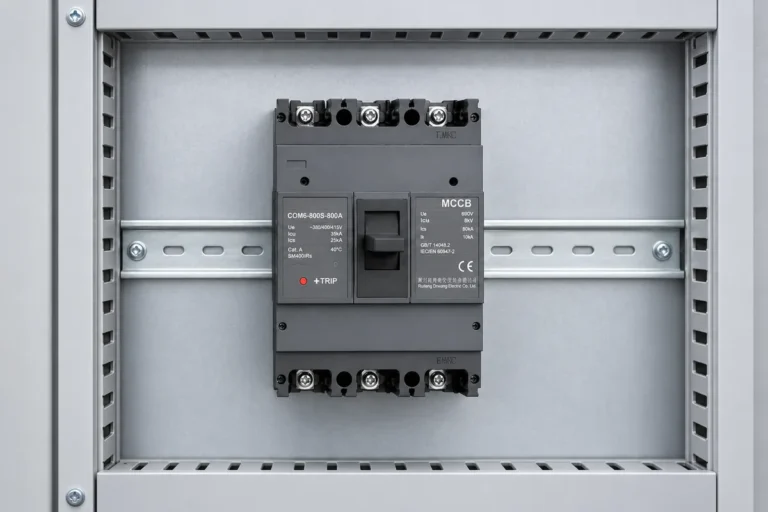
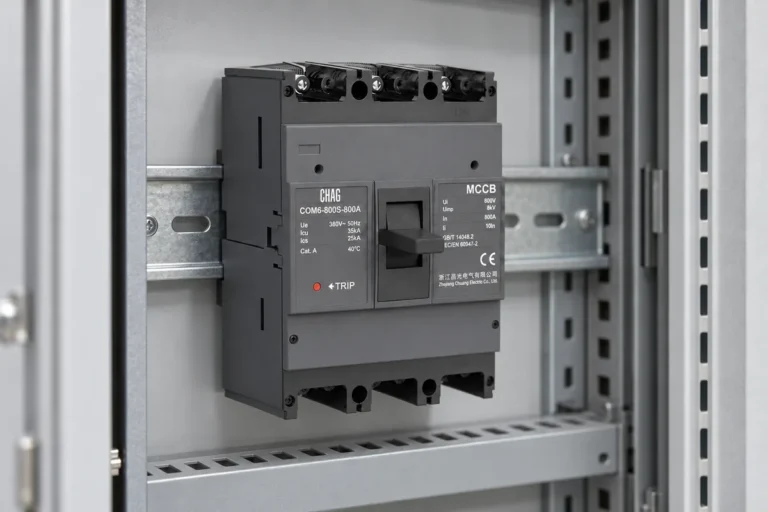
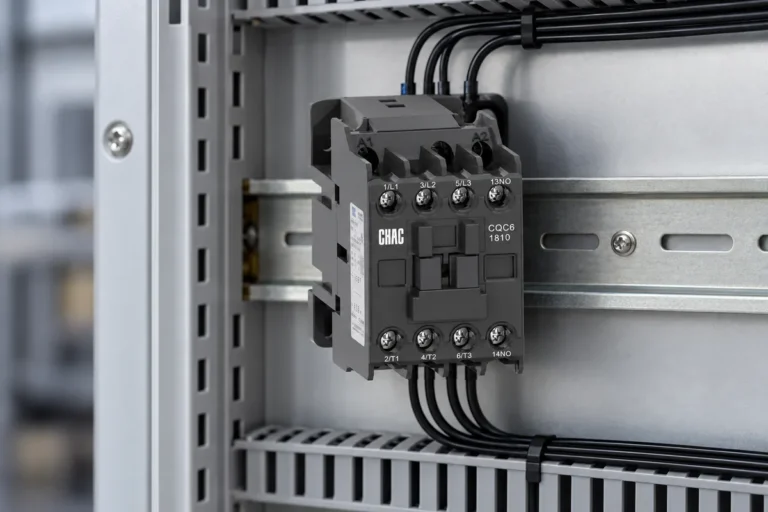
Disconnect switch selection selection starts with the circuit role, the project requirement, and selected-model documentation. Disconnect Switch Selection Questions for Panel Builders helps panel builders organize those checks before a device is specified or an RFQ is issued. Isolation duty is owned by the single-line diagram and the selected disconnect documentation, not by a catalog thumbnail.
Part 1. What isolation question is the disconnect switch answering?
A disconnect switch is reviewed when the design needs a documented means to isolate a circuit for service or switching under the project rules. The first task is to name the circuit, the isolation location, and the duty expected from the selected product documentation.
Part 2. Which circuit and location inputs belong on the drawing?
Record supply arrangement, load side boundary, number of poles, presence of neutral, enclosure location, operator access, and any interlocking with doors or upstream devices. These inputs prevent treating a miniature isolator as a universal substitute for another isolation method.
Part 3. How should utilization and switching duty be framed in the RFQ?
Ask for the utilization category, load type, and switching expectations to be confirmed against the selected model. Do not assume that every isolating switch is suitable for every make/break duty shown on a marketing page.
Importante: A disconnect device must be selected for its documented isolation duty; catalogue photos do not prove padlocking, utilization category, or safe isolation for a specific circuit. (fuente — IEC switch-disconnector standards discovery)
Part 4. Where do locking and service procedures interact with selection?
If the project requires padlocking or lockout interfaces, state that requirement explicitly and verify it in the selected-model instructions. Procedure ownership stays with the site safety plan; the product only supplies the documented mechanical interface.
Part 5. What should buyers put in a disconnect-switch RFQ?
Include the single-line diagram, isolation point, pole arrangement, environmental context, requested documentation, branding needs, and the exact evidence the supplier must return for the proposed model.
Una lista de entradas de RFQ compacta facilita la comparación de las respuestas de los proveedores:
| El comprador debe proporcionar | Por qué importa | Error común |
|---|---|---|
| Conjunto de planos actual | Define el límite del circuito | Envío del nombre de un producto sin un diagrama |
| Funciones requeridas | Hace que la solicitud sea revisable | Tratar opciones no verificadas como estándar |
| Contexto de instalación | Identifica las condiciones del proyecto para confirmar | Asumiendo que la copia de la categoría es una aprobación del proyecto |
| Solicitud de documentación | Conecta la RFQ con la evidencia exacta | Aceptando afirmaciones genéricas en lugar de datos del modelo |
| Enviar con cotización | Hace que la comparación de proveedores sea verificable | Citando sin el paquete de evidencia solicitado |
Para un contexto más amplio, revise el disconnect switch selection product family y lo relacionado página de línea de productos.
Part 6. Which CHAC product route is the right starting point?
The CQD2 miniature isolating switch product route supports early discussion for control-circuit isolation after inputs are listed, while the isolating-switch category provides family navigation. Neither page authorizes a project isolation scheme by itself.
Recomendación de producto
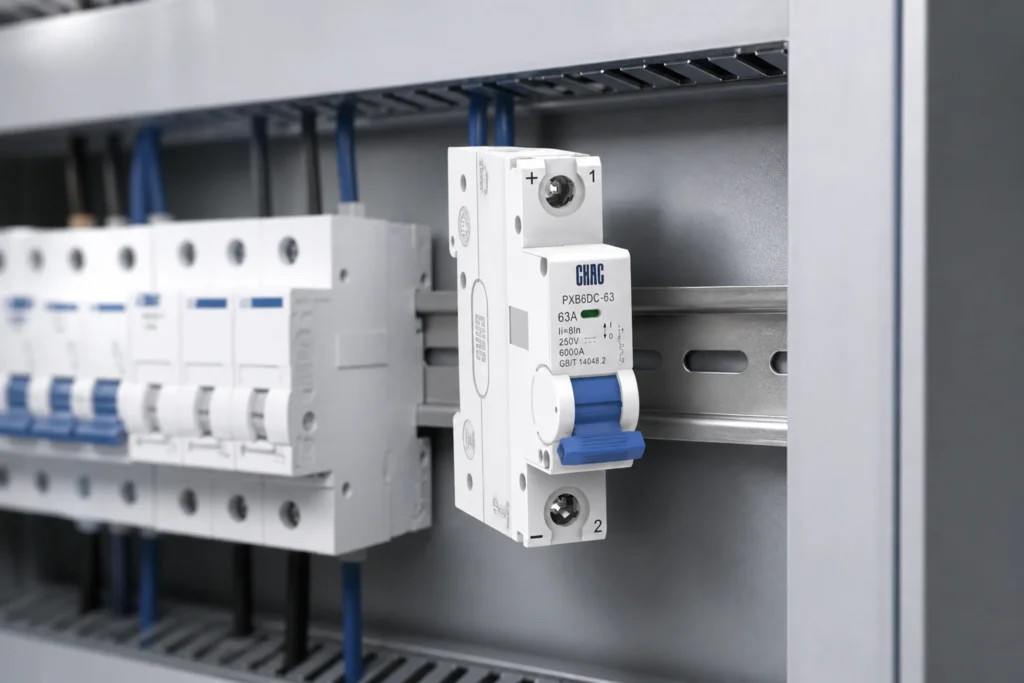
PXB6 Series MCB RCBO Accesorios Completos Piezas OEM | CHAC Electric
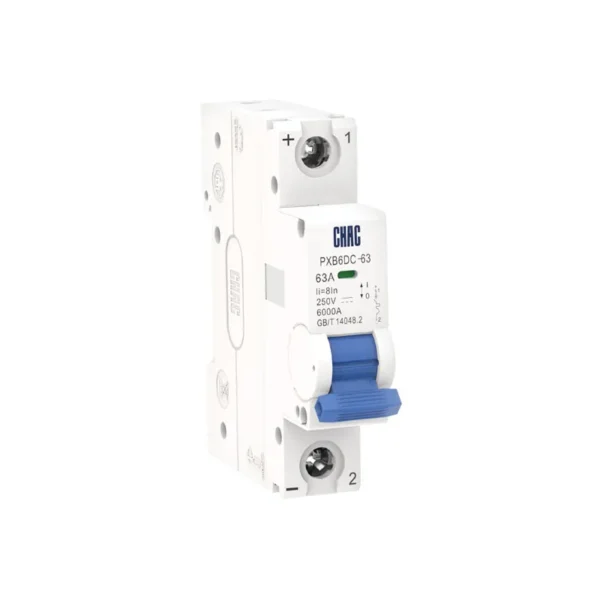
Utilice el publicado página de producto CHAC relevante as a documented product route starting point for a product discussion only after the RFQ inputs are complete. OEM labeling for isolating switches can be raised on the página de personalización eléctrica de terminales. A compact isolator silhouette does not prove padlocking, utilization category, or conductor scope for the isolation point.
Part 7. Where does disconnect-switch RFQ guidance stop?
Use this guide for RFQ preparation and early panel isolation scoping. It is not a lockout/tagout procedure, a DC PV isolator guide, or a claim that one CHAC model matches every feeder or motor circuit. Schedule a drawing review that marks the isolation boundary and any door interlocks before purchasing.
Fit Boundary: disconnect RFQ scoping stops short of lockout/tagout procedures and DC PV isolator decisions.
Lectura relacionada: un artículo de CHAC más específico y ya publicado está enlazado por contexto, no como un sustituto del alcance de decisión de este artículo.
Bring the isolation point and pole arrangement to Contactar a CHAC Electric when you need an isolating-switch product route.
Preguntas frecuentes
Is every isolating switch suitable for load breaking?
No. Switching and isolation duties are model-specific and must be confirmed in the selected documentation.
What drawing defines the isolation point?
The approved single-line diagram and panel layout define where isolation is required and which conductors are included.
Can a miniature isolator replace a larger feeder disconnect by appearance?
No. Circuit role, ratings evidence, and project rules control the choice.
When should padlocking be listed in the RFQ?
List it whenever the project safety plan requires a lockable isolation interface, then verify the selected model supports that interface.
Which documents should a supplier return?
Return the proposed model identification plus the installation and performance documents requested in the RFQ.
How does this differ from a DC PV isolator review?
DC PV and battery isolation has different circuit and product-route questions; keep that review on its own project inputs.