Kalkulator Biaya Listrik
Hitung biaya listrik dan konsumsi kWh per hari atau per bulan berdasarkan daya, jam operasi, dan tarif tetap. Sesuaikan jumlah serta faktor beban rata-rata untuk peralatan Anda.
Bandingkan biaya operasional listrik berdasarkan tarif listrik tetap.
Hasilnya
Perkiraan biaya bulanan
58.08USD / bulanPerhitungan awalE = P × kuantitas × jam × faktor beban; Biaya = E × tarifHanya biaya energi tetap. Pajak, biaya beban, tarif berdasarkan waktu penggunaan, dan biaya tetap tidak termasuk. Menggunakan daya listrik input.
Mengapa hasil ini?
Formula dan metode
Hitung biaya listrik dan konsumsi kWh per hari atau per bulan berdasarkan daya, jam operasi, dan tarif tetap. Sesuaikan jumlah serta faktor beban rata-rata untuk peralatan Anda.
Cara menggunakan kalkulator ini
- Masukkan daya listrik masukan dan jumlah unit.
- Atur waktu operasi harian, jumlah hari operasi bulanan, dan faktor beban rata-rata.
- Masukkan harga listrik tetap dalam USD per kWh.
Batas perhitungan
Estimasi tarif tetap sederhana. Estimasi ini tidak memodelkan permintaan puncak, tarif bertingkat, beban siaga, atau perubahan jadwal harian.
Cara menghitung biaya listrik dari kWh
Daya dalam kW menggambarkan laju penggunaan listrik; energi dalam kWh mencakup unsur waktu. Kalkulator ini mengalikan daya input listrik dengan jumlah unit, jam operasi, hari operasi, serta faktor beban rata-rata, lalu menerapkan satu harga tetap per kWh.
Catatan masukan
| Masukan | Apa yang harus diperiksa |
|---|---|
| Daya per unit | Gunakan daya masukan listrik dalam satuan kW. Daya keluaran poros motor dalam satuan kW harus terlebih dahulu disesuaikan dengan efisiensinya jika daya masukan belum diketahui. |
| Runtime and load | Load factor is the average fraction of entered power during the entered runtime. Do not count the same off-time in both runtime and load factor. |
| Tarif | Enter USD per kWh, not cents per kWh. For example, 15 cents is 0.15 USD. The result uses USD; it does not convert currencies. |
Contoh kerja · nilai awal formulir
One 2.2 kW load, eight hours per working day
1 unit · 2.2 kW input · 8 h/day · 22 days/month · 100% load · 0.15 USD/kWh
Daily energy = 2.2 × 1 × 8 × 1.00 = 17.60 kWh
Monthly energy = 17.60 × 22 = 387.20 kWh
Monthly energy charge = 387.20 × 0.15 = 58.08 USD
58.08 USD / month
The estimate covers this load’s flat energy charge. It is not a prediction of the full electricity bill and excludes fixed, demand, tax and time-of-use charges.
Making the estimate closer to actual use
- Use measured average input power or metered kWh where available. Nameplate power can overstate consumption for a cycling or partially loaded appliance.
- Calculate separately for loads with different schedules. For time-of-use pricing, split energy into the applicable tariff periods and add the charges outside this flat-rate tool.
Pertanyaan yang sering diajukan
Which electricity charges are included?
Only a flat price per kWh is applied. Demand charges, fixed fees, taxes, time-of-use changes and other tariff components are excluded.
What is the difference between kW and kWh?
kW measures power. kWh measures energy: a steady 1 kW load running for one hour uses 1 kWh.
Is the load factor the same as motor efficiency?
No. Here it scales average electrical input during runtime. Motor efficiency relates mechanical output to electrical input and must be accounted for separately when starting with shaft power.
Why does my electricity bill show a different amount?
The bill may include other loads, fixed fees, taxes, demand charges or several energy rates. Actual operating hours and power also differ from an entered estimate.
Perlu bantuan memilih produk CHAC?
Sertakan tegangan sistem, arus beban, dan kondisi pemasangan dalam pertanyaan Anda.
Contoh aplikasi · Masukan ilustratif
Budgeting the monthly cost of four workshop loads
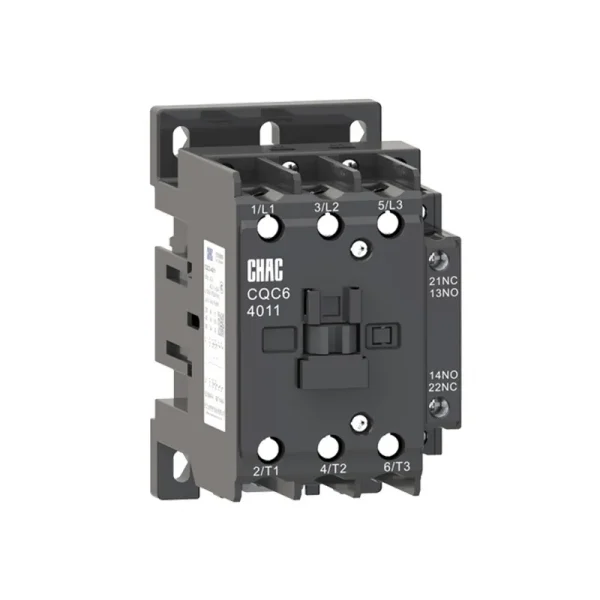
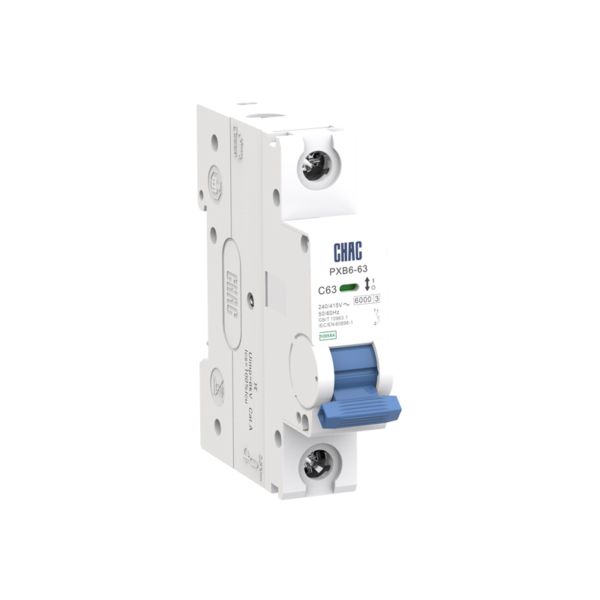
For a workshop budget, assume four loads with 2.2 kW electrical input each, running 10 hours a day for 26 days at an average 75% load factor. At an illustrative flat tariff of USD 0.12/kWh, the calculator returns 1,716 kWh and USD 205.92 per month. CHAC CQC6 contactors and PXB6-63 breakers concern switching and protection; their ampere ratings do not describe this energy consumption. Replace the assumed schedule and tariff with actual operating records for a project budget. The estimate excludes demand charges, taxes and fixed fees, and makes no product energy-saving claim.
Data produk: Produsen Kontaktor AC Industri Seri CQC6 OEM · PXB6-63 Pemutus Sirkuit Miniatur
Produk CHAC terkait
Browse switching and protection equipment for the load. Product ampere ratings do not determine energy consumption.