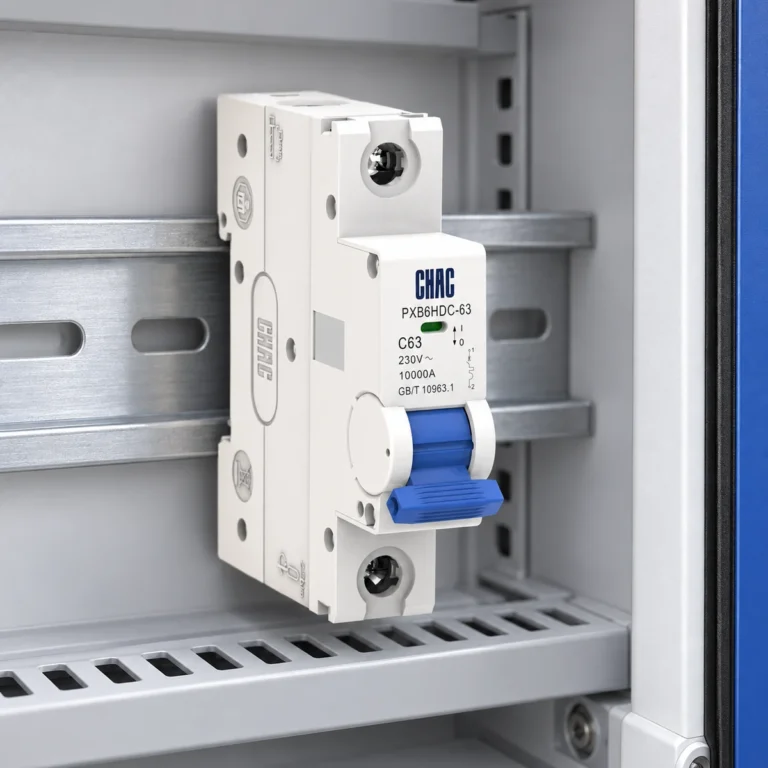
Rodzaje wyłączników DC
Niniejszy przewodnik wyjaśnia rodzaje wyłączników prądowych wraz z praktycznymi wskazaniami dotyczącymi wyboru, instalacji, koordynacji oraz kontroli zgodności dla globalnych nabywców elektrycznych.


Niniejszy przewodnik wyjaśnia rodzaje wyłączników prądowych wraz z praktycznymi wskazaniami dotyczącymi wyboru, instalacji, koordynacji oraz kontroli zgodności dla globalnych nabywców elektrycznych.
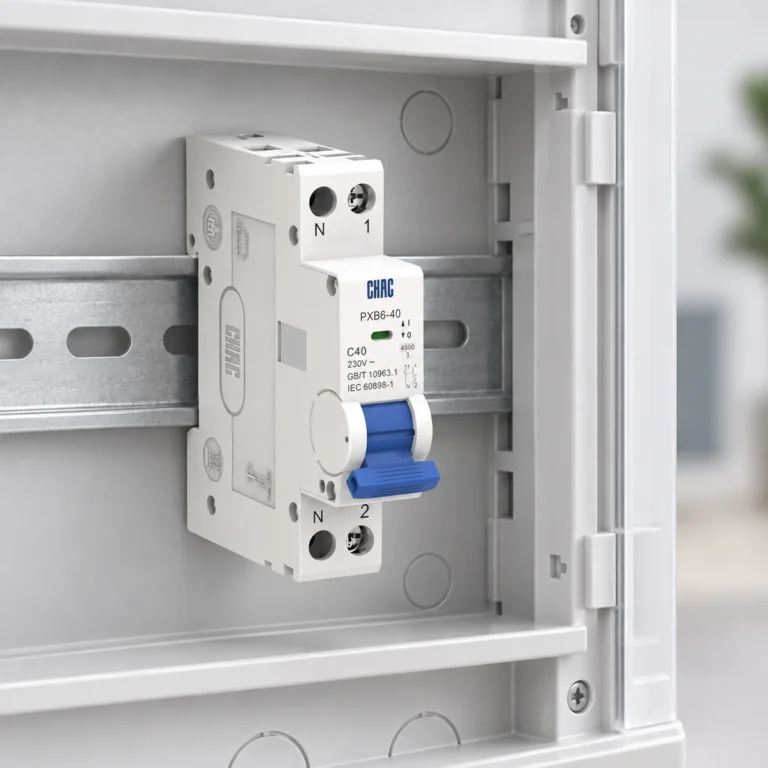
Niniejszy przewodnik wyjaśnia konstrukcję DPN 1P+N wraz z praktycznym wyborem, instalacją, koordynacją oraz kontrolami zgodności dla globalnych kupujących elektrycznych instalacji.
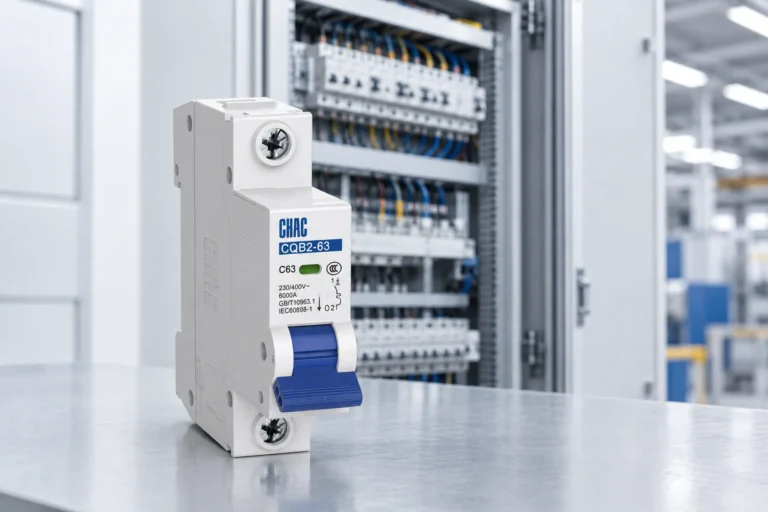
Niniejszy przewodnik wyjaśnia funkcje i zalety mini-przełączników DC oraz sprawdza ich właściwe wybór, połączenie, koordynację oraz zgodność z normami dla globalnych nabywców energii elektrycznej.
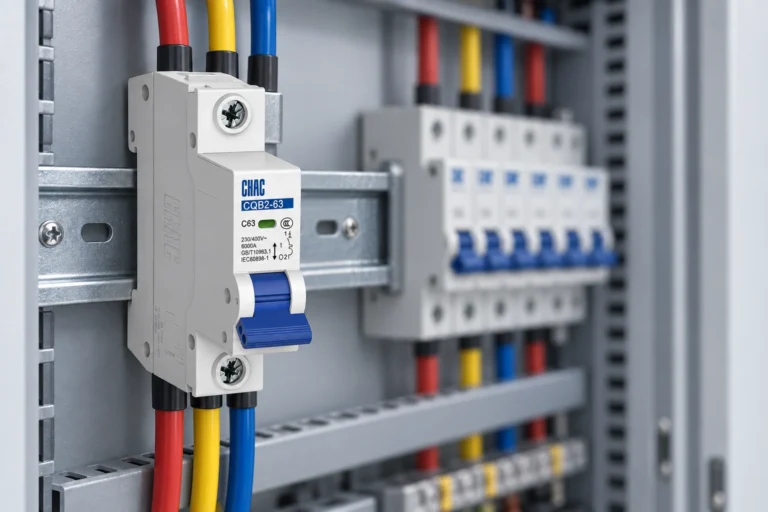
Niniejszy przewodnik wyjaśnia zastosowania przekaźników MCB z trzema biegunami wraz z praktycznymi wskazaniami dotyczącymi wyboru, instalacji, koordynacji oraz kontroli zgodności dla globalnych nabywców elektrycznych.
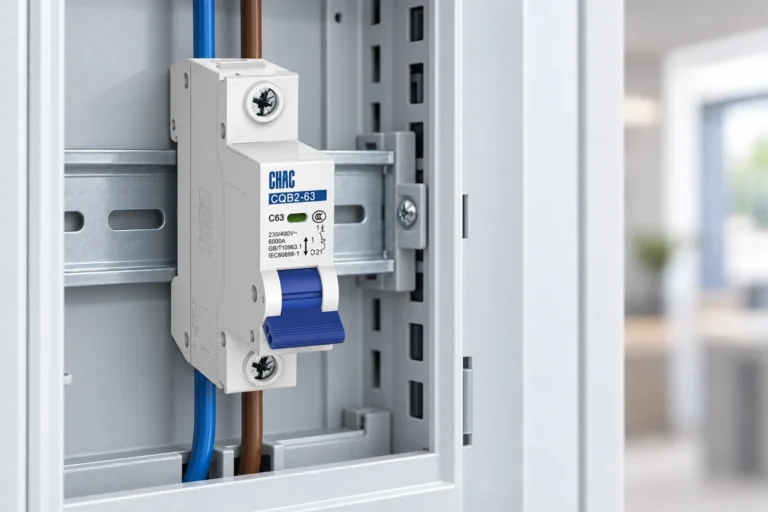
Niniejszy przewodnik wyjaśnia zastosowania zasilania dwupola 40A wraz z praktycznymi wskazówkami dotyczącymi wyboru, instalacji, koordynacji oraz kontroli zgodności dla globalnych nabywców energii elektrycznej.
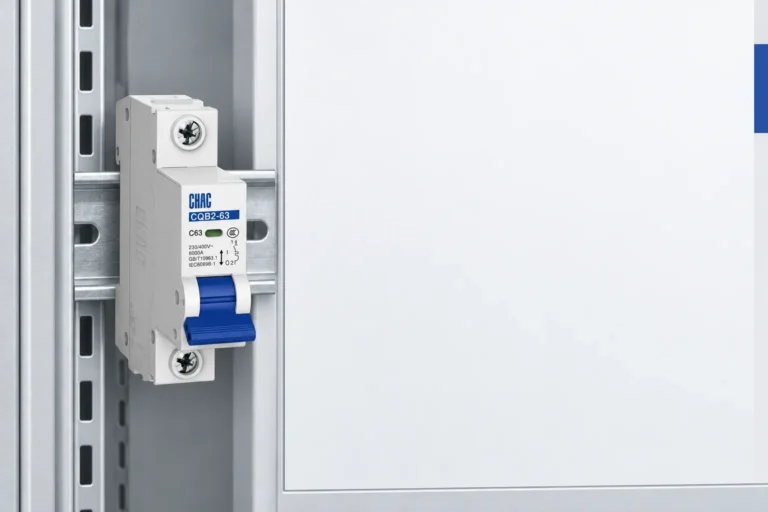
Ninniejszy przewodnik wyjaśnia symbole schematyczne wyłączników nadprądowych (MCB) wraz z praktycznymi wskazówkami dotyczącymi doboru, okablowania, koordynacji oraz weryfikacji zgodności z normami dla globalnych nabywców sprzętu elektrycznego.
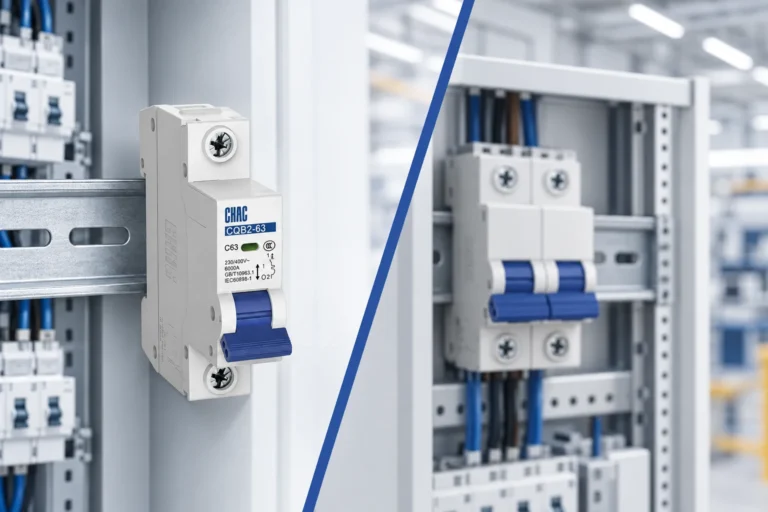
Niniejszy przewodnik wyjaśnia, jak wybrać i podłączyć pojedyncze i podwójne przekaźniki MCB, a także przedstawia procedury kontroli zgodności dla globalnych nabywców energii elektrycznej.
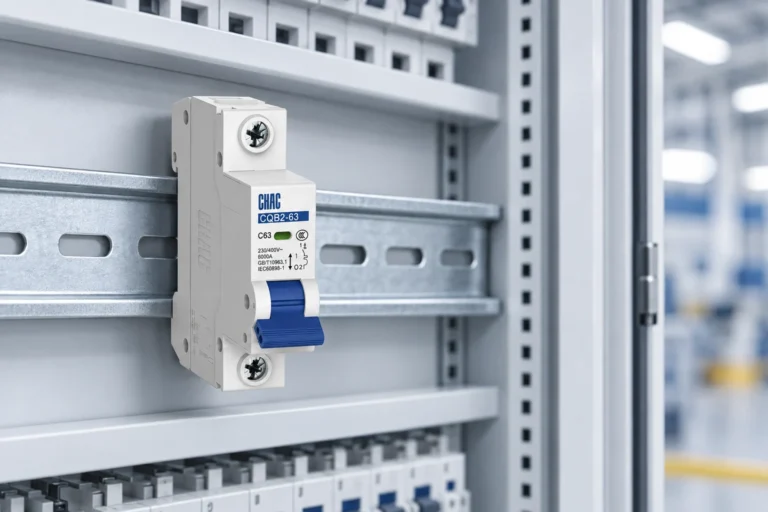
Ten przewodnik wyjaśnia okablowanie wyłączników nadprądowych (MCB) wraz z praktycznym doborem, okablowaniem, koordynacją oraz kontrolą zgodności z przepisami dla globalnych nabywców sprzętu elektrycznego.
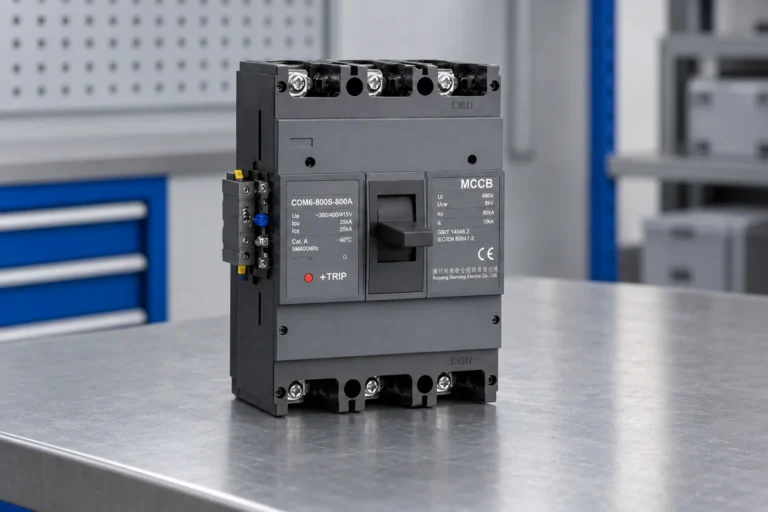
Niniejszy przewodnik wyjaśnia proces renowacji wyłączników niskonapięciowych, obejmujący kontrolę, zatwierdzone części, testy oraz decyzje dotyczące bezpiecznego ponownego uruchomienia instalacji.