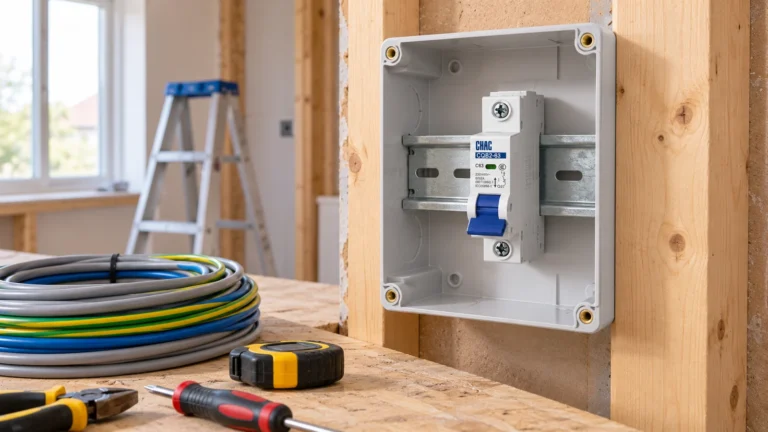
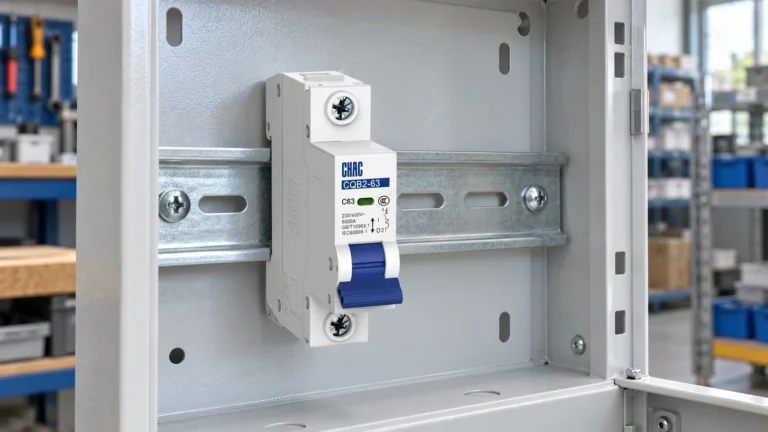
A tripped bathroom outlet can look like an ordinary overload problem, especially when the connected appliance still works on another circuit. Replacing the device or moving the appliance may restore power without resolving the underlying leakage or wiring issue. The first step is understanding what the protective device is actually intended to detect. “GFCI” describes a personnel-protection function, not just a receptacle with two extra buttons. This guide explains the acronym, the current imbalance behind its operation, the difference between a GFCI outlet and a GFCI breaker, and the information a buyer needs before selecting a device for a particular market.
GFCI stands for ground-fault circuit interrupter. It monitors the balance of current flowing through the circuit conductors and disconnects the protected circuit when a qualifying imbalance occurs. In US Class A applications, manufacturer guidance identifies a 4–6 mA operating band under UL 943. That sensitivity is different from the amperage rating of the branch circuit. A GFCI receptacle generally does not replace overload or short-circuit protection; a GFCI circuit breaker combines those functions in one approved device. Verify the device type, circuit rating and locally adopted installation requirements before buying.
What does GFCI stand for in electrical terms?
The final word is “interrupter,” not “interference.” Thus the statement “GFCI stands for ground fault circuit interference” is false. GFI is also used informally for ground-fault protection, but procurement documents should identify the actual device and standard rather than rely on an abbreviation.
Phần meaning of GFCI is easiest to understand by distinguishing amperes from milliamperes. A 20 A circuit rating describes the branch-circuit load context. A few milliamperes of residual imbalance concern a different protection function. A device can therefore trip for a leakage problem while the total load remains well below the ordinary breaker’s overload threshold. Leviton’s personnel-safety guidance identifies the Class A threshold and distinguishes relevant application contexts.
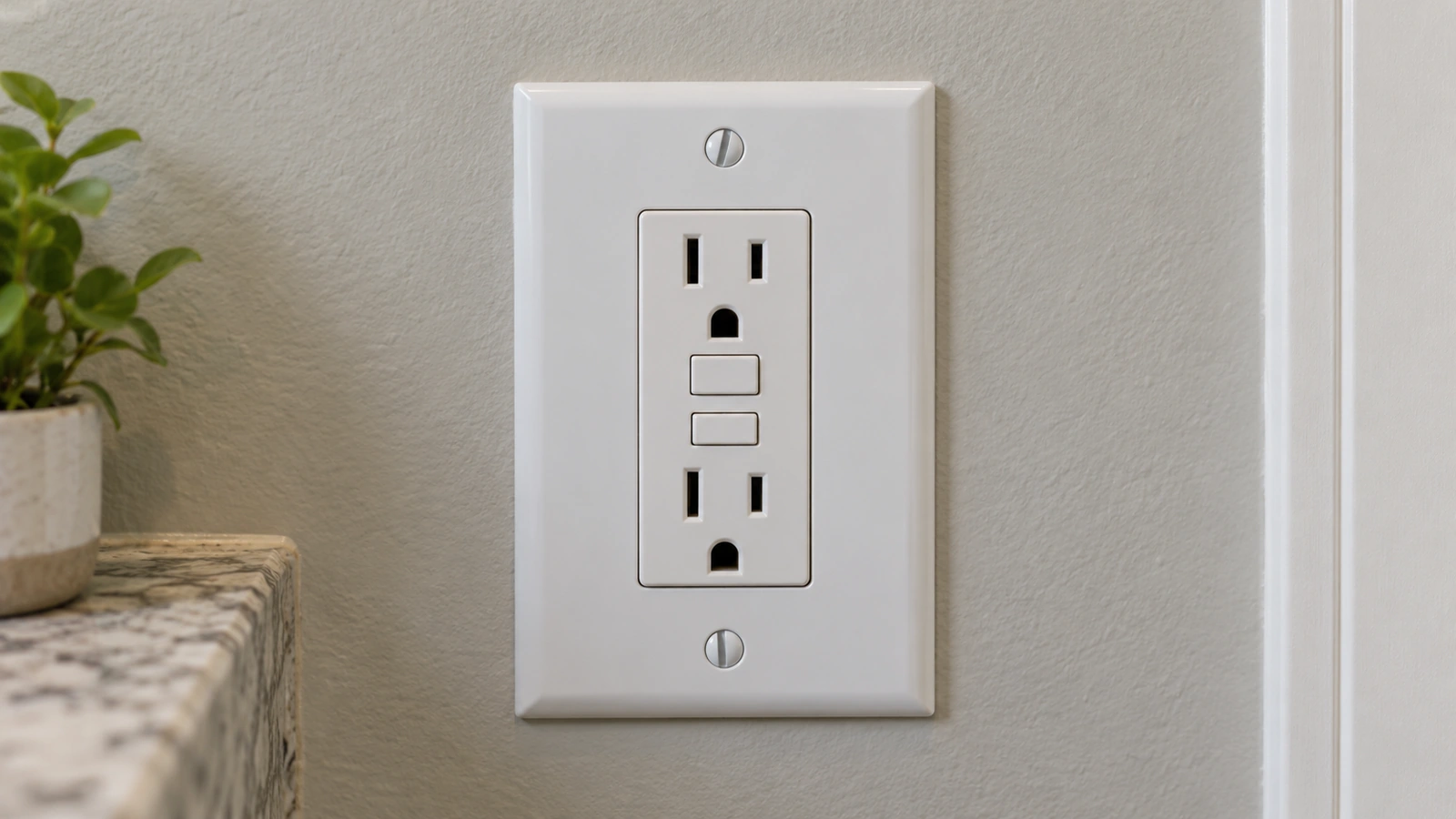
How does a GFCI detect current taking an unintended path?
The device compares current on the conductors passing through its sensing arrangement. In normal operation their currents balance. Current returning by another path can create an imbalance, prompting a trip when the device’s operating criteria are met. This is a functional explanation, not a wiring diagram or a claim that every possible shock will be detected.
In particular, a GFCI is not a substitute for safe isolation, correct grounding and bonding, or suitable equipment. A shock involving current that leaves and returns through the monitored circuit conductors may not create the imbalance needed for operation. Equipment should not be treated as safe simply because a GFCI is present.
How is a GFCI outlet different from a GFCI breaker?
| Device | Primary role | Important limitation |
|---|---|---|
| Ordinary circuit breaker | Chống quá tải và ngắn mạch | Does not imply Class A GFCI protection |
| GFCI receptacle | Ground-fault personnel protection at the device and permitted downstream connections | Requires appropriate upstream overcurrent protection |
| GFCI circuit breaker | Overcurrent and GFCI protection in one listed device | Must be approved for the panel and circuit |
| Dual-function AFCI/GFCI device | Two distinct protective functions | Verify both functions and compatibility explicitly |
A downstream outlet is protected only when the circuit has been connected in the arrangement permitted by the GFCI instructions. The presence of a nearby TEST button does not prove which outlets are covered. Qualified personnel should identify the circuit, verify the manufacturer instructions and test the protected locations. The GFCI ground fault interrupter designation should always be tied to the exact protected circuit.
How do you find out which outlets one GFCI actually protects?
Turn the protection boundary into a location record. During an authorized check following the device instructions, identify the GFCI, the outlets supplied through its permitted downstream connection and the location where it can be tested and reset. Record the result by room or outlet identifier. A device in a garage may protect another location; proximity to the outlet is not a reliable way to identify that relationship.
Keep the record with the circuit schedule and repeat the relevant checks after an outlet or GFCI is replaced. Compare the actual terminal markings with the new model’s instructions, rather than copying the physical position of wires from the old device. Leviton’s support guidance specifically identifies reversed LINE and LOAD connections as a replacement problem. This verification establishes the intended protection coverage; it does not replace safe isolation or prove that every aspect of the circuit is compliant.
Why might a GFCI trip or refuse to reset?
Moisture, damaged appliance insulation, cumulative equipment leakage and downstream wiring faults can all require investigation. A new installation that will not reset may also have LINE and LOAD reversed, no supply power or a device that cannot provide protection. Leviton’s GFCI support page describes reset lockout, self-testing and model-dependent indicator behavior. Do not assign the same LED meaning to every brand.
Do not repeatedly reset an unexplained trip, bypass protection or move a suspect appliance to an unprotected outlet. Disconnecting plug-in loads can help a qualified investigation distinguish the load from the fixed circuit, but opening boxes and changing wiring should follow proper isolation and verification procedures. Intermittent faults deserve attention even when the reset button appears to restore normal service.
| Observation | Useful question | Next verification |
|---|---|---|
| Trips with one appliance | Does the event follow that appliance? | Appliance insulation and operating conditions |
| Trips after rain or cleaning | Could moisture reach equipment or wiring? | Ingress source and suitability for location |
| New device will not reset | Is supply present and wiring correct? | Manufacturer instructions and LINE/LOAD identification |
| Trips with several loads together | Are leakage currents accumulating? | Measured leakage and circuit arrangement |
What should be planned for a GFCI serving an unattended appliance?
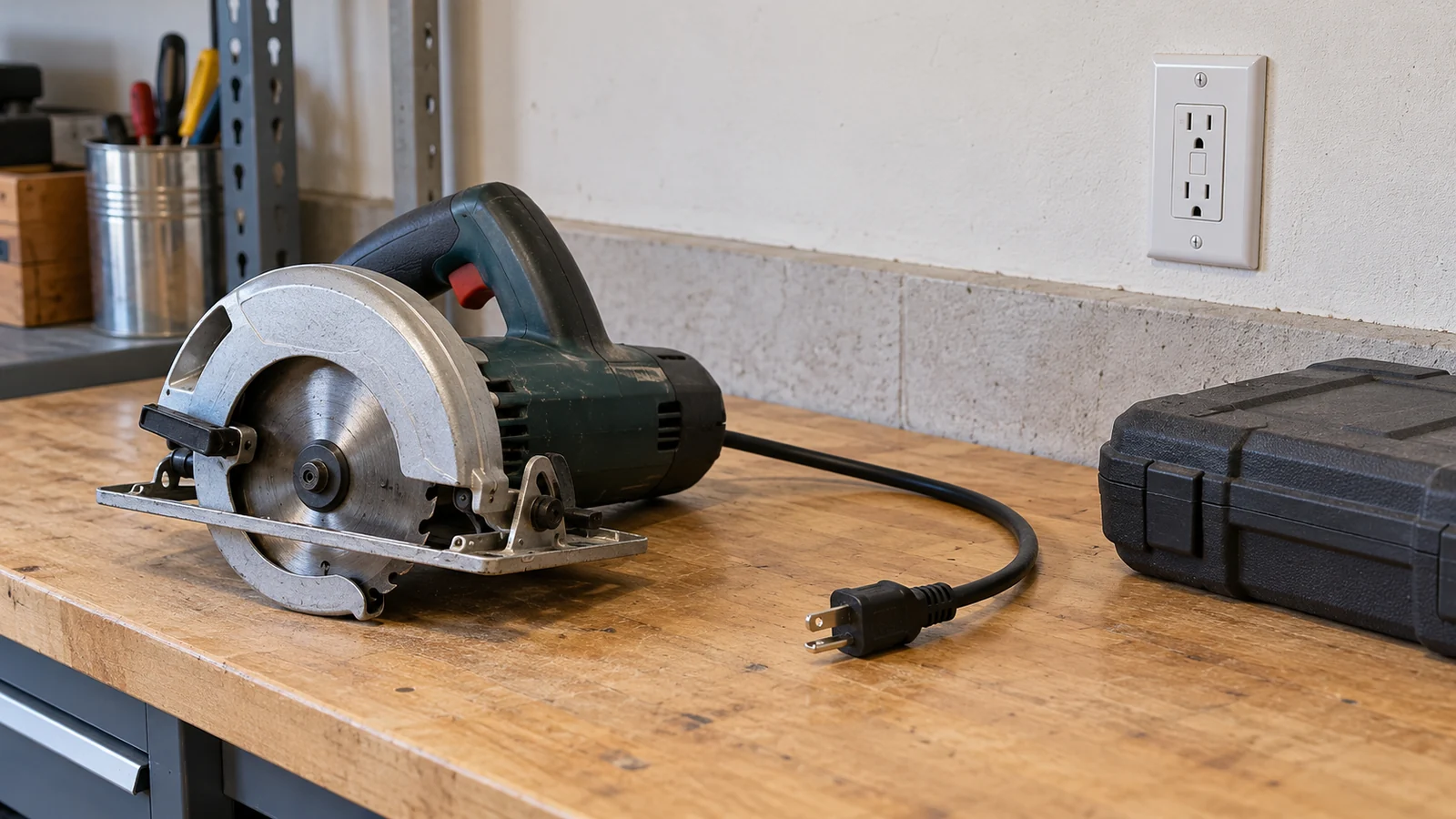
For an appliance that may run while nobody is present, plan how a loss of supply will be noticed and who can investigate it. Keep the required test and reset point accessible. Where appropriate, evaluate a product with an audible alert or a suitable monitoring arrangement using its actual instructions. An alarm is a notification feature, not another protective function or permission to omit required GFCI protection.
Leviton’s range includes audible-alert and connected GFCI options, but those features are model-specific. Do not promise an alert from an ordinary receptacle, or assume a network notification will remain available during a power or communications failure. The practical specification separates required personnel protection, circuit coverage and notification needs. This addresses the consequence of an unnoticed outage without treating repeated trips as a reason to move an appliance to an unprotected supply.
Where is GFCI protection required, and can an IEC device substitute?
Bathrooms, kitchens, garages, outdoor locations and other specified areas are common US code contexts, but the adopted NEC edition, occupancy, circuit and local amendments determine the exact requirement. Older manufacturer summaries are useful background, not proof of the current rule in every jurisdiction. Confirm the applicable edition with the authority having jurisdiction.
For international projects, compare the protection functions before comparing product names. CHAC publishes residual-current circuit breakers with overcurrent protection and separate Bộ ngắt mạch thu nhỏ. An IEC RCBO or a Type A residual-current device must not be described as a UL 943 Class A GFCI without the relevant product evidence. The words “Type A” and “Class A” do not establish equivalence.
What do buyers ask about GFCI protection?
What should not be plugged into a GFCI?
There is no universal appliance blacklist that justifies bypassing required GFCI protection. Check the equipment instructions, correct circuit and adopted rules; investigate repeated tripping rather than removing protection.
Do I need an electrician to replace a GFCI outlet?
Local rules determine who may perform the work, and correct isolation, LINE/LOAD identification and testing are essential. Use a qualified electrician when the circuit, supply, grounding or downstream arrangement is uncertain.
What causes GFCI outlet to trip?
A qualifying current imbalance can result from moisture, damaged insulation, leakage from connected equipment or wiring faults. A trip alone does not identify which cause is present.
What is a ground fault circuit interrupter?
It is a device that interrupts the protected circuit when its ground-fault detection conditions are met. For US personnel protection, verify the appropriate Class A device and product standard.
What is a ground fault circuit interrupter and how does it work?
It monitors the balance of current in the circuit conductors and operates when an imbalance meets its trip criteria. It does not replace all other forms of circuit or shock protection.
Where is a ground fault circuit interrupter required?
The adopted installation code and local amendments determine the required locations and circuits. Wet or damp locations are common contexts, but the answer also depends on occupancy, equipment and code edition.
Tham khảo
- Leviton GFCIs for Personnel Safety, including dated code examples; accessed October 19, 2026
- Leviton GFCI Outlets and Receptacles, self-test and troubleshooting guidance; accessed October 19, 2026
- Leviton commercial GFCI receptacles; accessed October 19, 2026
Conclusion
GFCI means ground-fault circuit interrupter, and its purpose is to detect a qualifying current imbalance rather than simply a large load. Establish the required protection function before choosing between a receptacle, breaker or dual-function device. Then verify the circuit arrangement, panel compatibility, installation instructions and locally adopted code. Do not treat a successful reset as proof that an unexplained fault has disappeared, or substitute a differently standardized device because its name sounds similar. CHAC provides published MCB and RCBO information for projects evaluating IEC distribution products. That information supports a clearly specified comparison, while US Class A GFCI suitability still requires evidence for the exact device and intended installation.
For the relevant model drawings and project documentation, contact CHAC with the circuit requirements.