MPCB và Aptomat khối Chúng không phải là các nhãn thay thế cho nhau để chỉ cùng một chế độ làm việc của động cơ. Quy trình đánh giá MPCB thường bắt đầu từ một nhánh động cơ riêng lẻ và đặc tính quá tải, ngắn mạch cũng như khởi động của nó. Quy trình đánh giá MCCB thường bắt đầu từ một đường cấp nguồn hoặc giới hạn phân phối dòng điện cao hơn, mặc dù MCCB cũng có thể được sử dụng trong mạch động cơ nếu bộ tác động và khả năng phối hợp của nó phù hợp.
Những chức năng bảo vệ nào thuộc về nhánh động cơ?
Tách biệt các chức năng bảo vệ quá tải, bảo vệ ngắn mạch, đóng cắt, cách ly và điều khiển. Dòng điện định mức trên nhãn động cơ, phương pháp khởi động, thời gian tăng tốc, thông số cáp và dòng sự cố dự kiến cung cấp đầy đủ bối cảnh; chỉ riêng kích thước khung vỏ là chưa đủ.
Khi nào thì một cuộc rà soát do MPCB dẫn dắt là hợp lý?
Một MPCB có thể phù hợp với một nhánh động cơ riêng lẻ khi dải chỉnh định quá tải, khả năng chịu ngắn mạch và các đặc tính khởi động của nó tương thích với động cơ đó. Cần kiểm tra xem mẫu sản phẩm có cung cấp chức năng đóng cắt hoặc cách ly theo yêu cầu của bản vẽ hay không, thay vì mặc định rằng mọi thiết bị bảo vệ động cơ đều có cùng phạm vi ứng dụng. Do đó, trong yêu cầu về cầu dao bảo vệ động cơ cần nêu rõ chế độ làm việc của động cơ, phương pháp khởi động cũng như sơ đồ sử dụng contactor hoặc rơle quá tải dự kiến. Các nhãn hiệu như “cầu dao mạch động cơ” hay “cầu dao định mức cho động cơ” không đủ để xác định những chức năng bảo vệ nào được tích hợp.

Khi nào thì một cuộc rà soát do MCCB dẫn dắt là hợp lý?
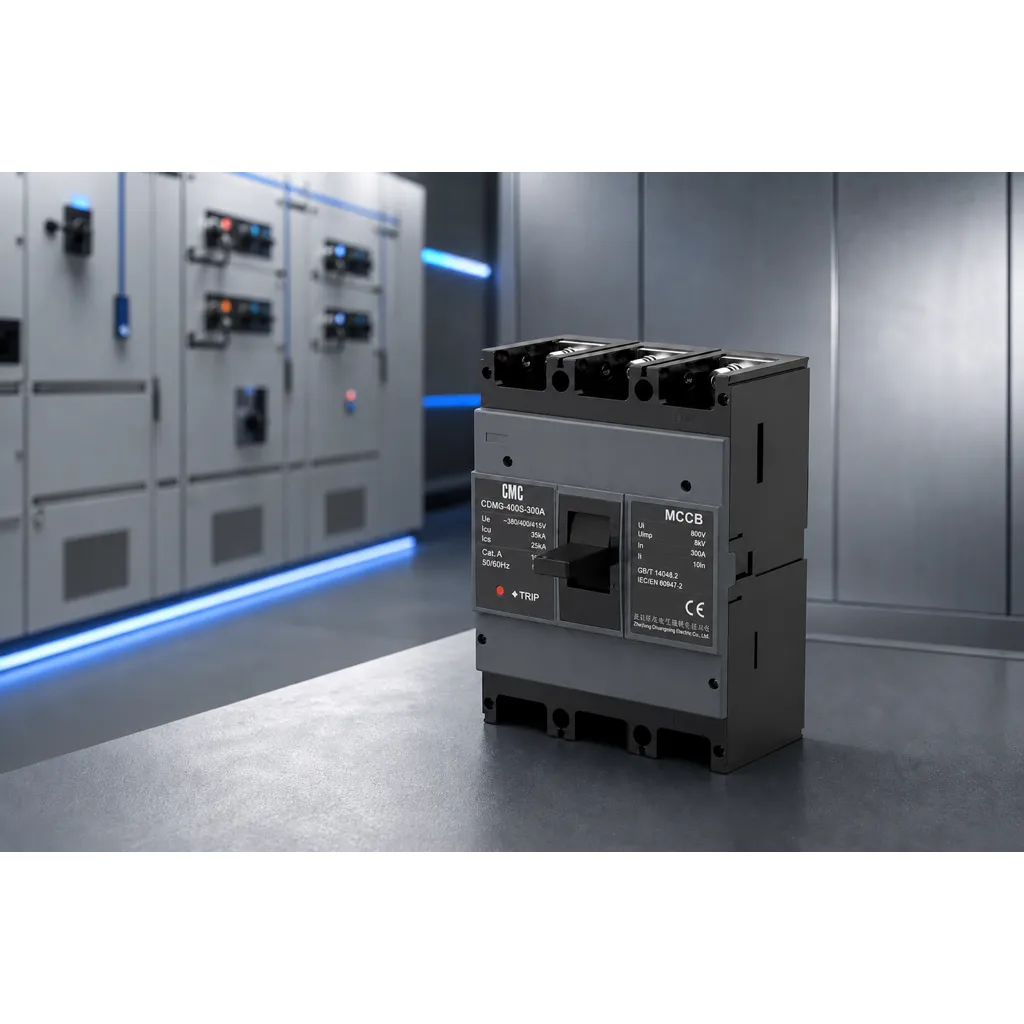
MCCB thường được lựa chọn cho các đường cấp nguồn, các đoạn phân phối có công suất lớn hoặc các mạch động cơ, nhờ vào khả năng tùy chọn khung vỏ, bộ tác động và các phụ kiện đi kèm. Thiết bị bảo vệ nhiệt – từ có thể cung cấp chức năng bảo vệ quá tải khi được lựa chọn đúng; trong khi thiết bị chỉ có tính năng bảo vệ từ sẽ không tự cung cấp chức năng này.
Which drawing checks prevent the duties from being merged?
Mark the motor branch, upstream feeder, contactor, overload device, protective-earth path and isolation point. Then check the manufacturer’s tested coordination table for the actual starter combination, voltage and prospective short-circuit current. Do not infer coordination by adding the individual ratings.
What information makes a supplier comparison useful?
Include motor rating and full-load current, starting method, number of starts, supply voltage, fault level, ambient conditions, contactor arrangement, required reset behaviour and the coordination evidence requested. This is more precise than asking for an MPCB or MCCB by nominal frame size.
Which CHAC product routes can be reviewed?
Sử dụng CQV2 motor-protection circuit breaker page for an MPCB starting point and the CQM6 MCCB information for the feeder-side comparison. The selected model still needs to be matched to the approved motor circuit.
Who owns the final protection boundary?
The responsible project electrical designer owns the final boundary, including whether a contactor, overload relay, MPCB or MCCB performs each function. IEC 60947-4-1 và IEC 60947-2 provide standards context, but the exact product and coordination evidence control the project decision.
A clear motor Bảo vệ nguồn cấp dữ liệu schedule should show the boundary between feeder protection, motor-branch protection and control switching, along with the evidence used for coordination.
That separation is particularly important when the same panel contains several motors with different starting methods. One branch’s settings cannot be copied to another without checking nameplate current, starting behaviour and the selected coordination table.
Keep the motor branch coordination note with the approved drawing so a later replacement does not silently change the overload, short-circuit or contactor relationship.
Câu hỏi thường gặp
Can an MPCB and an MCCB be compared by frame size alone?
No. Compare documented duties against the motor or feeder drawing first.
Does an MCCB automatically protect every motor branch?
No. Motor-branch protection must be confirmed from the design and the selected model.
What motor data belongs in the RFQ?
Include motor rating information, starting method, cable context, and the protection functions assigned on the drawing.
How does this differ from contactor coordination guidance?
Coordination with a contactor is a related but separate review once the protective-device duty is defined.
What evidence should suppliers return?
Return proposed model identification and the documents that support the requested protection duties only.
Who owns the final protection boundary?
The responsible project electrical designer owns the boundary using the approved drawings and selected-model data.