Công cụ tính toán tải bảng phân phối
Công cụ tính toán phụ tải điện cho tủ phân phối: ước tính công suất tiêu thụ theo kW, kVA, dòng điện cấp nguồn và dung lượng dự phòng cho hệ thống cung cấp điện một pha hoặc ba pha cân bằng.
Cộng bốn nhóm phụ tải bằng cách sử dụng hệ số công suất và hệ số nhu cầu của chúng, sau đó kiểm tra dòng điện trên đường dây cấp nguồn và dung lượng dự phòng để đảm bảo bảng phân phối được cân bằng.
Kết quả
Dòng điện cấp ước tính
35.74AĐã đạt mục tiêu dự trữ hiện tạiPdem = Σ(P × demand); Qdem = Σ(Pdem × tan acos PF); S = √(Pdem² + Qdem²); I = S × 1,000 / (K × V)Các yếu tố về nhu cầu chính là các giả định của bạn. Tất cả các nhóm đều được coi là có độ trễ như nhau về mặt cung cấp và được cân bằng ở chế độ ba pha. Dòng điện dự phòng không xác định khả năng chịu nhiệt, khả năng chịu sự cố hoặc dung lượng dự phòng vật lý.
Tại sao lại có kết quả như vậy?
Công thức và phương pháp
Công cụ tính toán phụ tải điện cho tủ phân phối: ước tính công suất tiêu thụ theo kW, kVA, dòng điện cấp nguồn và dung lượng dự phòng cho hệ thống cung cấp điện một pha hoặc ba pha cân bằng.
Cách sử dụng máy tính này
- Nhập công suất đầu vào điện (kW), hệ số công suất lag và hệ số nhu cầu hợp lý cho từng nhóm. Đối với các nhóm không sử dụng, hãy nhập giá trị 0 kW.
- Chọn điện áp nguồn và số pha. Chế độ ba pha giả định tải cân bằng.
- So sánh dòng điện cấp ước tính, dòng điện dự phòng và thông số định mức tham chiếu với bảng điện và hệ thống lắp đặt thực tế.
Giới hạn tính toán
Không áp dụng bất kỳ khoản giảm tải tự động theo NEC/IEC, phân bổ pha, đánh giá dòng điện trung tính do sóng hài, quy tắc cấp nguồn cho động cơ hoặc kiểm tra tăng nhiệt của tủ điện. Hệ số công suất dẫn và các hệ thống cung cấp điện hỗn hợp nằm ngoài phạm vi mô hình này.
Tính toán phụ tải điện cho tủ phân phối
Đối với mỗi nhóm phụ tải, công cụ áp dụng hệ số nhu cầu vào công suất đầu vào điện tính theo kW và suy ra công suất phản kháng trễ dựa trên hệ số công suất. Công cụ tổng hợp công suất tác dụng và công suất phản kháng trước khi tính toán tổng kVA. Công cụ không đơn thuần cộng các giá trị kW và kVA khác loại với nhau.
Ghi chú nhập
| Input | Những điều cần kiểm tra |
|---|---|
| Bốn nhóm tải | Sử dụng công suất điện đầu vào cho chiếu sáng, ổ cắm, động cơ và các phụ tải khác. Nhập giá trị 0 kW cho nhóm không sử dụng. |
| Hệ số công suất và nhu cầu | Nhu cầu là một giả định của người dùng. Tất cả các hệ số công suất được nhập đều là giá trị lệch pha theo hướng trễ; các tải dẫn hoặc bị méo hài cần sử dụng một mô hình khác. |
| Đánh giá của hội đồng và dự trữ | Dự trữ là công suất hiện tại chưa sử dụng. Mục tiêu 20% có nghĩa là nhu cầu tính toán không được vượt quá 80% của định mức dòng điện đã chọn. |
Ví dụ thực tế · giá trị dạng ban đầu
Bảng mạch V cân bằng 400 với ba nhóm tải hoạt động
Lighting: 5 kW / PF 0.95 / 100%; sockets: 10 kW / PF 0.90 / 60%; motor input: 11 kW / PF 0.85 / 100%
Demand active power = 5 + 10 × 0.60 + 11 = 22 kW.
Q = 11.3665 kvar; S = 24.7628 kVA; I = 24,762.8 / (√3 × 400) = 35.74 A.
35.74 A
At the stated inputs, compare the estimated feeder current with the entered board rating. The result is not a phase schedule, motor-feeder code calculation or temperature-rise check.
Electrical load calculation: connected load and demand load
Connected load is the sum of the equipment’s electrical input ratings. Demand load applies the project’s expected simultaneous-use factors. In this electrical load calculator, lighting, sockets, motors and other loads each have their own input kW, power factor and demand factor.
For a 10 kW socket group with an entered demand factor of 60%, the group contributes 6 kW to active demand. That assumption must come from the project; the tool does not supply a residential code schedule. For motors, convert shaft output to electrical input using efficiency before entering kW.
Electrical panel load: why kW and kVA are different
For each lagging load group, reactive power is Q = P × tan(arccos(PF)). Add the groups’ demand kW and kvar separately, then calculate apparent power S = √(P² + Q²). This retains the effect of different power factors instead of averaging them without weighting.
Feeder current is 1,000 × S / V for single-phase supply, or 1,000 × S / (√3 × V) for a balanced three-phase supply, with S in kVA. The example totals 22 kW and 11.37 kvar, giving 24.76 kVA and 35.74 A at 400 V three-phase.
Distribution board capacity and room for future loads
A reserve target describes how much of the chosen current rating remains unused. Keeping 20% available means using no more than 80% of the rating. For the example’s 35.74 A demand, the corresponding rating reference is about 44.68 A before selecting an actual assembly and protective device.
An electrical distribution board also has physical, thermal and fault-duty limits. Check incoming protection, busbar rating, enclosure conditions and available circuit ways. A balanced feeder estimate cannot identify the highest-loaded phase when individual single-phase circuits are distributed unevenly.
Spare amperes are not spare ways
- The available current shown here does not identify spare DIN modules, busbar temperature margin or permitted fault duty. Review those against the complete distribution assembly.
- Three-phase loads are assumed balanced. Individual single-phase circuits, harmonics and neutral current can make the most heavily loaded conductor more limiting than this equivalent current.
Các câu hỏi thường gặp
Are the demand factors taken from NEC or IEC?
No. You supply them for the actual project. The initial example is not a prescribed diversity schedule.
Does 20% reserve mean multiplying demand by 1.20?
No. Here it means keeping demand at or below 80% of rating, so the current-rating reference is demand current divided by 0.80.
Should motor shaft kW be entered directly?
No. Enter electrical input kW. Convert shaft output using efficiency first, or use measured input power.
Can this show which phase is overloaded?
No. Three-phase mode uses a balanced equivalent. A phase-by-phase circuit schedule is needed to identify unbalance or the highest phase current.
Can this electrical panel load calculator replace a residential code worksheet?
No. It uses your entered demand factors rather than a prescribed residential calculation method. Use the relevant local rules and project data to establish demand before comparing the electrical distribution board rating.
Why does spare current capacity not tell me how many circuits I can add?
Additional circuits need space and suitable protection as well as current capacity. Their demand, phase allocation, cable routes and the assembly’s thermal and fault ratings must also be checked.
Cần giúp đỡ trong việc lựa chọn sản phẩm CHAC?
Hãy gửi hệ số điện áp, dòng tải và điều kiện lắp đặt của hệ thống cùng với yêu cầu của bạn.
Ví dụ ứng dụng · Các thông tin minh họa
Separating connected load from workshop distribution demand
For a workshop-board example, enter 8 kW of lighting, 12 kW of socket loads, 15 kW of motor electrical input and 3 kW of other loads, at power factors 0.95, 0.90, 0.85 and 1.00. Applying 60% demand only to the socket group gives 33.20 kW demand and 52.83 A on a balanced 400 V supply. A 100 A study reference clears the entered 20% unused-current target. These are planning assumptions, not a CQMG20C assembly rating. Use the result when reviewing CHAC distribution boxes and protection, then check phase allocation, busbars, thermal conditions and the approved load schedule.
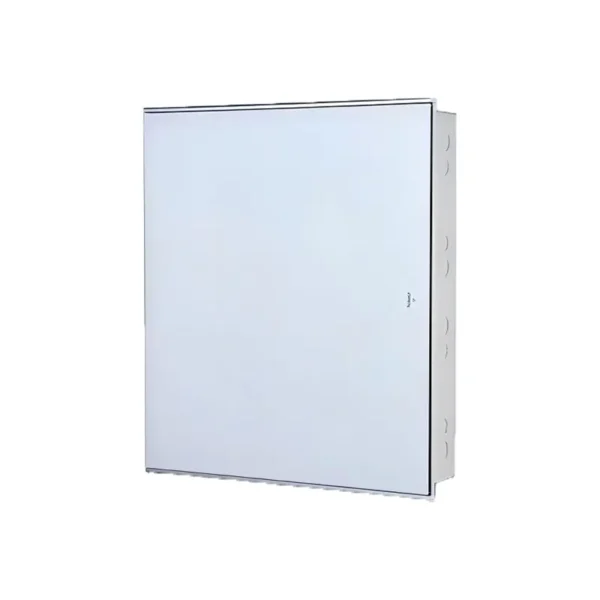
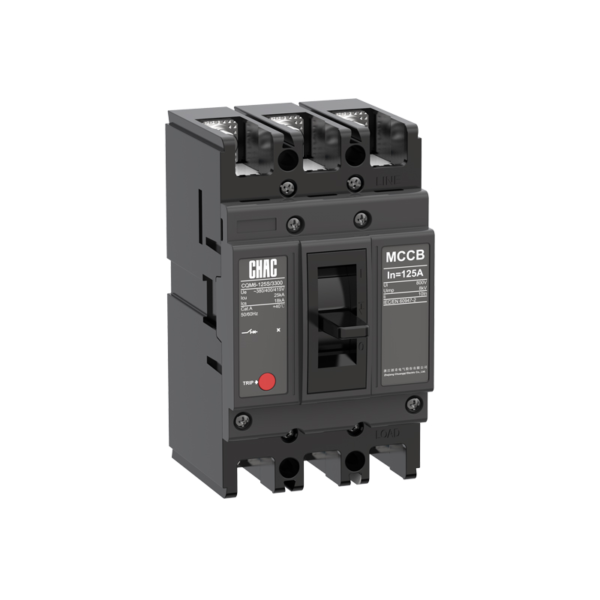
Thông tin sản phẩm: Tủ điện phân phối dòng CQMG20C · CQM6 Standard Molded Case Circuit Breaker (MCCB) Nhà sản xuất OEM
Các sản phẩm liên quan của CHAC
Review the distribution box and protective devices against the board’s calculated load and circuit layout.