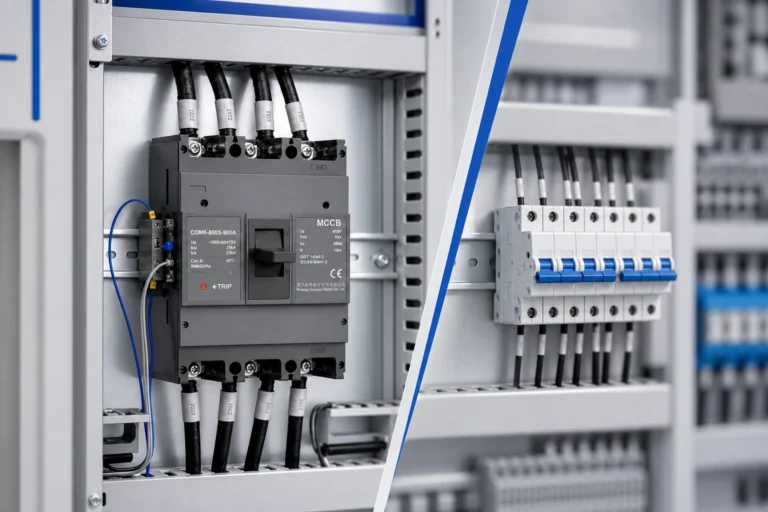
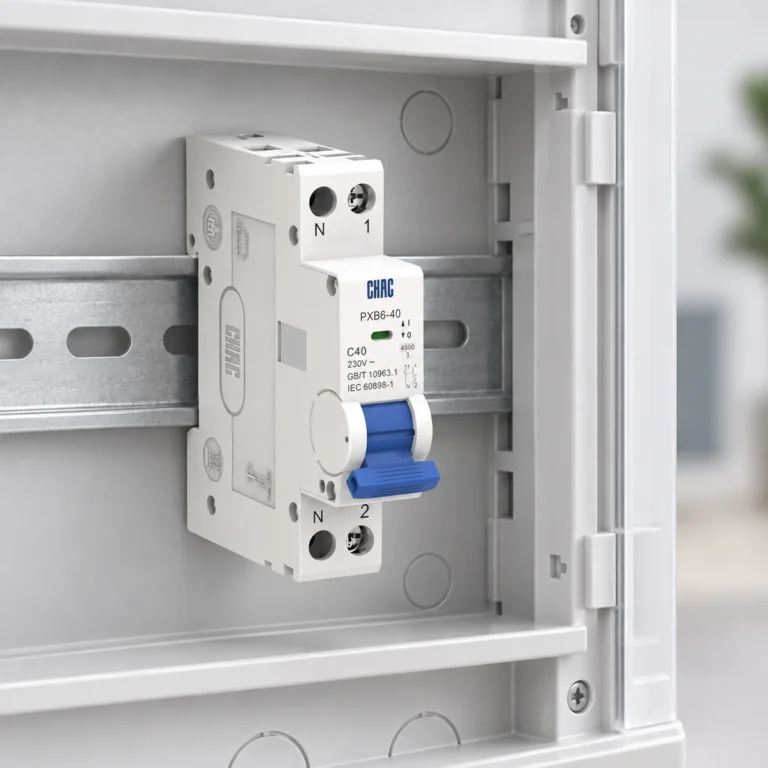
يبدأ العمل في اختيار القاطع التفاضلي المدمج (RCBO) أو قاطع التسرب الأرضي (RCCB) بدور الدائرة، ومتطلبات المشروع، وثائق النموذج المحدد. يساعد المقارنة بين RCBO و RCCB: كيف يفصل مصنعو لوحات التوزيع بين الحماية المدمجة والمجزءة مصنعي لوحات التوزيع في تنظيم تلك الفحصات قبل تحديد الجهاز أو إصدار طلب عرض الأسعار. يبقى الحد الفاصل بين الحماية المدمجة والمجزءة من التيار المتبقي مرتبطاً بالمخطط الأحادي ووثائق النموذج المحدد.
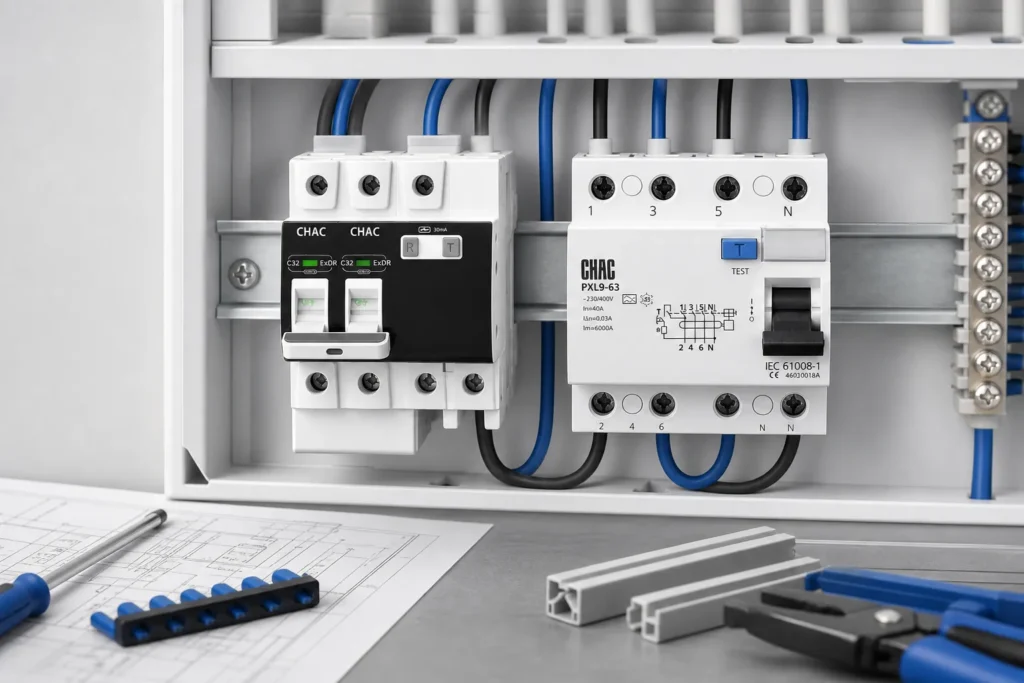
الجزء الأول. ما القرار الذي يدعم مراجعة قاطع الدائرة المتبقية المزود بالحماية من زيادة التيار (RCBO) مقارنة بقاطع الدائرة المتبقية (RCCB)؟
يستفسر تقييم قاطع الدائرة المتبقية المزود بحماية من التيار الزائد (RCBO) عما إذا كانت وظائف التيار المتبقي والتيار الزائد مخصصة في جهاز واحد، بينما يقرن تقييم قاطع الدائرة المتبقية (RCCB) عادةً استشعار التيار المتبقي بجهاز منفصل للتيار الزائد. والسؤال المفيد هو ما هي الواجبات الموثقة التي يخصصها التصميم، وليس أي تسمية تسويقية تبدو أكثر اكتمالاً.
الجزء 2. ما هي مدخلات الدائرة التي تكشف عن تقسيم دورة العمل؟
اجمع جدول الدائرة، والمخطط أحادي الخط، وقائمة الأحمال، وملاحظات الكابلات، والجهاز المنبع، وقاعدة المشروع التي تحدد الحماية من التيار المتبقي. تُظهر هذه المدخلات ما إذا كانت الحماية المدمجة مطلوبة على ذلك الفرع أم أن هناك ترتيباً مقسماً مقصوداً.
الجزء الثالث. كيف ينبغي للرسم أن يمنع الوظائف من الاندماج عن طريق الخطأ؟
ضع استشعار التيار المتبقي، وحماية فرط التيار، وترتيب الخط المحايد، والدوائر المشتركة في اتجاه التيار كمجالات منفصلة في ورقة المراجعة. هذا يمنع طلب تقديم العروض (RFQ) من مطالبة منتج واحد بتحمل رسوم غير موثقة.
مهم: لا تعامل القاطع التفاضلي (RCCB) وقاطع التيار المتبقي مع الحماية من التيار الزائد (RCBO) كمترادفات قابلة للتبادل في الكتالوج؛ يجب أن تتطابق وظائف التيار المتبقي والتيار الزائد المدمجة مع تصميم الدائرة المعتمد.المصدر — اكتشاف معايير الأجهزة ذات التيار المتبقي والتيار الزائد للجنة الكهroteتقنية الدولية (IEC)
الجزء 4. متى يظهر عادةً ترتيب قاطع الدائرة المتبقي المدمج (RCBO)؟
يظهر الترتيب المشترك عادةً عندما يتطلب التصميم حماية ضد التيار المتبقي والتيار الزائد لفرع معين في وحدة واحدة. قم بتأكيد الوظائف المطلوبة والوثائق قبل اعتبار أي قاطع تيار متبقي مزود بحماية من التيار الزائد (RCBO) بديلًا عالميًا لزوج يشتمل على قاطع تيار متبقي (RCCB) وقاطع عادي.
الجزء الخامس. ما الذي ينبغي تضمينه في طلب عرض الأسعار المقارن؟
اطلب من الموردين ربط واجب التيار الباقي، وواجب التيار الزائد، وترتيب الأقطاب، سياق التركيب، والرسومات، والوثائق بنموذج دقيق. ارفض الردود التي تجيب فقط باسم عائلة أو ادعاء عام للتيار الباقي.
تسهل قائمة إدخال طلب عرض الأسعار (RFQ) المدمجة مقارنة ردود الموردين:
| يجب على المشتري توفير | لماذا هذا مهم | خطأ شایع |
|---|---|---|
| مجموعة الرسومات الحالية | يحدد حدود الدائرة الكهربائية | إرسال اسم منتج بدون رسم توضيحي |
| الوظائف المطلوبة | تجعل الطلب قابلاً للمراجعة | التعامل مع الخيارات غير المؤكدة كمعايير قياسية |
| سياق التثبيت | يحدد شروط المشروع للتأكيد | باستراض أن نسخ الفئة يمثل موافقة على المشروع |
| طلب توثيق | يربط طلب عرض الأسعار بالدليل الدقيق | قبول المطالبات العامة بدلاً من بيانات النموذج |
| إرسال مع اقتباس | يجعل مقارنة الموردين قابلة للمراجعة | الاقتباس بدون حزمة الأدلة المطلوبة |
للحصول على سياق أوسع، راجع اختيار عائلة منتجات قاطع الدائرة التفاضلي (RCCB) مقابل قاطع الدائرة التفاضلي مع حماية من التيار الزائد (RCBO) والمتعلقة صفحة خط الإنتاج.
الجزء 6. أي مسار منتج لـ CHAC يبدأ مناقشة المصادر؟
استخدم مسار منتج PXB2Ln RCBO المنشور عندما يشير طلب السعر (RFQ) إلى الحماية المشتركة، واحتفظ بفئة قاطع الدوران المتبقي (RCCB) متاحة عندما يبقي الرسم استشعار التيار المتبقي منفصلاً. مسارات المنتجات هي أدوات مساعدة للتنقل بعد كتابة حد الواجب.
توصية بالمنتج
قاطع مدار مصغر إلكتروني للحماية من تسريب التيار سلسلة CQB3LE-63 | تشاك إلكتريك
سلسلة قواطع الدائرة الكهربائية للتسرب الكهرومغناطيسي PXL9-63 RCBO | شركة CHAC للكهرباء
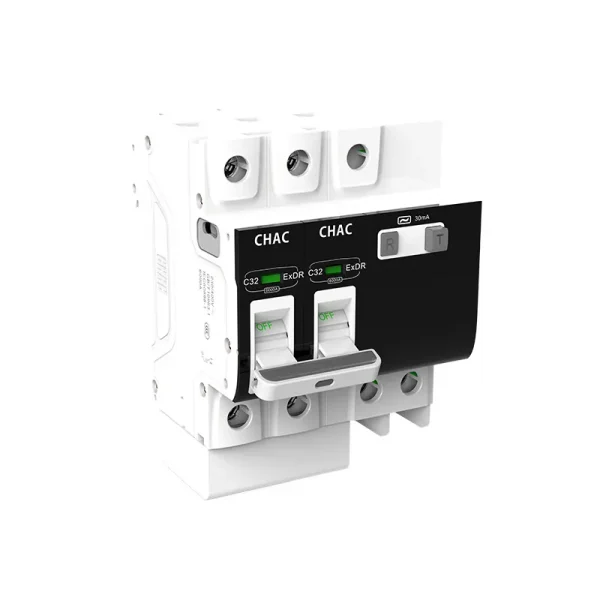

استخدم المنشور صفحة منتج CHAC ذات الصلة كمنطلق موثق لمسار المنتج لنقاش المنتج فقط بعد اكتمال مدخلات طلب عرض الأسعار (RFQ). يمكن لمشتري المعدات الأصلية (OEM) الذين يحتاجون إلى تغليف بقايا التيار (المانع للتيار) تحمل العلامة التجارية فتح صفحة تخصيص التوصيلات الكهربائية. لا يثبت جهاز التيار الباقي الذي يبدو مشابهًا ما إذا كانت حماية التيار الزائد مشمولة أم كيف يتم ترتيب مسار الاستشعار.
الجزء 7. أين يجب أن تعود مقارنة الأجهزة (RCBO/RCCB) إلى المصمم؟
تساعد هذه المقالة الفرق في كتابة طلب عروض أسعار (RFQ) أكثر وضوحاً والتيارات المتبقية. وهي لا تحدد حساسية الفصل، أو تثبت الانتقائية، أو تأذن بالتركيب بدون تعليمات النموذج المختار. احتفظ بملاحظة لمراجعة الرسم توضح ما إذا كانت مهام الحمل الزائد وقصر القوس الكهربائي تقع في نفس الجهاز أو في جهاز حماية منفصل.
قراءة ذات صلة: مقالٌ أضيق نطاقاً نُشِرَ مسبقاً في مجلة شاك تم ربطه للسياق، وليس كبديل لنطاق قرار هذه المقالة.
أرسل جدول التيار الباقي وملاحظات حدود التيار الزائد إلى اتصل بـ CHAC Electric لمناقشة مسار المنتج.
حدود الملاءمة: تدعم هذه المقارنة صياغة طلب عرض الأسعار المبكر فقط؛ وهي ليست دراسة تنسيق، أو موافقة حساسية، أو طريقة توصيل أسلاك حية.
الأسئلة المتكررة
هل جهاز RCBO هو مجرد جهاز RCCB باسم مختلف؟
لا. يتم مراجعة قاطع الحماية من التسرب الأرضي مع حماية التيار الزائد (RCBO) عندما يكون الغرض هو دمج وظائف التيار الباقي (المتبقي) وتيار الزيادة في ترتيب جهاز واحد موثق.
هل يمكن لـ RCCB أن يحل محل RCBO دون إعادة رسم الدائرة الكهربائية؟
فقط إذا كان التصميم المعتمد لا يزال يوفر قدرة الحمل الزائد المفقودة في مكان آخر وكانت الطرازات المختارة تدعم هذا الترتيب.
ما هي مجالات الرسم الأكثر أهمية في المقارنة؟
واجب التيار المتبقي، واجب التيار الزائد، ترتيب الأقطاب/المحايد، والدوائر المشتركة في اتجاه التيار.
ما الذي يجب على الموردين تأكيده كتابةً؟
تحديد دقيقة للطراز بالإضافة إلى المستندات التي تدعم المهام المطلوبة في طلب القرض فقط.
كيف يختلف هذا عن دليل اختيار الحساسية؟
الحساسية هي مسألة إعداد منفصل للتيار المتبقي؛ تركز هذه المقالة على واجبات الأجهزة المدمجة مقابل المقسمة.
من يمتلك حد الحماية النهائي؟
مهندس التصميم الكهربائي المسؤول للمشروع هو من يتولى مسؤوليته باستخدام المخططات المعتمدة وأدلة الطراز المختار.