Considere un estimador hipotético en Dallas que selecciona un conductor de la columna 90°C porque su aislamiento está marcado como THHN. El pedido se retrasa cuando los terminales del equipo y el método de cableado requieren una capacidad de corriente final diferente. El error consistió en tratar el límite del aislamiento como el único límite del circuito.
Resumen: Una tabla de tamaños de cables NEC es una referencia de capacidad de corriente condicional. La Tabla 310.16 se utiliza comúnmente, pero el conductor final también depende de los cálculos de carga, la temperatura de los terminales, las correcciones y ajustes, el método de cableado y las normas de sobrecorriente. Para circuitos derivados ordinarios de cobre AWG de 12, el conocido límite de protección de 20 A sigue siendo relevante, aunque los valores de la tabla para temperaturas más altas sean mayores.
Lea el encabezado de la tabla antes de leer una fila de conductores.
A Tabla de tamaños de cables según el código NEC must identify the conductor material, temperature columns and installation assumptions. Table 310.16 addresses specified conductor conditions; its values are not universal ratings for every cable, raceway or ambient temperature.
The 60°C, 75°C and 90°C columns describe different temperature bases. The insulation marking identifies a conductor capability, while equipment terminations and wiring-method rules can impose lower limits on the final selection. Keep the selected column and reason visible in the calculation.
Do not convert a nominal voltage marking into an ampacity. Voltage withstand suitability and current-carrying capacity are different characteristics. Likewise, the breaker’s marked current does not establish the cable’s permissible installation conditions.
Apply correction, adjustment and final limitations separately
Ambient temperature and the number of current-carrying conductors can reduce usable ampacity. The applicable rules determine which conductors count and how correction or adjustment is applied. Do not count every physical wire as a current-carrying conductor without checking its function.
Where permitted, a higher insulation-temperature ampacity may be the basis for correction calculations. The final result must still respect the applicable termination and wiring-method limits. This two-stage reasoning explains why a 90°C conductor can be useful without permitting the circuit to operate at the 90°C table current.
A NEC wire chart must also be checked against specific protection rules. For example, small-conductor requirements in 240.4(D), dwelling provisions in 310.12 and equipment-specific motor or HVAC rules answer different questions. None should be substituted for another without checking its scope.
Keep ampacity, voltage drop and installation fit in the record
Ampacity addresses thermal loading under stated conditions. Voltage-drop assessment needs the actual circuit length, current and conductor characteristics. Short-circuit and grounding calculations add their own requirements. Passing one calculation does not establish the others.
If a larger conductor is selected for voltage drop, confirm lug range, bend space, raceway fill and any consequent grounding-conductor requirements. Buying cable first and checking terminals later can force a connector change or equipment replacement.
For a hypothetical project, increasing a conductor size adds cable, raceway and handling costs but may avoid an unacceptable operating-voltage drop. Compare those costs with a documented design objective rather than claiming a fixed payback from a generic chart. Record the adopted code edition and every sizing assumption with the purchase schedule.
Compare los criterios de selección
| Sizing reference | Propósito principal | Importante límite |
|---|---|---|
| Table 310.16 | Conductor ampacity under stated conditions | Does not settle every installation |
| NEC 310.12 | Qualifying dwelling supplies | Not a general feeder allowance |
| NEC 240.4(D) | Small-conductor protection limits | Specific permitted exceptions must be established |
| Equipment rules | Motor, HVAC or other defined circuits | Do not transfer exceptions to unrelated loads |
Compruebe las condiciones que cambian la selección
| Calculation stage | Ingreso requerido | Output to document |
|---|---|---|
| Cargar | Demand, continuous duty and equipment data | Required circuit capacity |
| Conductor table | Material, insulation and temperature basis | Starting ampacity |
| Installed conditions | Ambient and current-carrying conductors | Corrected and adjusted value |
| Final coordination | Terminals, protection and voltage drop | Approved conductor and device combination |
Aplique los estándares correctos y el alcance de aprobación
Use the locally adopted NFPA 70 edition and the full conditions of each relevant section. An online table does not establish code adoption, equipment listing or utility acceptance. Southwire’s calculation tools can assist with defined tasks, but their inputs must match the project and the resulting conductor still needs installation and equipment checks.
Qué confirmar antes de realizar un pedido
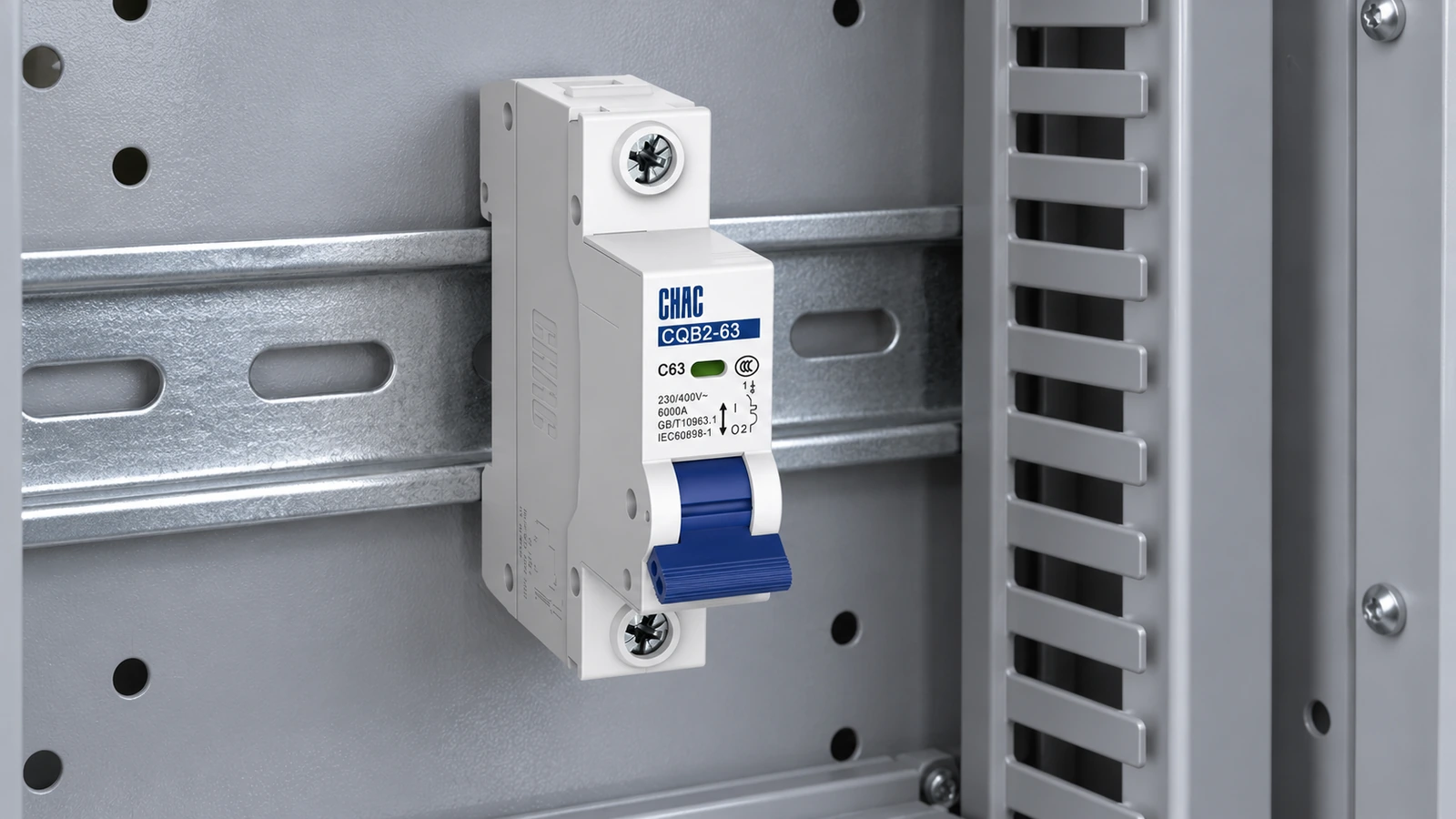
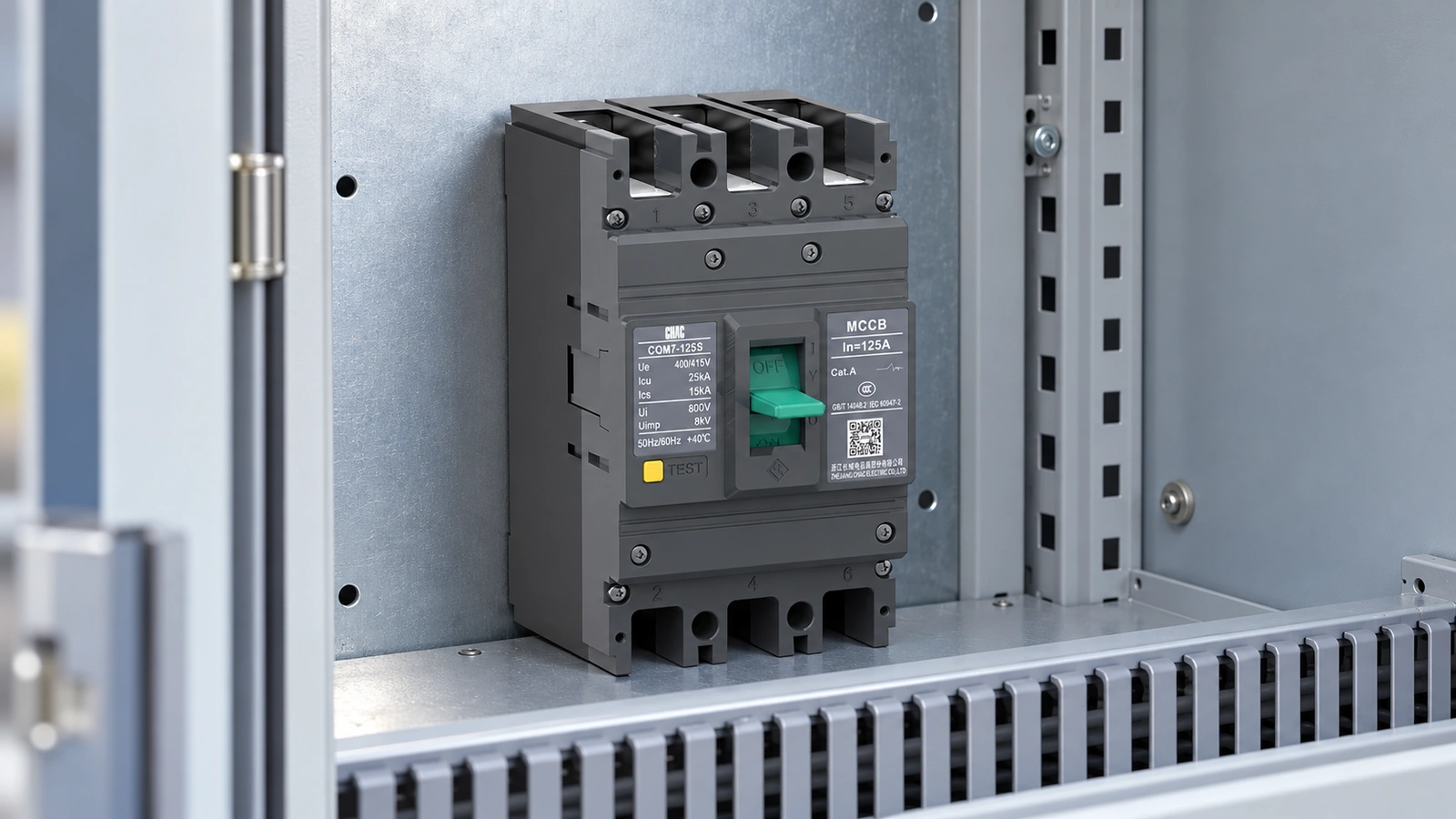
For CHAC Configuraciones de MCB o MCCB configurations, coordinate the approved conductor with terminal material, size range and fault duty. A national electrical code wire size chart does not establish US acceptance of an IEC component. Confirm the exact model’s approvals before procurement.
Para obtener más información sobre la selección relacionada, lea la guía. breaker sizing for common loads.
Preguntas frecuentes
What are the acceptable wire sizes according to the NEC code?
Acceptable sizes depend on the circuit and installation. Use the applicable conductor table together with load, terminal, correction and protection rules.
Is 1/0 copper good for 150 amps?
Its familiar 75°C Table 310.16 ampacity is 150 A under the table conditions. Other temperatures, installation factors and load rules can change the final suitability.
What wire size is needed for 500 amps?
There is no universal answer. The design may involve a large conductor or permitted parallel conductors, with terminal, installation, fault and load checks.
What size wire is required for a 100-amp circuit according to the NEC?
General 75°C table starting points are 3 AWG copper or 1 AWG aluminum. A qualifying dwelling supply can use different sizes under 310.12.
What wire size is normally used from an NEC wire size chart?
The chart does not give one standard size for all circuits. Establish the required ampacity and applicable conditions first.
How does copper compare with aluminum in an NEC wire chart?
Read the separate material values. Aluminum usually requires a larger cross-section for comparable ampacity, and the equipment terminals must accept it.
Referencias
- NFPA 70 — Código Nacional de Electricidad
- Southwire — conductor, voltage-drop and conduit calculation tools
- OSHA 1910.303 — Requisitos para equipos y instalaciones eléctricos
Para la selección específica del modelo, consulte Detalles del producto CHAC y enviar las condiciones de solicitud, la cantidad y los requisitos de destino a través del página de contacto.