A plug that physically enters an outlet is not sufficient proof of a suitable connection. Voltage, grounding, load duty and location requirements can differ. Equipment buyers should specify the entire receptacle-and-circuit arrangement before approving an alternative.
Summary: An electrical receptacle receives a compatible plug and connects it to a circuit. Select its configuration, voltage and current rating for the intended load and market. Then verify grounding, box fit and any required ground-fault or arc-fault protection separately.
Match the receptacle configuration to the equipment
When comparing electrical receptacles, identify the supply system and intended equipment plug. Regional configurations exist to support particular electrical arrangements, so adapters and altered pins are not a substitute for proper selection. OSHA 1910.334 requires appropriate mating configurations and prohibits defeating protective grounding continuity in covered workplace use.
A specification should identify voltage, current rating, pole and grounding arrangement, mounting method and environmental conditions. If a supplier proposes another receptacle outlet, require a model-level comparison and technical approval. Do not base the decision on the face shape alone.
Select the required protection functions
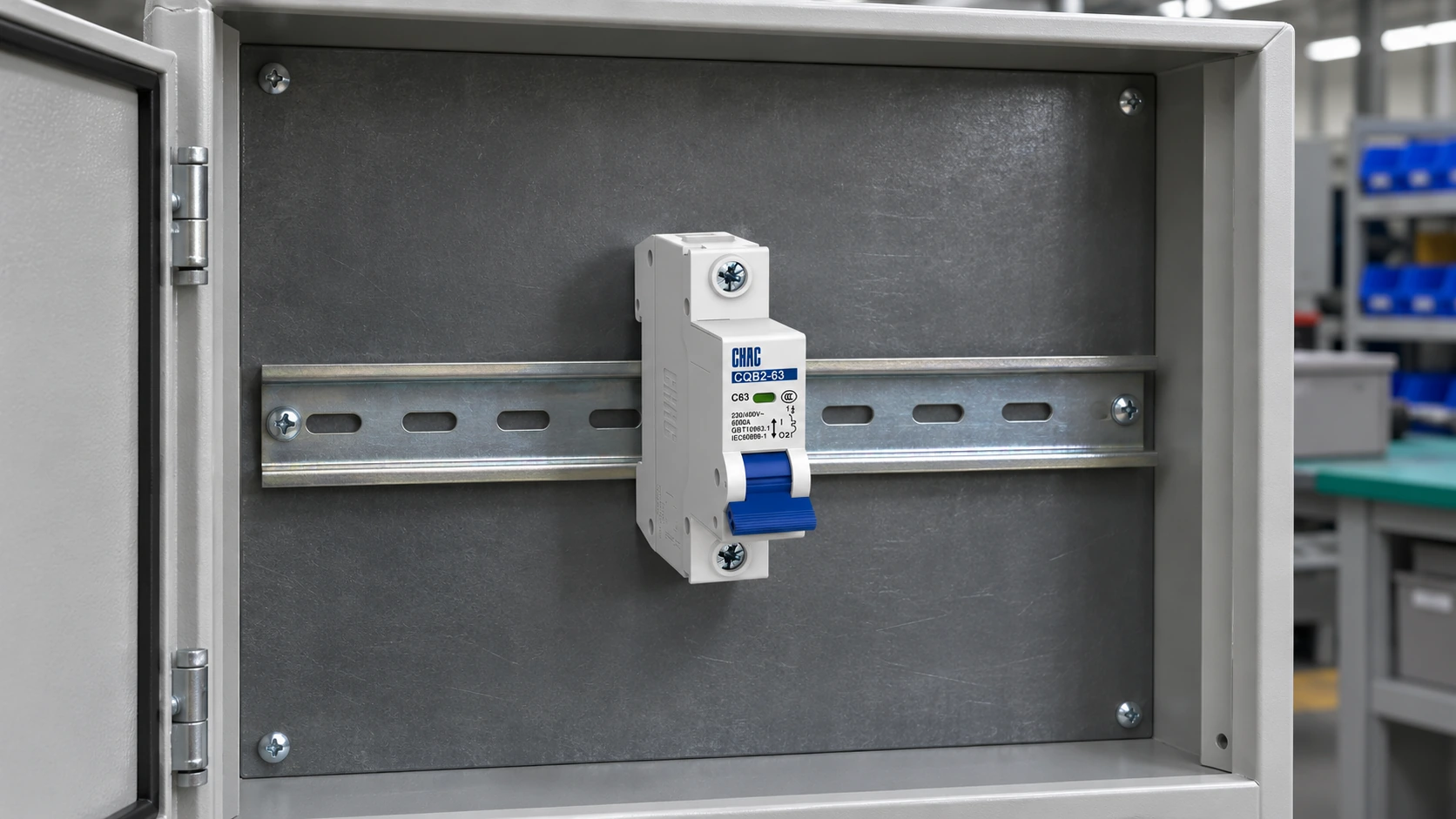
Overcurrent, ground-fault and arc-fault protection address different conditions. A receptacle may include a particular protection function, or protection may be supplied elsewhere in the circuit as permitted by the design. Confirm the actual device type and installation requirements.
Compare overcurrent protection and residual-current protection by their documented functions. An IEC RCBO is not automatically a US GFCI or AFCI. Do not transfer a familiar abbreviation between markets without confirming the applicable standard, trip characteristics and permitted installation.
Check the box, connections and operating environment
A grounding receptacle still needs a correct grounding arrangement and installation. Verify the device body, terminal method, conductor suitability and box space. A cover that closes only by pressing wiring against the device indicates a layout problem, not a successful fit check.
For wet, damp or mechanically demanding locations, use products and covers suitable for the actual conditions. Keep installation work and electrical testing with qualified personnel. A loose, damaged or overheated connection should be taken out of service for assessment rather than hidden by replacing only the faceplate.

Compare the options for this application
| Selection factor | What it establishes | Separate check |
|---|---|---|
| Plug configuration | Intended mating arrangement | Actual supply and load |
| Current rating | Device rating | Circuit protection and wiring |
| Grounding provision | Connection feature | Continuity of the installed system |
| Environmental suitability | Permitted conditions | Cover, entries and installation |
Check the conditions that affect the decision
| Application | Procurement focus |
|---|---|
| General indoor equipment | Compatible configuration and circuit |
| Maintenance workshop | Duty, damage exposure and grounding |
| Wet or damp location | Required product and cover suitability |
| Protected outlet circuit | Exact GFCI/RCD/AFCI requirements |
Confirm the applicable rules and documentation
Use the destination’s receptacle, installation and protection requirements. OSHA 1910.334 covers relevant workplace equipment use and grounding continuity. Product suitability must be established for the actual configuration, not inferred from a different market’s rating system.
Turn the requirements into a purchasing brief
Specify the equipment connection and circuit requirements together, including the box and cover. CHAC Electric can support selection of relevant upstream protection components. Confirm the receptacle itself and its required approvals through the appropriate device supplier.
Frequently asked questions
What is a receptacle in electrical work?
It is a contact device that receives a compatible plug and connects equipment to a circuit. Its permitted use depends on the device rating and installation.
What is the difference between a receptacle and a plug?
The receptacle receives the plug; the plug is the mating connector attached to equipment or a cord. They must match the intended electrical configuration.
Do I need 15-amp or 20-amp outlets?
That depends on the circuit, load, number and type of receptacles, and applicable rules. Do not choose from appearance or assume one rating is correct for every room.
How much does an electrician charge to install a receptacle?
Local labor rates, access, new wiring, required protection and wall repairs affect the price. Obtain a quotation for the complete installation scope.
Can I remove the grounding pin to make a plug fit?
No. Do not defeat protective grounding or alter the mating configuration. Use the correct equipment and have the circuit assessed where necessary.
Does a breaker make a receptacle shock-safe?
An ordinary overcurrent breaker does not replace required ground-fault protection, grounding and other protective measures. The complete circuit must meet the applicable design requirements.
Related reading: Outlet Box Dimensions: Measurement Guide for Electrical Installations.
References
- OSHA 1910.334 use of equipment
- Hager electrical distribution
- Phoenix Contact industrial connection technology
For a model-specific enquiry, review CHAC Electric products and send the application requirements with the destination, quantity and required documentation.