

AC distribution
Compare thermal-magnetic, electronic and residual-current options within the AC range.

CHAC Electric · MCCB Supply & OEM
Source CHAC molded case circuit breakers for AC and DC distribution projects. Compare protection functions, frame sizes and breaking capacities, and discuss bulk supply or OEM requirements. Explore related DC isolation products alongside the MCCB range.
A molded case circuit breaker (MCCB), also called a moulded case circuit breaker, provides the overload and short-circuit protection specified by its trip unit. Choose the release and ratings for the circuit; a magnetic-only configuration needs separate overload protection.
CHAC’s category brings together AC MCCBs, DC MCCBs and related DC isolation switches. Start with the circuit type, then compare protection functions and installation requirements.
Compare thermal-magnetic, electronic and residual-current options within the AC range.
Select a dedicated DC MCCB and check its voltage and pole connection requirements.
Use an isolation switch for disconnection; retain the required separate overcurrent protection.
Browse AC and DC molded case circuit breakers, plus the related DC isolation switches in this category.
CHAC molded case circuit breakers provide circuit protection for commercial and industrial power distribution systems. Our MCCB range supports applications requiring higher current ratings and robust distribution protection, with selection based on frame size, rated current, poles, breaking capacity and trip characteristics.
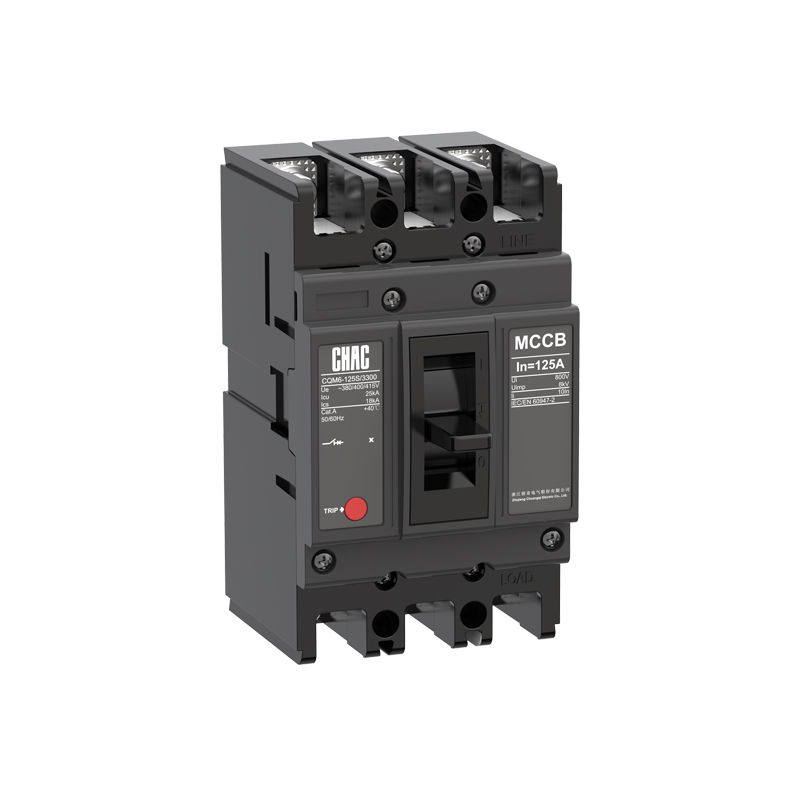
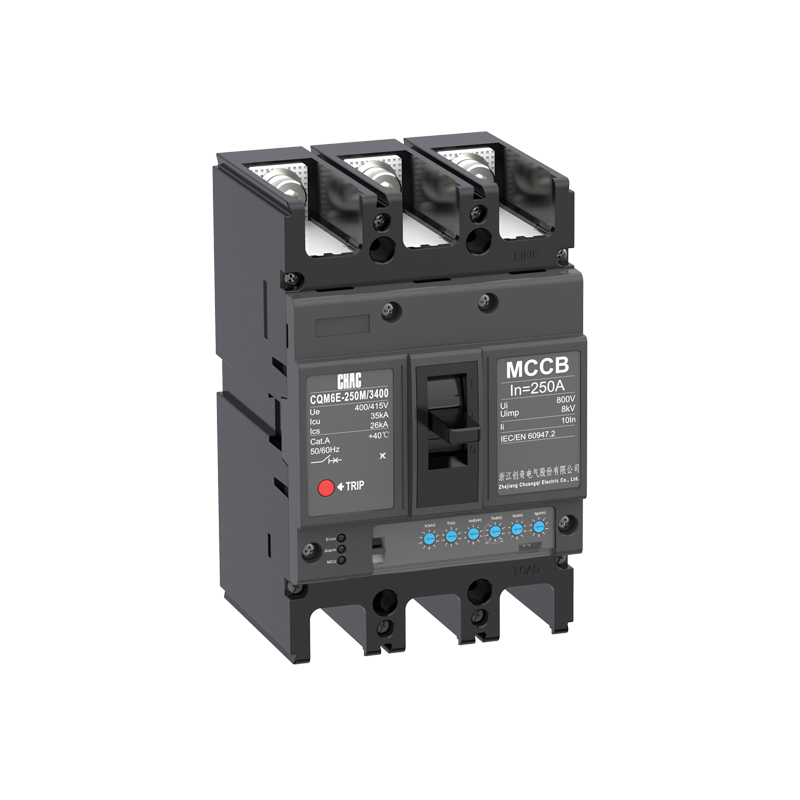
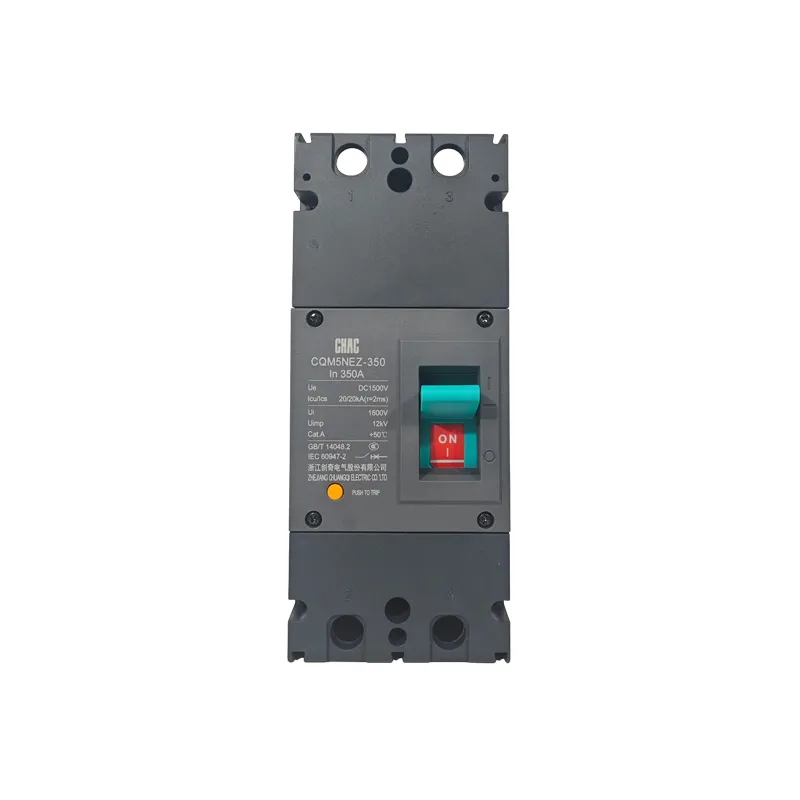
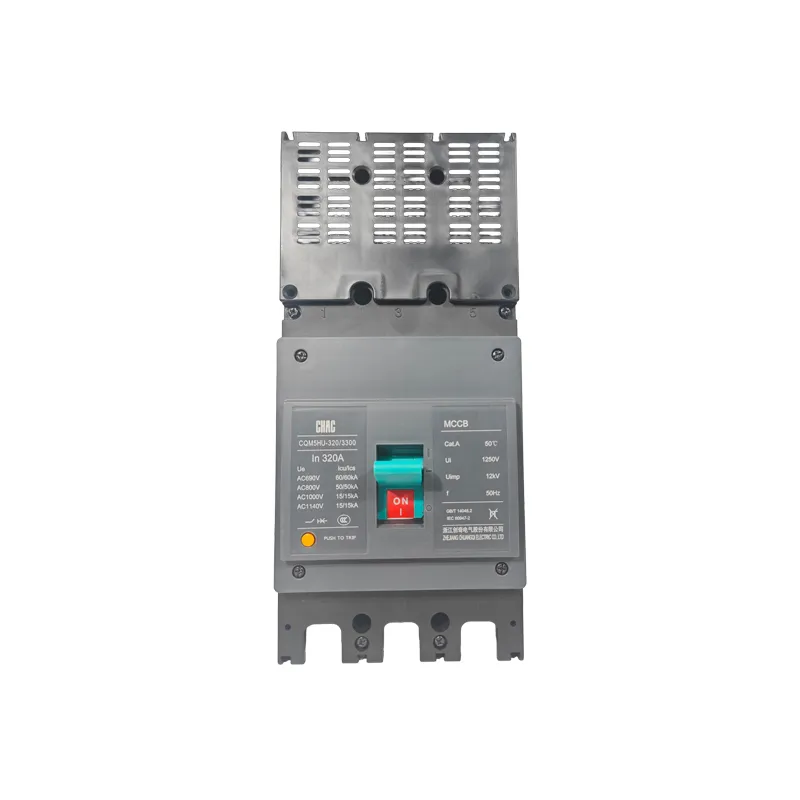
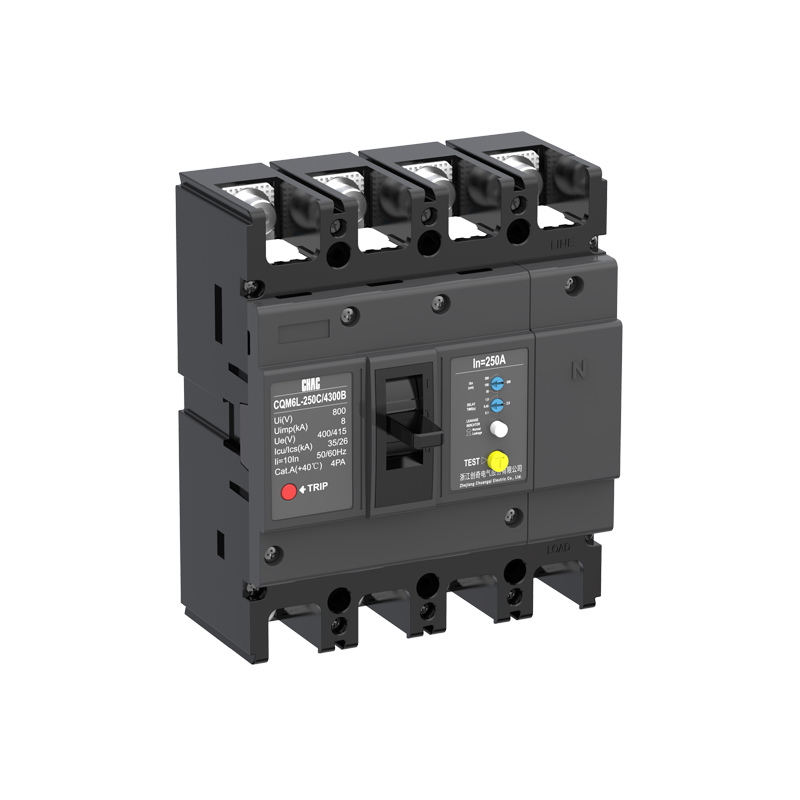
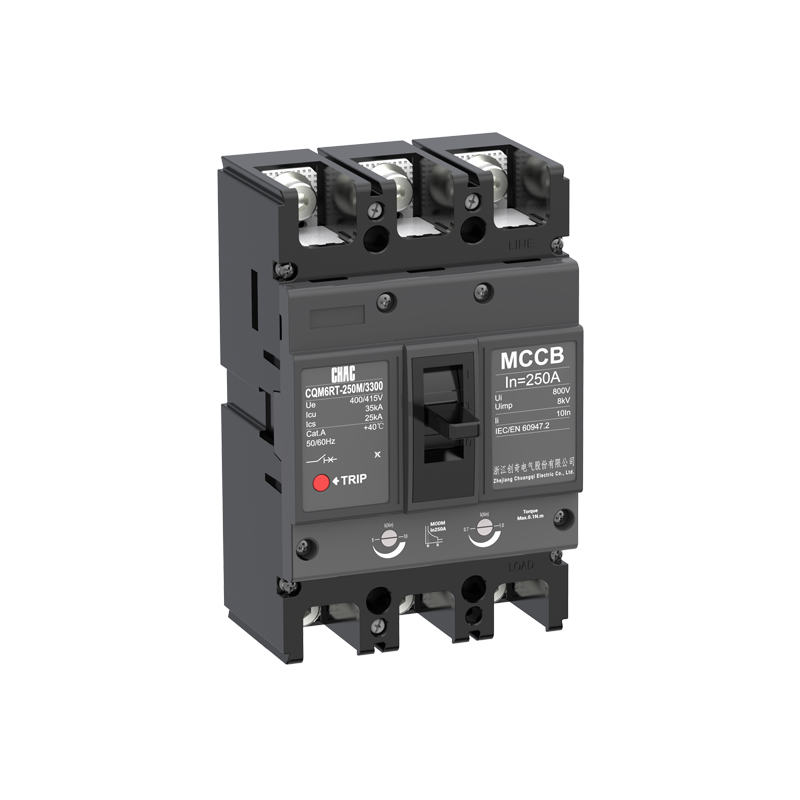
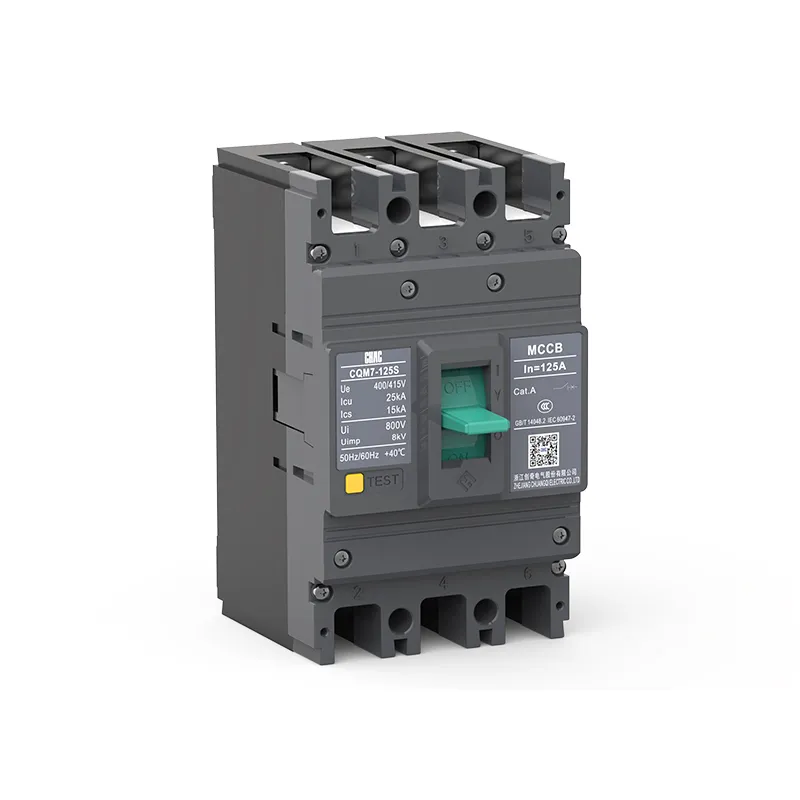
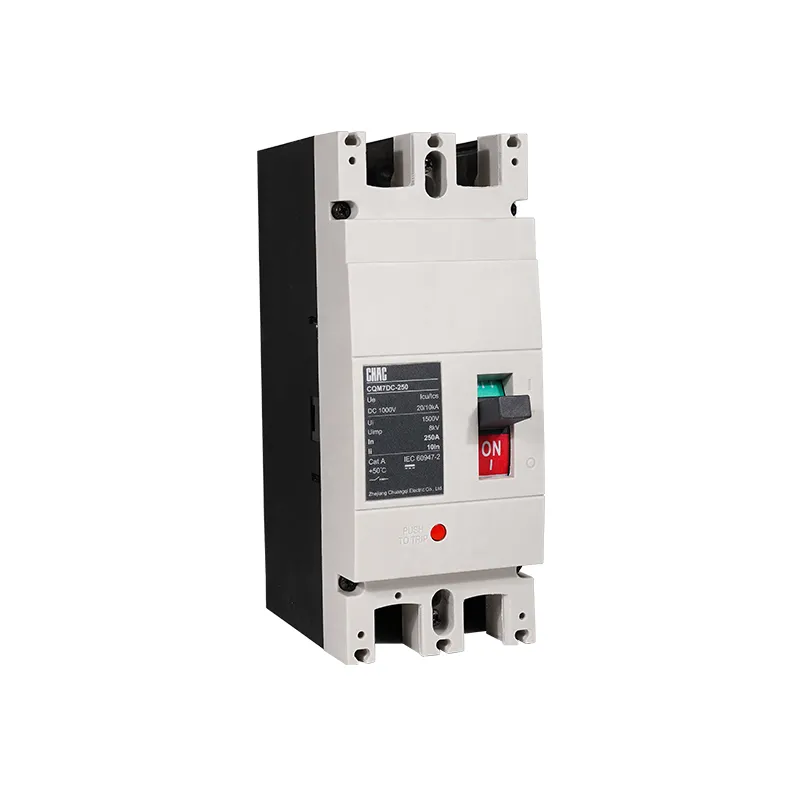
Choose a standard thermal-magnetic circuit breaker, adjustable MCCB or electronic release to match the protection requirements. Check each configuration’s ratings as well as its trip functions.
| Selection factor | CQM6RTProduct details → | CQM6EProduct details → | CQM6LProduct details → | |
|---|---|---|---|---|
| Protection focus | Standard thermal-magnetic protection | Adjustable thermal-magnetic protection | Electronic adjustable protection | Overcurrent and residual-current protection |
| Adjustable items | Non-adjustable standard thermal-magnetic release; confirm the ordered variant. | Thermal Ir and magnetic Im adjustments; release variant to be specified. | Electronic trip settings. Specify the required L / S / I / G functions. | Residual-current sensitivity and delay depend on the ordered configuration. |
| Series rated-current range | 16–1600 A | 32–1250 A | 32–1250 A | 16–800 A |
| Frame designations | 125 / 160 / 250 / 400 / 630 / 800 / 1250 / 1600 | 160 / 250 / 400 / 630 / 800 / 1250 | 160 / 250 / 400 / 630 / 800 / 1250 | 160 / 250 / 630 / 800 |
| Pole options | 2P / 3P / 4P by frame; 1600 frame: 3P | 3P / 4P | 3P / 4P | 160 / 250: 4P; 630 / 800: 3P / 4P |
| Icu / Ics example: 160 frame, AC 400/415 V | C: 25 / 18 kA · S: 35 / 25 kA · M: 50 / 35 kA | C: 25 / 18 kA · S: 35 / 25 kA · M: 50 / 35 kA | M: 50 / 35 kA · H: 50 / 50 kA | C: 25 / 18 kA · S: 35 / 25 kA |
| Discuss your configuration |
Send the load and protection requirements. CHAC can review the series and release options with you.
Start with the circuit requirements, then choose the breaker configuration. These common CQM6 current ratings are a starting point; check the model tables for the full range of options.
100 A is available within the 125 frame.
Confirm the 125 A rating and pole arrangement.
Specify the current and required capacity variant.
Check the release, terminals and enclosure space.
Confirm the fault rating and protective coordination.
Check conductor connections and installation clearances.
Frame designations identify sizes within a family. Order the required current rating separately; an adjustable trip circuit breaker also needs its setting range specified.
A 3-pole MCCB and a 4-pole MCCB serve different circuit arrangements. Confirm neutral switching, earthing and local requirements before choosing.
Compare Icu and Ics at your working voltage. Check the prospective fault current and coordination with upstream and downstream devices.
Use the exact frame drawing to check mounting, terminals, busbar space, accessory clearance and the operating mechanism.
Order accessories against the specific series and frame. Confirm the release voltage, mounting arrangement and permitted combination before finalizing your panel design.
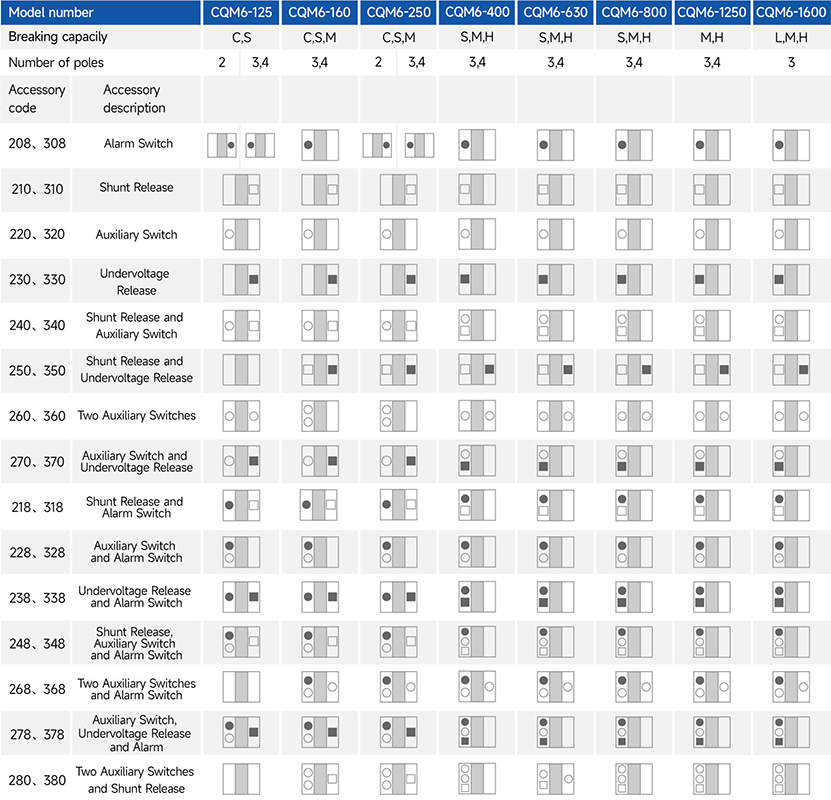
An MCCB with shunt trip opens when the release receives its specified external control signal. Include the AC or DC control voltage with your enquiry.
Responds to loss or reduction of its control supply under the specified operating conditions. It is not a substitute for a shunt trip.
Provide status signalling for the control system. Confirm the required contact arrangement and accessory compatibility with the exact frame.
Choose a series to review its technical drawings. For an electronic trip circuit breaker, confirm the release functions and settings as well as the mechanical fit.
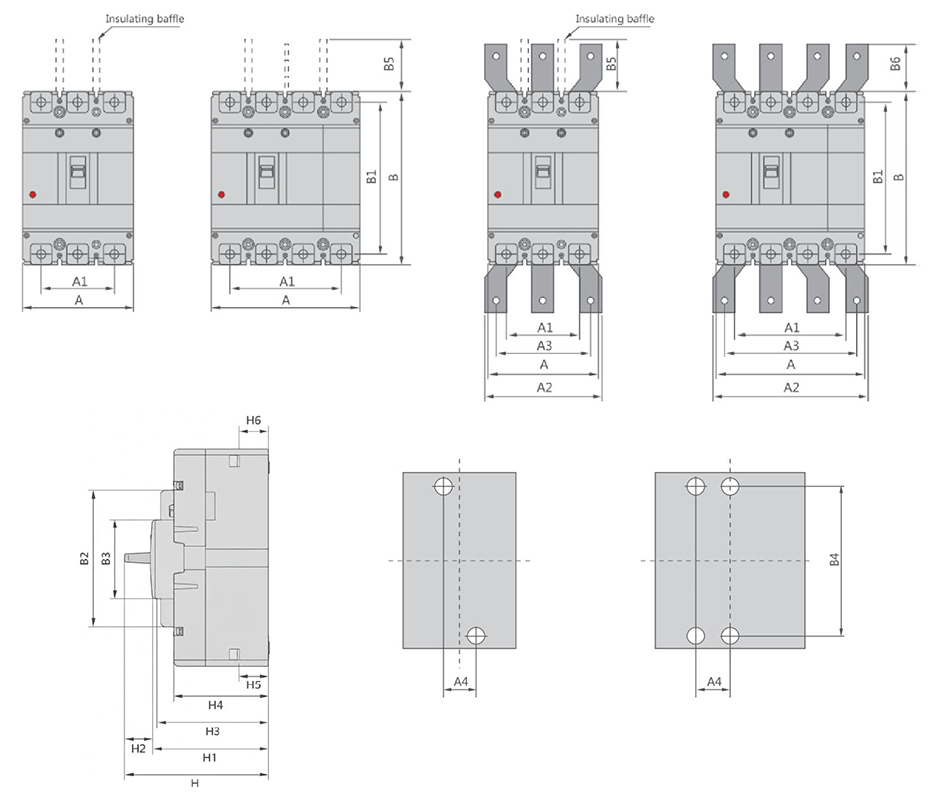
Match the drawing to the ordered frame, poles and connection arrangement before preparing the panel.
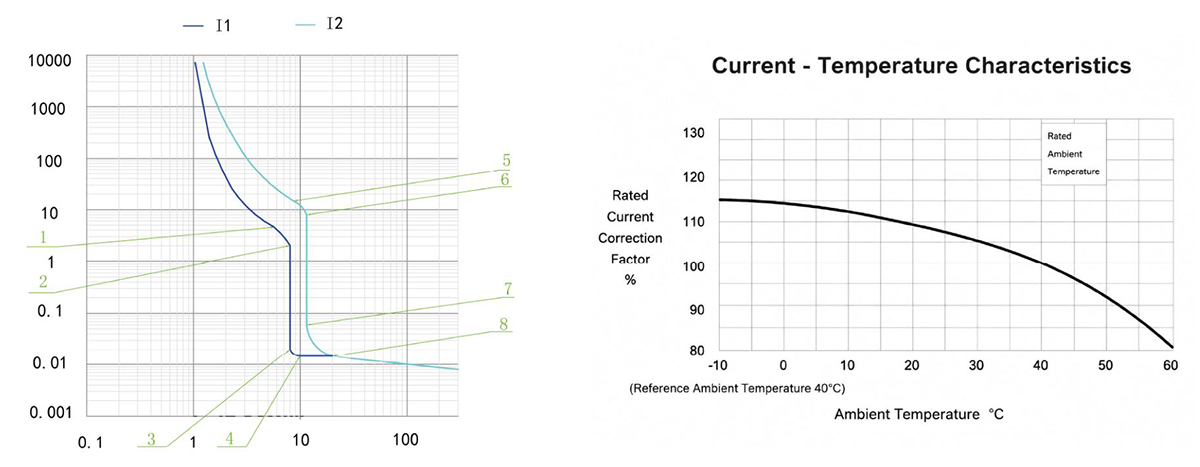
Use the curve for the selected release and frame when checking protection settings and coordination.
Review series ordering information, protection characteristics, accessory options and installation data in one catalogue.
Comparing molded case circuit breaker manufacturers starts with more than a product list. Get to know CHAC’s production and inspection facilities, then review the evidence relevant to your order.



Plan OEM MCCB orders around your technical specification and brand requirements.
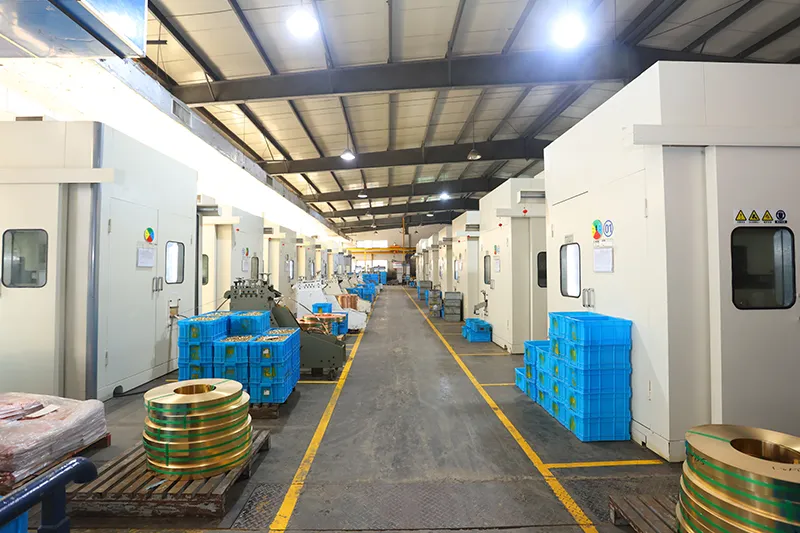
Looking for an MCCB supplier for your electrical brand or distribution business? Discuss the product configuration, brand presentation and approval steps with CHAC.
MCCB price depends on the specified breaker and order scope. Compare quotations for the same trip unit, breaking capacity, accessories and delivery basis.
AC or DC voltage, frame, rated current, poles and Icu / Ics at the working voltage.
Standard thermal magnetic MCCB, adjustable thermal-magnetic or electronic trip MCCB; add required release and signalling accessories.
Quantity by configuration, expected repeat orders, logo files, labels and packaging.
Destination, requested delivery date and trade term with a named port or place, such as FOB at the agreed loading port.
Send your bill of materials or the circuit details you already have.
Read more about breaker types, external tripping and the checks that help turn a project requirement into a clear order.
Compare the roles of the two breaker types before deciding on your distribution arrangement.
Read the guide →Understand external tripping and the control details to include with your accessory enquiry.
Read the guide →Review the circuit, protection and purchasing checks that help define an order.
Read the guide →Practical answers for comparing MCCB manufacturers, defining a specification and preparing an enquiry.
Start with the protection function. CQM6 covers standard thermal-magnetic requirements; CQM6RT adds thermal and magnetic adjustments; CQM6E uses an electronic trip unit; CQM6L combines overcurrent and residual-current protection. Then match the exact frame, current, poles and breaking capacity to the circuit. Release options vary within each series.
No. The frame designation identifies a size within the product family; the rated current identifies the ordered breaker or release rating. For example, the CQM6-250 table lists several current ratings up to 250 A. State both the frame and rated current when requesting a quote, and check the drawing for the exact mounting arrangement.
Do not assume an AC breaker is suitable for DC. A DC circuit needs a breaker with the appropriate DC voltage rating, pole arrangement and connection instructions. CHAC lists CQM5NEZ and CQM7DC DC MCCBs separately. CQD5NEZ and CQW5NEDZ are isolation products; they do not replace overcurrent protection.
Icu is the rated ultimate short-circuit breaking capacity; Ics is the rated service short-circuit breaking capacity. Compare both at the actual operating voltage and for the exact frame and capacity variant. The required rating and protective coordination must be checked against the prospective fault current at the installation.
These are different protection functions. An electronic ground-fault setting should not be treated as equivalent to a residual-current leakage function. For CQM6L, specify the required sensitivity, delay and waveform type, and check the earthing arrangement and local rules. For CQM6E, confirm the trip functions fitted to the selected release.
Include the exact series, frame, accessory function, quantity and control voltage in your enquiry. A shunt trip, undervoltage release and auxiliary contact serve different purposes. CHAC checks the accessory combination and installation arrangement for the ordered breaker rather than assuming accessories are interchangeable across frames.
Send the required series or application, AC or DC voltage, rated current, frame if known, poles, Icu and Ics requirements, accessories, quantity and destination. Add brand marking, packaging, delivery requirements and your preferred trade term with a named port or place. A complete specification allows quotes to be compared on the same basis.
CHAC discusses brand marking, labels and packaging for confirmed MCCB configurations through its power distribution customization service. Product-development requests are reviewed separately. Send your artwork, market requirements and target quantity so the scope, sample approval and order terms can be agreed for your project.
Share the application, quantity and market.
CHAC will help you review the configuration and supply options.