Two commercial units with the same floor area can need very different electrical budgets. One may reuse existing distribution and wiring, while the other adds commercial cooking loads, new feeders and after-hours work. A square-foot rate is meaningful only when those differences are visible.
Summary: Use cost per square foot as a normalized budget check, not a complete estimate. Define the included work and floor-area basis, then build costs from equipment, installed quantities, labor and site conditions. No universal market rate fits every commercial project.
Define the estimate boundary before using a rate
The search phrase electrical cost per square foot commercial covers projects with very different scopes. State whether the estimate includes design, utility work, distribution, lighting, outlets, controls, testing and repairs to finishes. Identify work retained from the existing installation.
Use one consistent area basis, such as the actual area included in the electrical scope. Do not divide a partial fit-out cost by the whole building area and compare it with a complete new-build rate. Record location, estimate date and assumptions so the comparison can be interpreted later.
Build the estimate from quantities and site conditions
A commercial electrical estimate should start with the circuit and equipment schedule. Count devices, panels, cable routes, supports and testing tasks. Apply supplier quotations and local labor assumptions to those quantities, with access and shutdown constraints stated separately.
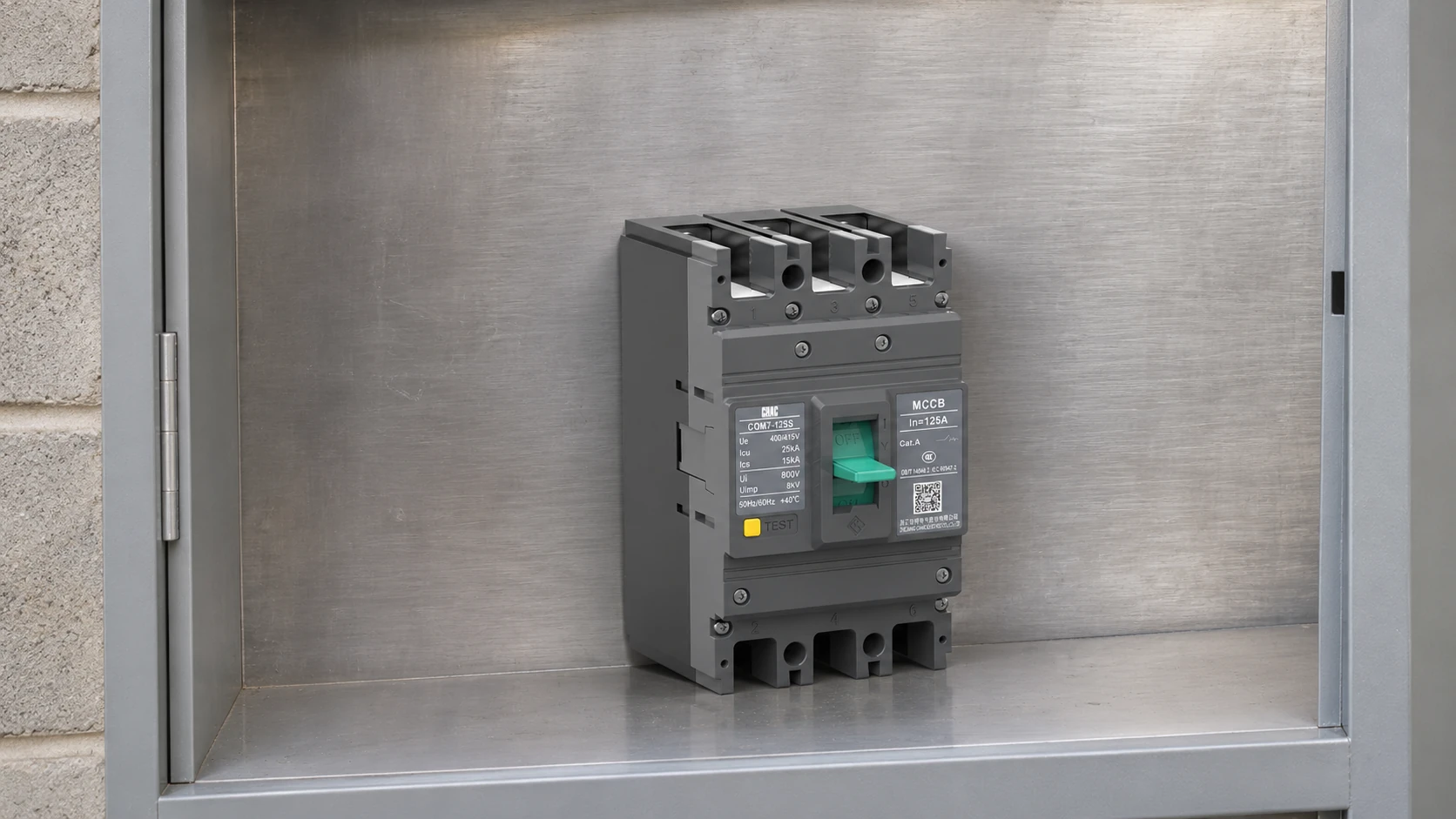
Protection requirements affect cost through more than the breaker unit price. Fault duty, accessories, coordinated assemblies and required documentation can change the equipment scope. Compare MCB selections and feeder-protection selections against the design so a lower quotation does not omit a required function.
Use cost per square foot as a cross-check
For an illustrative budgeting exercise only, a defined electrical scope costing $60,000 across 5,000 square feet produces $12 per square foot. This is arithmetic, not a current market price or a recommended rate. Changing what is included changes the result even when the area remains fixed.
Separate electrical installation cost into base work, defined options and identified uncertainties. A provisional allowance should describe the unknown condition and how it will be resolved. Contingency should not hide an omitted scope item. Compare the estimate with projects of similar use, location and completion standard.
Make quotations comparable before appointing a contractor
Ask every bidder to use the same equipment schedule, drawings and exclusions. Note temporary power, occupied-building access, night work, disposal, permits and commissioning. Differences in these items can explain a large price gap without implying that one contractor is inefficient.
The handover requirements also deserve a budget. Circuit identification, test records, settings and final drawings reduce uncertainty for maintenance. A low installation price that leaves those items to a later contract may not be the lowest complete-project cost.

Compare the options for this application
| Estimate method | Useful for | Limitation |
|---|---|---|
| Area benchmark | Early comparison of similar projects | Sensitive to scope and area basis |
| Quantity-based estimate | Defined installation scope | Needs drawings and quantities |
| Supplier quotations | Equipment purchase allowance | May exclude accessories and logistics |
| Site assessment | Access and existing-condition risks | Must be translated into priced work |
Check the conditions that affect the decision
| Cost driver | Reason it changes the estimate |
|---|---|
| New high-demand loads | Additional distribution and protection |
| Occupied building | Restricted work and shutdown windows |
| Existing unknown wiring | Survey and remedial allowance |
| Detailed commissioning | Testing, records and specialist time |
Confirm the applicable rules and documentation
Price does not change the obligation to meet the applicable installation rules and equipment requirements. Establish the destination code and technical scope first. A cheaper component is not an acceptable substitute unless the responsible designer approves it.
Turn the requirements into a purchasing brief
Approve the scope and estimate assumptions before seeking firm equipment prices. CHAC Electric can quote defined protection components against the project schedule. Keep installation labor and site-service responsibilities with the relevant qualified provider.
Frequently asked questions
How much should commercial electrical work cost per square foot?
There is no reliable universal figure. Location, use, retained infrastructure, equipment loads and included services materially change the rate.
How do I bid electrical work by square foot?
First develop a quantity-based estimate for a defined scope, then divide by the relevant area as a check. Do not use an unexplained rate in place of the actual work schedule.
How much does it cost to wire a 40-by-60-foot shop?
That footprint is 2,400 square feet, but cost also depends on loads, lighting, outlets, service capacity and site conditions. Request a scope-based estimate rather than multiplying by an unsupported rate.
How much does a commercial electrician cost per hour?
Obtain local quotations with qualifications, access hours and call-out conditions specified. Hourly labor alone does not describe the complete installed cost.
Should materials and labor be separated?
Yes, where it helps compare scope and assumptions. Also identify design, testing, logistics, permits and any defined allowances.
How can buyers reduce avoidable changes?
Resolve equipment loads, circuit layout, site access and acceptance requirements early. Document approved substitutions before procurement, not after components arrive.
Related reading: Commercial Electrical Services: Circuit Protection Planning for Commercial Buildings.
References
- Southwire electrical calculators
- OSHA 1910.334 use of equipment
- Siemens low-voltage power distribution
For a model-specific enquiry, review CHAC Electric products and send the application requirements with the destination, quantity and required documentation.