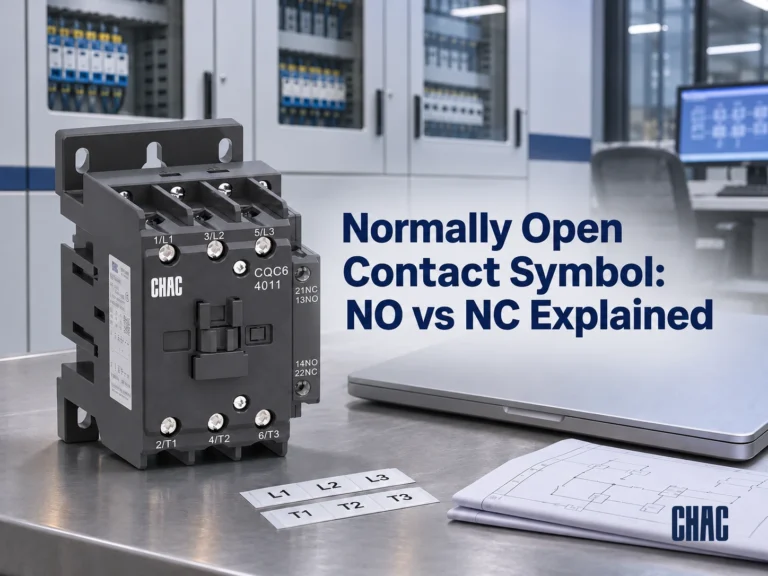
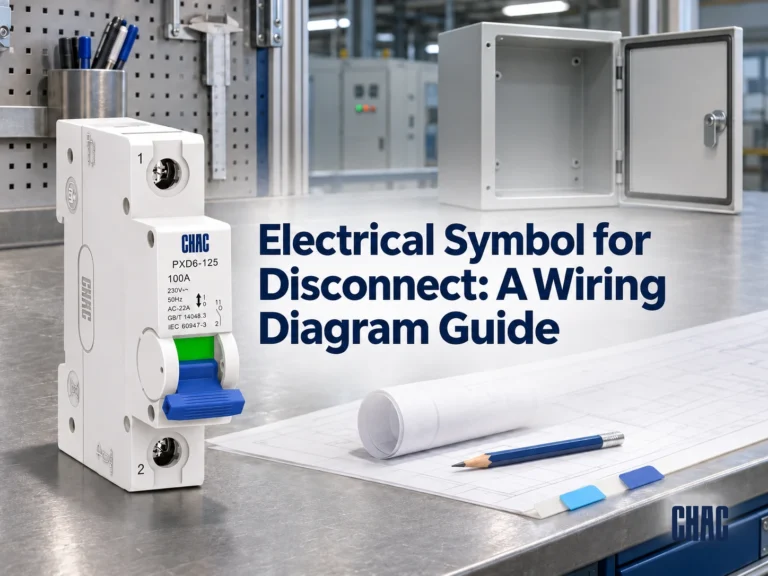
مشارك تيار مترددغالبًا ما يتم اختيار القواطع الكهربائية بناءً على التيار فقط، على الرغم من أن فئة الحمل ودائرة الملف وظروف التشغيل هي التي تحدد ما إذا كان هذا الاختيار مبررًا. فقد يتصرف جهاز يعمل مع حمل مقاوم صغير بشكل مختلف عند تشغيل ضاغط أو محرك أو مجموعة إضاءة. يفصل هذا التنقيح بين وظيفة التبديل ووظائف الحماية من الأحمال الزائدة والقصور الذاتي، ثم يزوّد المشترين بوثيقة عملية تُثبت اعتماد الطراز.
يتّجه سوق الكهرباء اليوم نحو كفاءة الطاقة، والمراقبة الرقمية، والتصميم المدمج، والصيانة التنبؤية. يحتاج العملاء إلى قواطع تلامس تيار متردد قادرة على التعامل مع عمليات التبديل المتكررة، ومقاومة تآكل التلامسات، ودعم أنواع مختلفة من الأحمال، والأداء الموثوق في البيئات الصعبة. ومع ذلك، يساور المشترين القلق بشأن احتراق الملفات، ولحام التلامسات، واختيار الجهد غير الصحيح، وقصر العمر الافتراضي الكهربائي، والامتثال للشهادات، وما إذا كانت المنتجات منخفضة التكلفة قادرة حقًا على تلبية متطلبات التشغيل طويلة الأمد. لذلك، يُعد فهم بنية القاطع، وطرق الاختبار، وإرشادات الاستبدال، وجودة المورّد أمرًا أساسيًا قبل اتخاذ قرار الشراء.
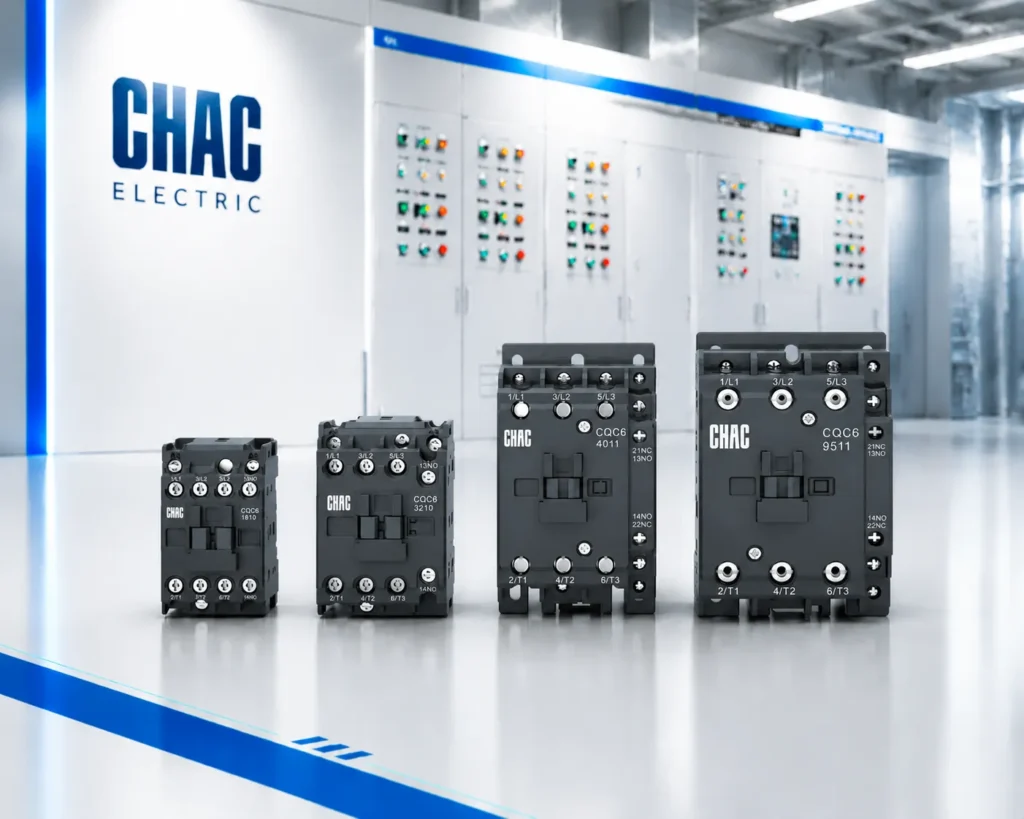
ما هي المفاتيح الكهروضوئية AC ولماذا تُعدّ ذات أهمية في العمليات الكهربائية؟
أن مُلامِس تكييف هو جهاز تبديل كهرومغناطيسي يُستخدم للتحكم في الأحمال الكهربائية ذات التيار المتردد. عند توصيل التيار بالملف، ينشأ مجال مغناطيسي يسحب القلب المتحرك ويغلق الاتصالات الرئيسية، مما يسمح بمرور التيار إلى الحمل. وعند فصل التيار عن الملف، يقوم آلية الزنبرك بتحرير الاتصالات وفتح الدائرة.
تُستخدم المفاتيح الكهربائية AC على نطاق واسع في:
- أنظمة التحكم في المحركات الصناعية
- وحدات التدفئة والتهوية وتكييف الهواء
- الضواغط والمضخات
- لوحات التحكم في الإضاءة
- معدات الأتمتة
- خزائن توزيع الطاقة
في العمليات الكهربائية، تُعدّ المفاتيح التلامسية ذات أهمية لأنها تتيح التحكم في الأحمال عالية التيار بواسطة إشارات تحكم منخفضة التيار. وهذا يعزز السلامة، ويتيح التشغيل الآلي، ويحمي المشغلين من التبديل المباشر للدوائر عالية الطاقة.
المكونات الرئيسية داخل مُقَطِّع التيار المتردد
إن قاطع التيار المتردد عالي الجودة هو أكثر من مجرد مفتاح كهربائي بسيط. إذ تعتمد أداؤه على جودة كل مكوّن داخلي، ولا سيما الملف، والاتصالات، والنظام المغناطيسي، وهيكل إخماد القوس الكهربائي.
| مكون | الوظيفة | لماذا يهم ذلك |
|---|---|---|
| ملف | يولد قوة مغناطيسية عند توصيل التيار الكهربائي. | يحدد قوة السحب المستقرة وتوافق الجهد الكهربائي |
| جهات الاتصال الرئيسية | تشغيل وإيقاف تيار الحمل | يؤثر بشكل مباشر على العمر الافتراضي الكهربائي وقدرة التحميل. |
| ملامسات مساعدة | تقديم تغذية راجعة للإشارة أو منطق التحكم | يُستخدم في الدوائر ذات التشابك الذاتي وإشارات وحدة التحكم المنطقية القابلة للبرمجة (PLC). |
| القلب المغناطيسي | ينقل القوة الكهرومغناطيسية | يؤثر على سرعة الاستجابة ومستوى ضوضاء التشغيل |
| قناة القوس | يُطفئ القوس الكهربائي أثناء التبديل | يقلل من تآكل الأطراف التلامسية ويحسن السلامة |
| آلية الزنبرك | يقوم بتحرير جهات الاتصال عند إزالة طاقة الملف | يضمن فصلًا سريعًا وموثوقًا |
| الإسكان المعزول | يحمي المكونات الداخلية | يتطلب مادة مقاومة للهب ومقاومة للحرارة |
الاتصالات المساعدة: اتصالات إضافية تُستخدم لردود الفعل الإشارية، والتعشيق الكهربائي، ودوائر التثبيت الذاتي، أو منطق التحكم في المتحكم المنطقي القابل للبرمجة (PLC).
بالنسبة للتطبيقات الصناعية ذات المتطلبات العالية، ينبغي أن يتمتع القاطع الكهربائي بقوة عازلة عالية، ومقاومة عزل موثوقة، وأداء مستقر للملف، وقدرة ممتازة على إخماد القوس الكهربائي. وتستطيع الشركات المصنعة التي تمتلك قدرات اختبار داخلية التحكم بشكل أفضل في هذه العوامل الأدائية طوال عملية الإنتاج.
كيفية اختبار مُقَطِّع التيار المتردد
يُعدّ اختبار مُفتاح التلامس المتردد (AC Contactor) أمرًا مهمًا أثناء أعمال الصيانة أو استكشاف الأعطال أو قبل استبدال وحدة يُشتبه في وجود عطل بها. فقد يؤدي تعطّل مُفتاح التلامس إلى تعطّل المحرك، أو خلل في الضاغط، أو ارتفاع درجة الحرارة، أو توقف النظام عن العمل.
قبل إجراء الاختبار، افصل التيار الكهربائي دائمًا واتبع السلامة الكهربائية الإجراءات.
تشمل خطوات الاختبار الشائعة ما يلي:
-
الفحص البصري
تحقق من وجود علامات احتراق، أو ذوبان في الهيكل، أو محطات سائبة، أو أسلاك تالفة، أو نقاط تلامس متفحمة. -
اختبار مقاومة الملف
استخدم مقياس متعدد لقياس المقاومة بين أطراف الملف، وعادة ما تكون مُعلَّمة بـ A1 وA2. إذا كان الملف مفتوحًا أو قصير الدائرة، فقد يحتاج القاطع إلى الاستبدال. -
اختبار الجهد
تأكد مما إذا كان جهد التحكم يتطابق مع تصنيف الملف، مثل 24V أو 110V أو 220V أو 380V تيار متردد. -
اختبار استمرارية التوصيل
تحقق من أن الملامسات الرئيسية تفتح وتغلق بشكل صحيح عند توصيل التيار الكهربائي بالملف وعند فصله. -
فحص الحركة الميكانيكية
اضغط على القلب المتحرك يدويًا عندما يكون الجهاز آمنًا ومُغلقًا عن التيار الكهربائي. يجب أن يكون الحركة سلسة دون أي عوائق أو تعلّق. -
اختبار تشغيل التحميل
بعد إعادة التثبيت بشكل آمن، تحقق مما إذا كان المحرك أو الضاغط أو نظام المرحل الخاص بوحدة التكييف المتصل يبدأ ويتوقف بشكل طبيعي.
إذا كان المُقَطِّع يصدر صوت طقطقة، أو يسخن بشكل مفرط، أو لا يعمل على الإغلاق، أو كانت جهات التلامس ملحومة، فقد يتطلب ذلك إصلاحًا أو استبدالًا للمُقَطِّع الكهربائي المتردد.
كيفية استبدال قاطع التيار الكهربائي لوحدة التكييف
Replacing an AC Contactor should be done carefully because incorrect wiring or wrong specifications can damage equipment or create safety hazards.
Basic replacement process:
-
Turn Off Power Completely
Disconnect the main power supply and verify with a voltage tester. -
Record Existing Wiring
Take clear photos of all terminals, including line side, load side, coil terminals, and auxiliary contacts. -
Check the Contactor Specification
Match the new contactor with the old one based on:- التيار المقدر
- الجهد المقنن
- Coil voltage
- عدد الأقطاب
- Load category such as AC-1, AC-3, or AC-4
- Auxiliary contact configuration
-
Remove the Old Contactor
Loosen terminal screws, disconnect wires, and remove it from the DIN rail or mounting plate. -
Install the New Contactor
Mount it securely and reconnect wires according to the original wiring diagram. -
Tighten Terminals Properly
Loose terminals can cause overheating, arcing, and premature failure. -
Test Operation
Restore power and test start/stop operation under controlled conditions.
For HVAC systems, replacing an ac unit contactor often solves issues such as the outdoor unit not starting, compressor not running, or fan failure. However, if the root cause is voltage instability, capacitor failure, or control board damage, simply replacing the contactor may not solve the problem.
Electrical Lifespan vs Mechanical Lifespan: What Buyers Often Overlook
Many buyers focus only on mechanical lifespan, but for real electrical operations, electrical lifespan is often more important.
Mechanical lifespan refers to how many times the contactor can operate without load. Electrical lifespan refers to how many times it can switch actual current under load conditions. Since real switching creates arcs, heat, and contact erosion, electrical lifespan is usually much shorter than mechanical lifespan.
For motor control applications, especially under AC-3 working conditions, buyers should pay close attention to electrical lifespan rather than only comparing mechanical operation cycles. According to the application categories defined in IEC 60947-4-1 low-voltage switchgear and controlgear standards, utilization categories such as AC-1, AC-3, and AC-4 are critical for selecting the right contactor based on load type and switching duty.
AC-3 Duty: A common utilization category for switching squirrel-cage motors during normal starting and stopping operations.
In practical applications, AC-3 Duty is commonly used for standard motor starting and stopping, such as pumps, fans, compressors, and conveyor motors. Choosing a contactor with the correct utilization category helps prevent overheating, contact wear, and premature failure.
| Lifespan Type | Meaning | Main Influencing Factors |
|---|---|---|
| Mechanical Lifespan | Number of no-load operations | Spring system, magnetic core, mechanical wear |
| Electrical Lifespan | Number of load-switching operations | Load current, arc energy, contact material, switching frequency |
| Practical Service Life | Actual usable life in field conditions | Temperature, dust, voltage stability, maintenance quality |
At the manufacturing level, electrical endurance testing is essential for validating long-term contactor reliability. CHAC’s independent laboratories conduct electrical endurance, material, magnetic, salt spray, and dimensional testing to help ensure consistent quality throughout the production process.
Contact Material and Arc Suppression: Hidden Factors Behind Contactor Performance
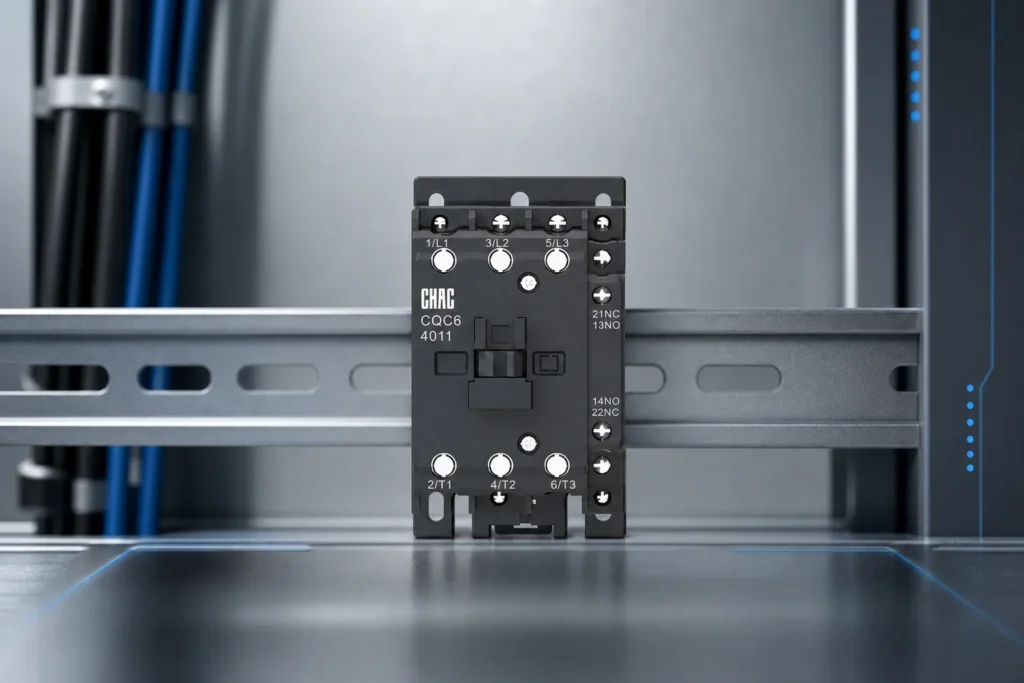
The main contacts are the most critical parts of an AC Contactor. During switching, especially under inductive loads such as motors and compressors, an electric arc forms between the contacts. If the arc is not controlled properly, it can cause contact burning, welding, and reduced lifespan.
High-quality contactors usually use silver alloy contact materials, such as silver tin oxide or other environmentally compliant contact materials. These materials provide better conductivity, lower contact resistance, and improved resistance to arc erosion.
Arc Suppression: A design method used to control and extinguish electrical arcs generated when contacts open under load.
Arc suppression is essential for safe and durable contactor operation. A well-designed arc chute helps divide, cool, and extinguish the arc quickly. This reduces thermal stress and protects the contact surface. For heavy-duty applications, poor arc suppression often leads to frequent ac contactor repair, unexpected downtime, and unsafe operation.
AI Predictive Maintenance: The Future of AC Contactor Reliability
As industrial automation becomes more digitalized, contactors are no longer viewed only as passive switching devices. In smart electrical panels, data from contactor operation can be monitored to predict failures before they happen.
AI-based predictive maintenance can analyze:
- تغيير التردد
- Coil temperature
- مقاومة التلامس
- Load current fluctuation
- Pull-in and drop-out time
- Abnormal vibration or noise
- Historical fault patterns
For example, if a contactor starts taking longer to close or its contact resistance increases gradually, the system can generate an early warning. This allows maintenance teams to replace or repair the contactor before a production line stops unexpectedly.
This trend is especially valuable in smart factories, HVAC monitoring systems, and large-scale motor control centers. In production environments, digital workshops and automated production lines also play an important role in improving consistency. CHAC has developed smart manufacturing systems supported by SCADA, MES, and intelligent management platforms to enhance process control and production traceability.
AC Contactor vs Relay vs DC Contactor: Key Differences Buyers Should Know
Although contactors, relays, and DC contactors all perform switching functions, they are designed for different electrical requirements.
An AC Contactor is mainly used for switching AC loads such as motors, compressors, and heaters. A relay is usually used for lower-current control circuits. A DC contactor is designed to interrupt direct current, which is more difficult to extinguish because DC current has no natural zero-crossing point.
| الآلة | Main Use | Typical Load | Key Feature |
|---|---|---|---|
| مُلامِس تكييف | High-power AC switching | Motors, HVAC, pumps, compressors | Strong arc control for AC loads |
| مرحل | Low-power signal control | Control circuits, alarms, small devices | Compact and sensitive |
| DC Contactor | High-power DC switching | EV, battery systems, solar storage | Stronger arc suppression for DC circuits |
For buyers, the most important rule is simple: do not use an AC contactor for DC loads unless the manufacturer specifically approves it. Incorrect selection can cause severe arcing, contact welding, or fire risk.
Safety Standards, Certifications, and Supplier Evaluation for AC Contactors
A reliable AC Contactor should comply with international safety and performance standards. For industrial and export markets, certifications are not only quality indicators but also entry requirements. Buyers can refer to UL 60947-4-1 standards for contactors and motor starters when evaluating products for North American industrial control applications.
Common standards and certifications include:
- IEC 60947-4-1 for contactors and motor starters
- CE for European market compliance
- UL for North American applications
- CCC for China market access
- RoHS for restricted hazardous substances
- Flame-retardant material standards for housing safety
When evaluating an AC contactor supplier, buyers should consider:
- Complete product testing process
- Stable coil and contact material quality
- Rated current and utilization category accuracy
- Production capacity and delivery stability
- OEM/ODM support
- Technical documentation and wiring diagrams
- Warranty and after-sales support
For global buyers, supplier capability is as important as product specification. With over 30 years of experience in low-voltage electrical product R&D and manufacturing, تشاك produces 2 million AC contactors annually and serves customers across global markets. Its large-scale production capacity and quality control system help support stable supply and consistent product performance.
A low-cost product may seem attractive at first, but if it causes frequent downtime, overheating, or repeated ac contactor repair, the total cost will be much higher.
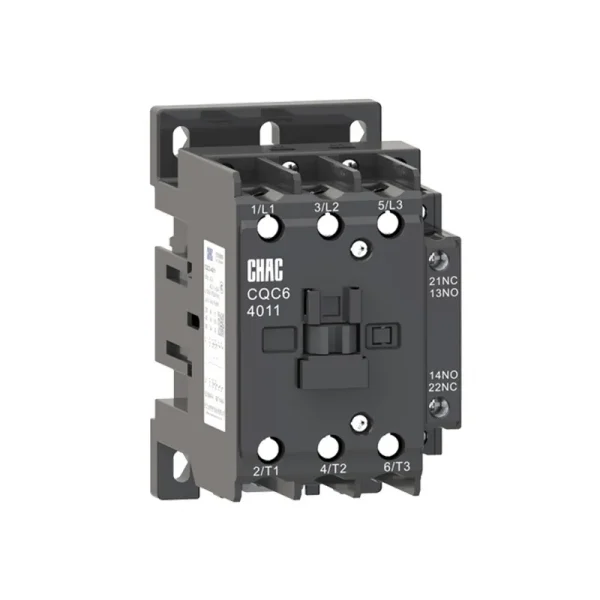
CHAC AC contactor Recommended:
مصنع OEM للموصلات الصناعية AC من سلسلة CQC6 | CHAC Electric
Future Trends: Digitalized, Compact, and Sustainable AC Contactors
The future of AC contactors is moving toward smarter, smaller, and more energy-efficient designs. Traditional contactors will continue to be widely used, but modern electrical systems increasingly require digital monitoring, lower energy consumption, and easier integration with automation platforms.
As highlighted by the International Energy Agency report on energy efficiency, improving electrical efficiency across industrial and building systems remains an important direction for reducing energy consumption and operating costs.
Key trends include:
- Compact design for space-saving control panels
- Low-power coils to reduce heat and energy loss
- Modular auxiliary contact blocks
- Smart monitoring for predictive maintenance
- Environmentally friendly contact materials
- Higher switching durability for frequent-start applications
- Better compatibility with PLC and IoT-based control systems
Sustainable manufacturing is also becoming a key factor in supplier evaluation. CHAC is recognized as a National Green Factory and operates under the ISO 14001 environmental management system, supporting cleaner and more responsible production of low-voltage electrical products.
As industries focus on automation, energy efficiency, and operational reliability, the AC Contactor will remain a core component in electrical operations. Whether used in motor control, industrial machinery, or an ac unit contactor system, choosing the right contactor is essential for safe, efficient, and long-lasting performance.
Which AC contactor checks prevent a repeat failure?
Start with the load rather than the enclosure. Record the utilization category, operating current, starting or inrush current, starts per hour, duty cycle, coil voltage and auxiliary-contact requirement. An AC contactor model can be a useful candidate, but the product page does not replace the exact variant datasheet or the project coordination study.
| نقطة مراجعة | لماذا يغيّر القرار؟ |
|---|---|
| تخزين الفئة | Motor, resistive, lighting and capacitive loads impose different switching duties. |
| Control circuit | Coil voltage, hold-in behavior and auxiliary contacts must match the schematic. |
| Protection coordination | The contactor switches; the upstream and motor-protection devices address fault and overload duties. |
Google results for contactor selection repeatedly surface utilization categories and overload-relay coordination. Treat those as research prompts, not as proof that one current rating works for every load. The final approval should reference the applicable edition of the standard and the exact manufacturer combination.
الأسئلة المتكررة
ما وظيفة قاطع التيار المتردد؟
يقوم المُقَطِّع الكهربائي المتردد بتشغيل وإيقاف الأحمال الكهربائية المترددة، مثل المحركات والضواغط والمضخات ووحدات التكييف والتهوية والتدفئة وأنظمة الإضاءة. وهو يتيح لإشارة تحكم منخفضة الجهد أن تتحكم في دائرة ذات قدرة أعلى بشكل آمن.
كيف أعرف ما إذا كان مُفتاح التيار المتردد (الكونتاكتور) الخاص بي معطلاً؟
تشمل العلامات الشائعة لتعطل مُفتاح التيار المتردد (الكونتاكتور) صدور صوت طنين أو اهتزاز، وتآكل أو تعرّق أطراف التوصيل، وعدم تشغيل الحمل، وارتفاع درجة الحرارة، والالتصاق بين أطراف التوصيل، أو انعدام التوصيل الكهربائي عند تغذية ملف المُفتاح بالتيار.
ما هو القاطع الكهربائي لوحدة التكييف؟
مُقَطِّع التيار في وحدة تكييف الهواء هو مفتاح كهربائي يتحكم في توصيل الطاقة إلى الضاغط ومحرك المروحة الخارجية. وعندما يرسل منظم الحرارة إشارة، يُغلق المُقَطِّع ويسمح لوحدة تكييف الهواء بالعمل.
ما هو المُقَطِّع الكهربائي AC 2؟
يُستخدم مُقَطِّع AC-2 لتبديل محركات الحلقات الانزلاقية. وهو مُصمَّم للتطبيقات التي تتضمن بدء تشغيل المحرك وإيقافه والتحريك التدريجي، حيث تُطلب تيارات بدء تشغيل أعلى وظروف تشغيل محددة.
ما هو الفرق بين المُقَطِّع AC 3 والمُقَطِّع AC 4؟
تُستخدم المفاتيح التلامسية AC-3 بشكل رئيسي للتشغيل والإيقاف العاديين للمحركات ذات القفص السنجابي. أما المفاتيح التلامسية AC-4 فتُستخدم في العمليات الأكثر تطلبًا مثل الحركة بالخطوة، والفرملة، وعكس الاتجاه المتكرر، لذا فهي تتطلب متانة تبديل أعلى.
ماذا يحدث عندما تضع 240V بين A1 وA2 في القاطع؟
A1 و A2 هما طرفا الملف. إذا كان تصنيف ملف القاطع هو 240V، فإن تطبيق جهد 240V سيؤدي إلى تنشيط الملف وإغلاق الاتصالات. أما إذا لم يكن الملف مُصنَّفًا لجهد 240V، فقد يسخن بشكل زائد أو يحترق أو يتعطل.
ماذا يرمز الحرف T في القاطع الكهربائي؟
في القاطع الكهربائي، تشير أطراف T عادةً إلى الأطراف من جهة الحمل، مثل T1 وT2 وT3. وهي تتصل بالمحرك أو بالحمل الكهربائي، بينما تكون أطراف L1 وL2 وL3 عادةً هي أطراف دخل الطاقة من جهة الخط.
هل يحل القاطع الكهربائي المغناطيسي محل قاطع حماية المحرك؟
لا. يوفر المُقَلِّب الكهرومغناطيسي التحكم في عملية التبديل؛ أما الحماية من الأحمال الزائدة والدوائر القصيرة فيجب اختيارها وتنسيقها بشكل منفصل لدائرة المحرك.
أي وثيقة ينبغي أن تؤكد حمل التلامس الكهربائي AC؟
يُرجى استخدام ورقة بيانات النموذج الدقيقة، والمعيار المنتج الساري، وبيانات الحمل، بالإضافة إلى مجموعة الحماية المختبرة أو الموثَّقة. لا تكفي صفحة الفئة وحدها.
المراجع
- IEC 60947-4-1 Low-Voltage Switchgear and Controlgear Standards
- UL 60947-4-1 Standards for Contactors and Motor Starters
- International Energy Agency Report on Energy Efficiency
- منشور منتج IEC 60947-4-1:2023 Use the applicable edition and scope for low-voltage contactors and motor starters.
- دليل التركيبات الكهربائية من شنايدر: وظائف حماية المحركات Use as an explanatory source; confirm project-specific settings separately.
Looking for reliable AC contactors for industrial control, HVAC systems, or global electrical projects? Contact CHAC today to discuss your application requirements and find the right low-voltage electrical solution for your business.