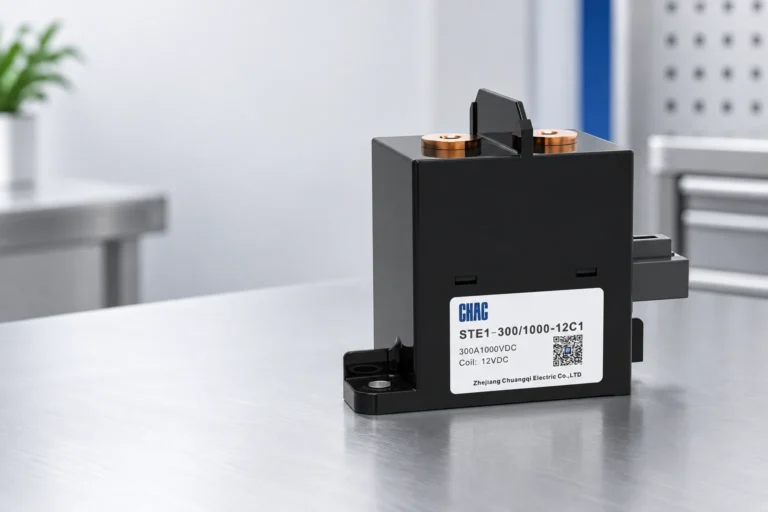
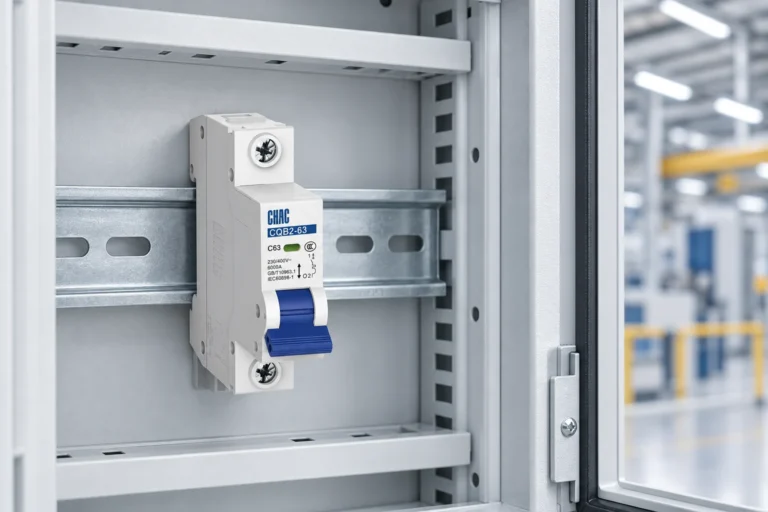
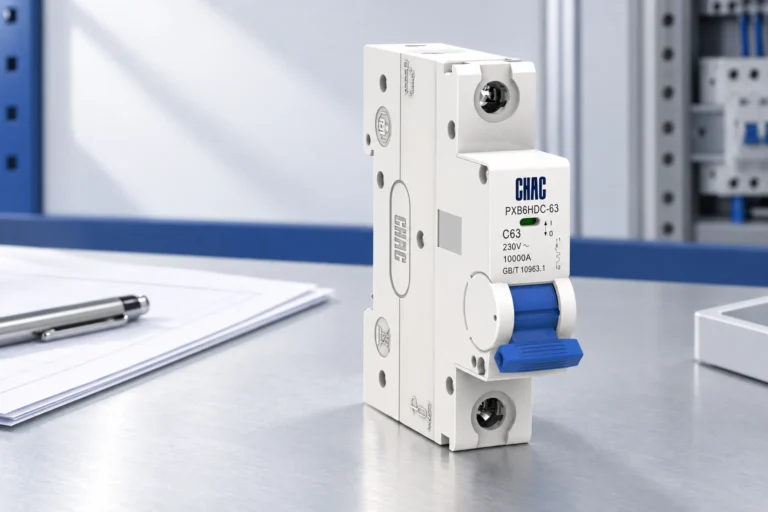
Over under voltage protector work starts with the circuit role, the project requirement, and selected-model documentation. Over-Under Voltage Protector RFQ Questions for Panel Programs helps panel builders organize those checks before a device is specified or an RFQ is issued. Voltage-guard selection stays with the monitored supply definition, reset expectations, and the selected-model instructions that govern those behaviors.
محتويات
Part 1. What decision does an over-under voltage protector RFQ support?
The RFQ asks which monitored supply, trip or disconnect behavior, and reset mode the panel needs under the project rules. It is a specification-input question, not a claim that one protector fits every feeder or machine control supply.
Part 2. Which supply and load inputs belong first?
Define the monitored voltage system, expected operating band, load sensitivity to undervoltage or overvoltage, and whether the device should open, signal, or both. These inputs prevent quoting from a generic voltage-protector label alone.
Part 3. How should reset behavior be written into the RFQ?
State whether automatic reset, manual reset, or another documented mode is required, and ask the supplier to confirm that mode in the selected-model documentation. Reset assumptions are a frequent source of mismatched field behavior.
مهم: Voltage-guard setpoints and reset behavior are model-specific; catalogue claims do not authorize values that are missing from the selected-product documentation. (المصدر — IEC low-voltage control and protective device standards discovery)
Part 4. Where do interfaces and indication need explicit fields?
If the design needs auxiliary indication, interlocking with other devices, or a specific modular footprint, list those interfaces separately. Do not infer them from an enclosure photo.
Part 5. What documentation should buyers request?
Request model identification, installation instructions, monitoring and reset descriptions, and any project evidence pack named in the RFQ. Compare quotations against that evidence, not against marketing adjectives.
تسهل قائمة إدخال طلب عرض الأسعار (RFQ) المدمجة مقارنة ردود الموردين:
| يجب على المشتري توفير | لماذا هذا مهم | خطأ شایع |
|---|---|---|
| مجموعة الرسومات الحالية | يحدد حدود الدائرة الكهربائية | إرسال اسم منتج بدون رسم توضيحي |
| الوظائف المطلوبة | تجعل الطلب قابلاً للمراجعة | التعامل مع الخيارات غير المؤكدة كمعايير قياسية |
| سياق التثبيت | يحدد شروط المشروع للتأكيد | باستراض أن نسخ الفئة يمثل موافقة على المشروع |
| طلب توثيق | يربط طلب عرض الأسعار بالدليل الدقيق | قبول المطالبات العامة بدلاً من بيانات النموذج |
| إرسال مع اقتباس | يجعل مقارنة الموردين قابلة للمراجعة | الاقتباس بدون حزمة الأدلة المطلوبة |
للحصول على سياق أوسع، راجع over under voltage protector product family والمتعلقة صفحة خط الإنتاج.
Part 6. Which CHAC product route starts sourcing?
The CQAU2 over-under voltage guard switch product route is a suitable starting point after the monitored-supply inputs are written, with the terminal-electrical category for family context. The route does not by itself prove every setpoint or reset option for a given panel.
توصية بالمنتج
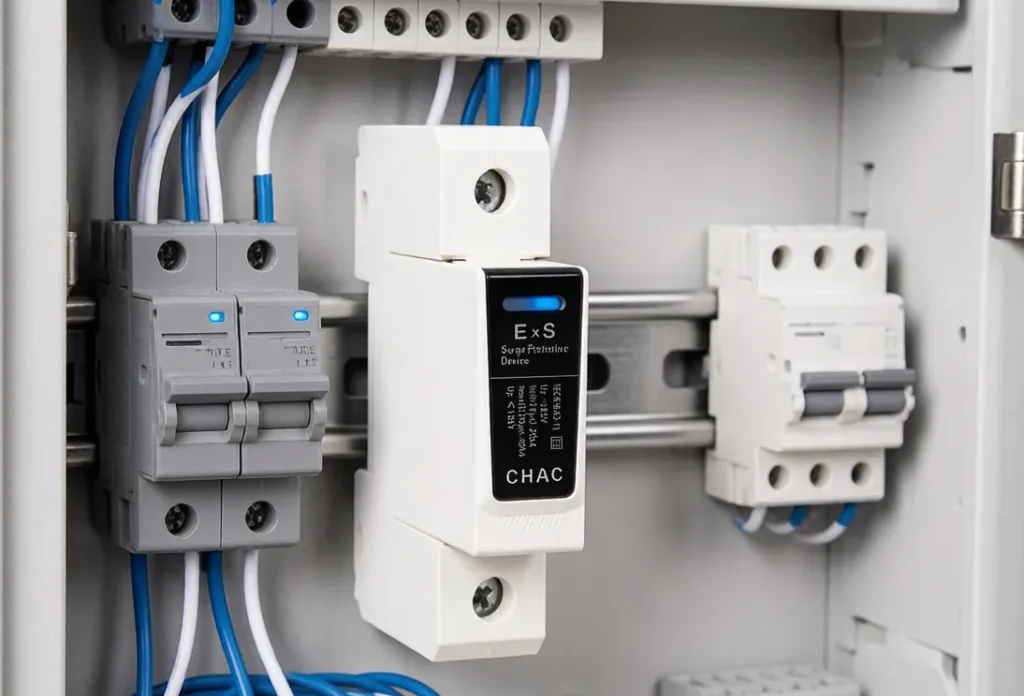
مانع الصواعق القابل للوصول أحادي القطب من سلسلة ExS-T1T2-AC | CHAC Electric

استخدم المنشور صفحة منتج CHAC ذات الصلة as a documented product route starting point for a product discussion only after the RFQ inputs are complete. Branded packaging for voltage-guard devices can be raised on the صفحة تخصيص التوصيلات الكهربائية. Two devices labeled over-under voltage do not automatically share the same monitoring range, reset mode, or contact arrangement.
Part 7. Where does voltage-protector RFQ support hand off to settings review?
Use this article for early RFQ preparation. It is not permission to set thresholds without selected-model data, and it is not a substitute for the MCCB undervoltage-release accessory discussion when that is the actual device class on the drawing. Add a drawing review of the monitored supply and load side so reset behavior is not confused with feeder protection duties.
قراءة ذات صلة: مقالٌ أضيق نطاقاً نُشِرَ مسبقاً في مجلة شاك تم ربطه للسياق، وليس كبديل لنطاق قرار هذه المقالة.
Send the monitored-circuit notes and reset expectations to اتصل بـ CHAC Electric for a voltage-protector product-route discussion.
Fit Boundary: this RFQ guide stops before setpoint approval, discrimination claims, or energized adjustment work.
الأسئلة المتكررة
Is an over-under voltage protector the same as an MCCB undervoltage release?
No. They are different device roles; confirm which one the drawing actually specifies.
Can reset mode be assumed from the product name?
No. Confirm automatic, manual, or other documented reset behavior from the selected model.
What supply data belongs in the RFQ?
Monitored system voltage context, expected operating band intent, and the action required on abnormal voltage.
Why request installation instructions early?
Terminals, indication, and reset controls are model-specific and affect enclosure layout.
What should a supplier map in the quotation?
Requested monitoring duty, reset mode, interfaces, and the exact model evidence pack.
When should setpoints be finalized?
Finalize them only after the selected-model documentation and project rules are reviewed by the responsible designer.