

Single-pole and double-pole MCB selection begins with the conductors that the circuit must switch and protect. A familiar pole label is not enough: a single-phase circuit may be line-to-neutral or line-to-line, and a two-pole product may have a different protected-pole arrangement from another two-pole product.
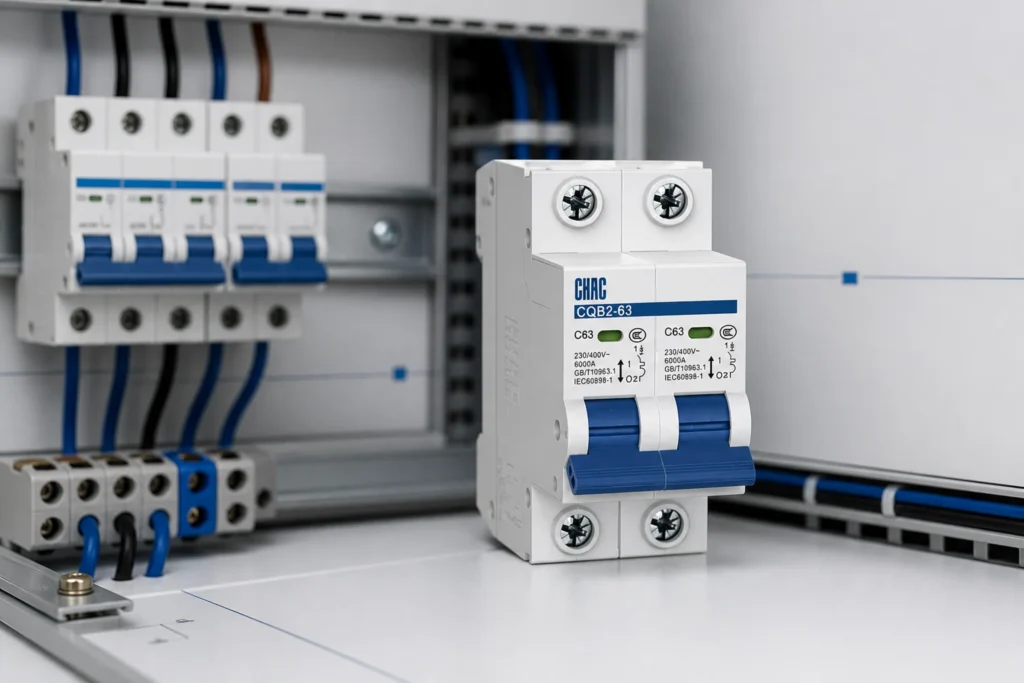
A practical way to frame the pole decision
Draw the complete circuit first, including the source, neutral, protective conductor, shared neutrals and the intended isolation point. Then record whether each pole is switched, protected, or both. The MCB selection range can be reviewed after those inputs are fixed, not before.
Which conductors must the device disconnect?
A single-pole MCB may suit a line conductor where the applicable installation rules permit that arrangement. A double-pole device may be required where line and neutral must open together, but the selected model must document how the neutral pole is treated. Shared or borrowed neutrals are a common reason to stop and redraw the circuit.
What does a single-pole MCB actually cover?
One pole does not automatically describe the entire circuit’s isolation or fault behaviour. Verify the rated voltage, breaking capacity, protected pole and the installation rule for the circuit topology. A nominally single-phase supply is not always a line-to-neutral supply.
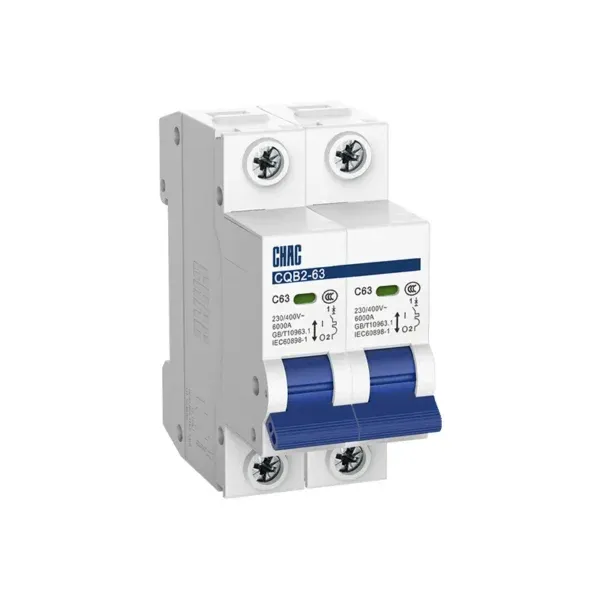
Why should 1P+N be reviewed separately from 2P?
1P+N commonly indicates line-and-neutral switching with overcurrent protection on the line pole, while a 2P device can have another protection arrangement. Treat the labels as a prompt to inspect the wiring diagram and markings, not as interchangeable product names.
When does a double-pole MCB become the better review route?
Consider it when simultaneous disconnection is required by the design or local rules, when the supply arrangement makes both conductors part of the isolation boundary, or when the selected product’s documented ratings match that duty. Pole count does not by itself increase breaking capacity.
How should the comparison appear on the panel schedule?
List the circuit topology, pole configuration, protected poles, AC or DC duty, rated voltage, breaking capacity, trip curve and neutral arrangement as separate fields. This makes supplier responses comparable and exposes missing information before the bill of materials is released.
Which product pages can support the shortlist?
For a model-level check, review the CQB2-63 miniature circuit breaker page and compare its published configuration with the panel drawing. Related MCB options should be treated as separate model reviews.
When is pole count not enough for final selection?
Stop the comparison and return to the responsible designer when the project needs discrimination, local-code interpretation, a DC application, shared neutrals or model-specific approval. IEC 60898-1 و IEC 60947-2 have different scopes, so the applicable standard must be identified rather than assumed.
For a double-pole MCB selection, the final schedule should show the actual line and neutral arrangement, protected-pole designation and the evidence used to approve the device.
That record is also useful when a later service change introduces a shared neutral or a different supply topology. The installer can see which assumptions were part of the original approval instead of treating the pole label as a universal rule.
It also gives the panel reviewer a clear way to reject a nominally similar device when its terminal marking, neutral treatment or permitted voltage does not match the approved circuit.
الأسئلة المتكررة
الفرق الأساسي بين قاطع الدائرة المصغر (MCB) أحادي القطب (1P) وثنائي القطب (2P) هو أن قاطع 1P يقطع ويفصل سلك الخط (الكهرباء) الحار فقط، بينما قاطع 2P يقطع ويفصل كلا من سلك الخط الحار وسلك المحايد (النيوترال) في نفس الوقت.
قاطع الدائرة المصغر احادي القطب (1P MCB) يحتوي على قطب واحد للموصل المخصص له. قاطع الدائرة المصغر ثنائي القطب (2P MCB) يحتوي على قطبين مرتبطان ميكانيكياً ويفتحان معاً. يجب أن تؤكد وثائق المنتج المختار وظيفة وترتيب حماية كل قطب.
هل 1P+N هو نفسه 2P؟
لا. يُعتبر ملصق (1P+N) مرتبطة عادةً بتبديل الطور والمحايد مع حماية ضد التيار الزائد على قطب الطور، بينما قد يحتوي الجهاز ثنائي القطب (2P) على ترتيب مختلف للأقطاب المحمية. تأكد من مخطط الأسلاك وعلامات المنتج قبل اعتبارها بدائل.
هل تثبت العلامة 2P أن كلا القطبين محمي؟
لا، عدد الأقطاب وحدها لا يحدد كيفية حماية كل قطب. اطلب ورقة البيانات الخاصة بالطراز المحدد ومعلومات الأسلاك، ثم قارنها بمتطلبات الدائرة.
هل يمكن استخدام قاطع الدائرة المصغر (MCB) المخصص للتيار المتناوب (AC) في دائرة التيار المستمر (DC)؟
فقط عندما يكون الجهاز المذكور مصنفاً وموثقاً صراحةً للاستخدام المستمر بالتيار المستمر (DC) المقصود. يتناول المعيار IEC 60898-2 متطلبات إضافية لقواطع التيار المتردد/المستمر أحادية وثنائية القطب المؤهلة، لكنه لا يجعل كل قاطع دورة مصغر (MCB) للتيار المتردد مناسباً للتيار المستمر.
ما هي المعايير التي يجب على مصنع لوحات التوزيع مراجعتها عند طلب قاطع الدائرة المصغر (MCB)؟
ابدأ بقاعدة المعيار والتركيب المذكورة في وثائق المشروع. يغطي المعيار IEC 60898-1 قواطع الدائرة ذات التيار المتردد للاستخدامات المنزلية وما شابهها ضمن نطاقه، بينما يمثل المعيار IEC 60947-2 سياقاً لمعايير قواطع الدائرة منخفضة الجهد للأشخاص المؤهلين أو ذوي الخبرة. وتحدد متطلبات المشروع وثائق النموذج المختار الأساس النهائي.
ما الذي يجب تضمينه في طلب عرض الأسعار (RFQ) لقواطع الدائرة المصغرة (MCB)؟
قم تضمين المخطط أحادي الخط، وترتيب التغذية والدائرة، والموصلات المراد تبديلها، ومتطلبات الأقطاب المحمية، وتيار التيار المتردد أو المستمر، والمعيار المطبق، ودليل الطراز المحدد المطلوب، وقيود اللوحة، وأي طلب للعلامة التجارية أو التعبئة والتغليف.
متى لا يكون هذا الدليل كافياً للاختيار النهائي؟
لا يكفي ذلك عندما يتطلب المشروع تنسيقاً نهائياً، أو تفسيراً للقوانين المحلية، أو توجيهاً للعمل المباشر، أو موافقة خاصة بنموذج معين. تتطلب تلك القرارات معلومات الدائرة الكهربائية والحمل الفعلية، والقواعد المحلية، وثائق المنتج المختار.


