Pitted Contactor Contacts? Causes, Diagnosis and a Replacement Solution
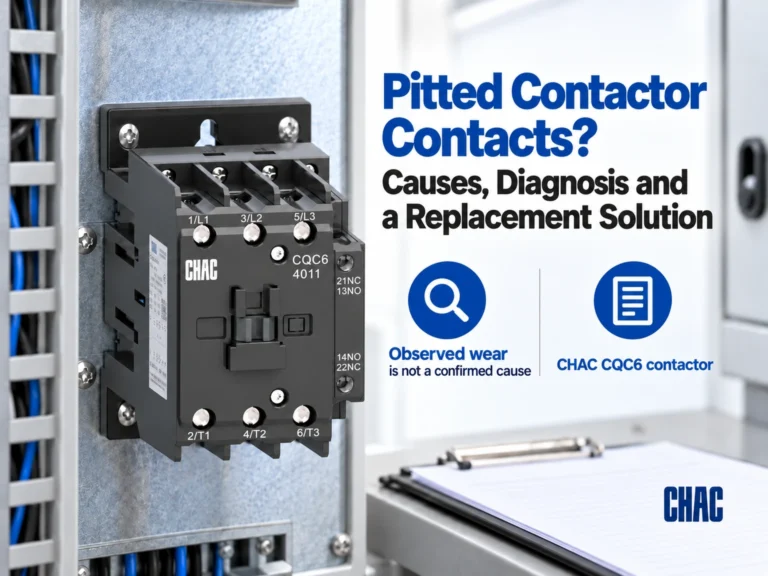
Assess pitted contactor contacts by checking wear, coil behavior and switching duty, then decide whether an approved repair or complete replacement is appropriate.


Assess pitted contactor contacts by checking wear, coil behavior and switching duty, then decide whether an approved repair or complete replacement is appropriate.

Choose an electric stove or washing machine breaker size from the appliance instructions, then verify conductor ampacity, circuit protection and panel compatibility.
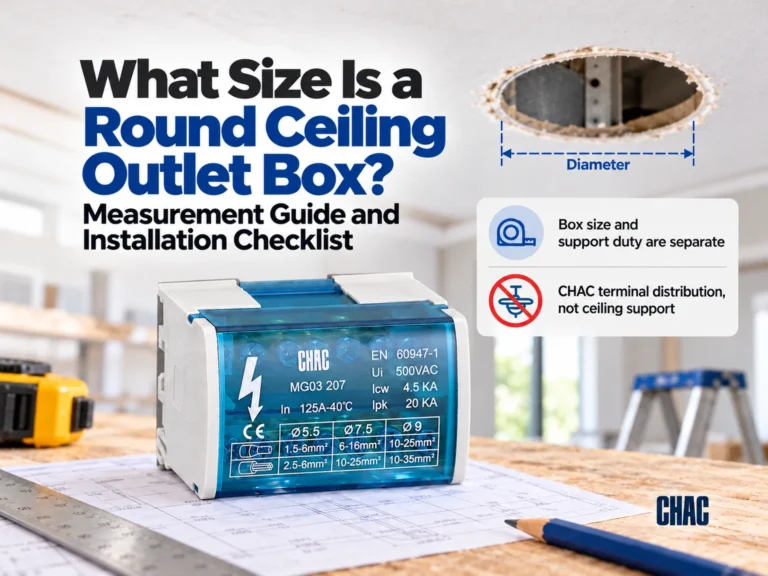
Check round ceiling outlet box size using a real product example, then verify depth, wiring capacity and the separate support requirements for fixtures or fans.
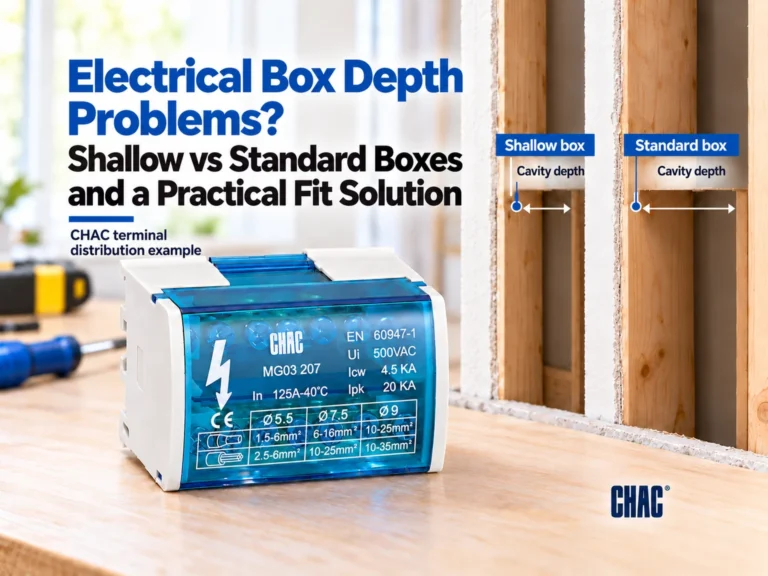
Resolve shallow electrical box depth problems by checking wall clearance, device depth and fill before choosing a deeper box or a permitted alternative.
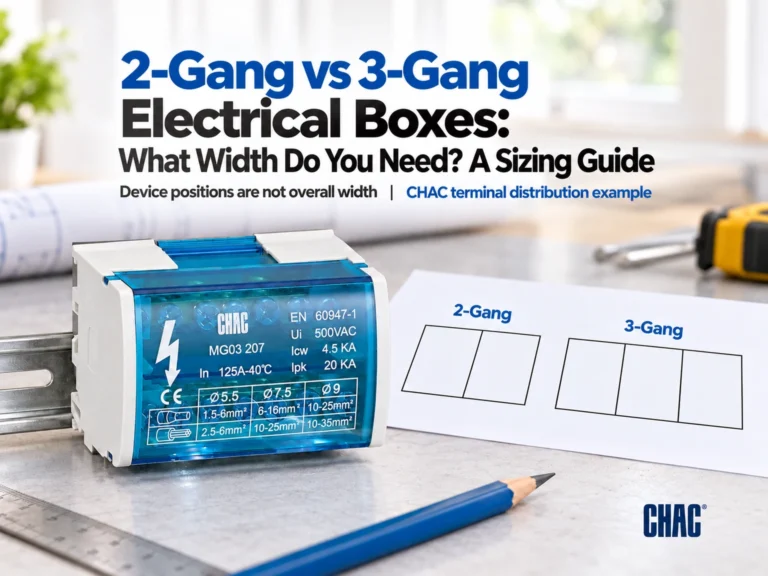
Compare 2-gang and 3-gang electrical box dimensions using real model widths, then check covers, wall openings, depth and wiring capacity.

Choose single-gang electrical box dimensions by checking a real model drawing, wall depth, device clearance and box fill before making the cutout.
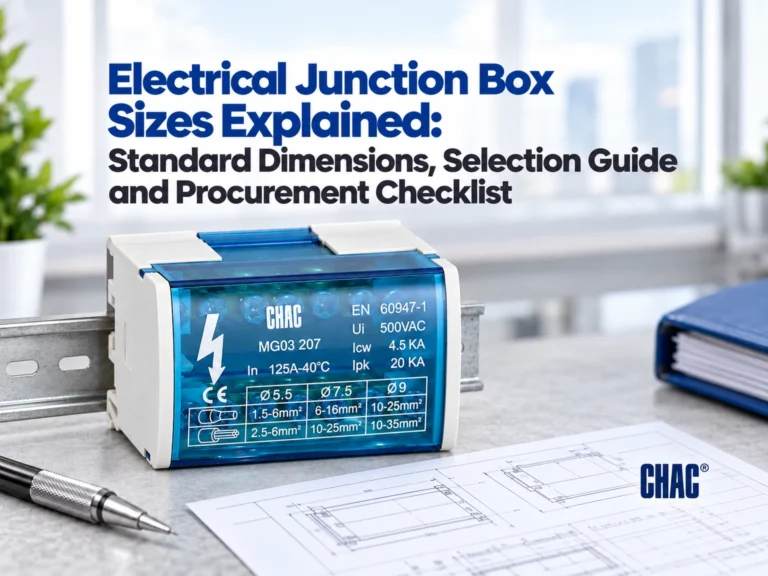
Choose electrical junction box sizes by the actual dimensions, usable wiring space, mounting method and enclosure requirements rather than the nominal size alone.
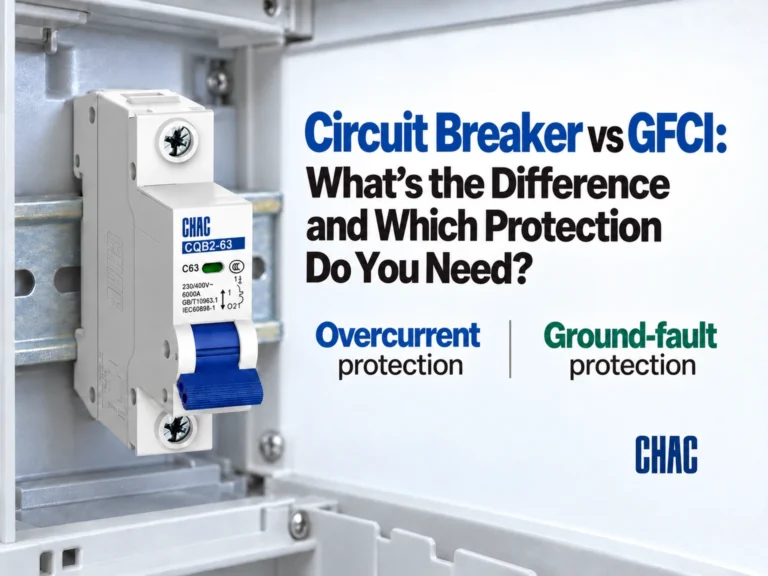
Compare circuit breakers and GFCIs by overload, short-circuit and leakage protection, then identify when a circuit needs separate or combined devices.
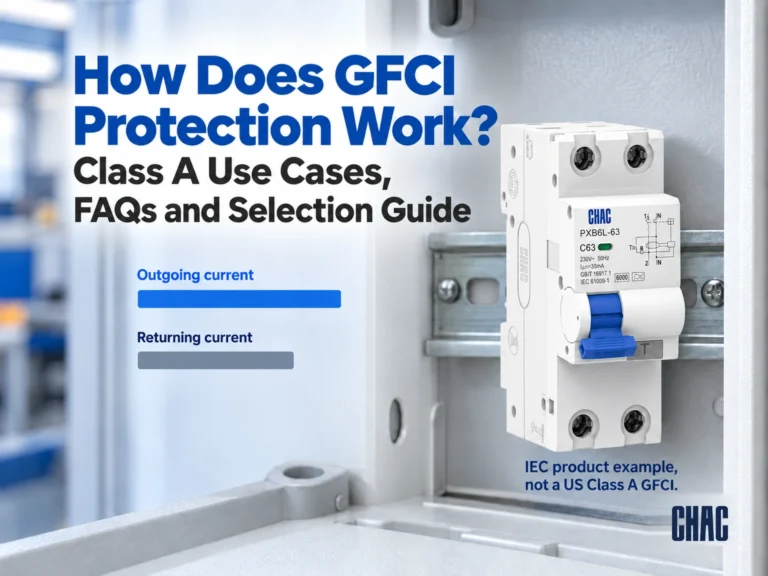
Learn how Class A GFCI protection detects leakage, why it trips and which checks distinguish personnel protection from ordinary circuit protection.
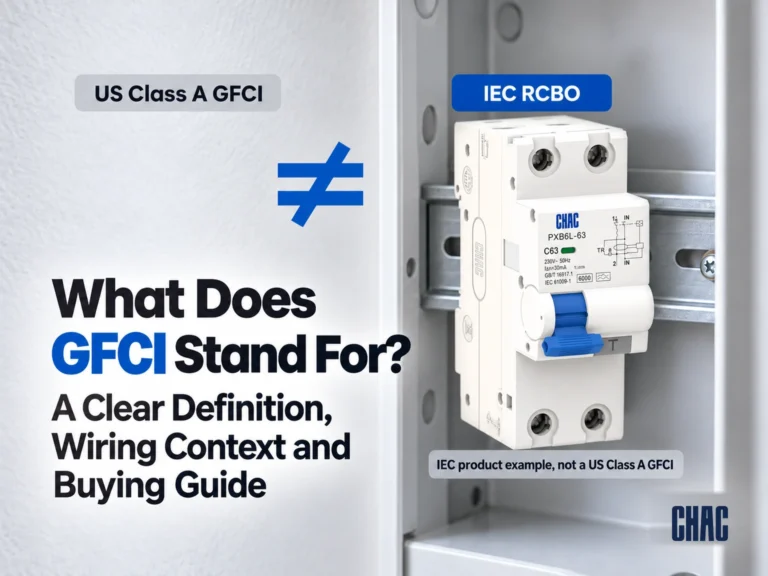
GFCI stands for ground-fault circuit interrupter; learn what it detects, why it trips and how to choose protection without confusing it with an ordinary breaker.