Two panels installed in the same year can have very different service conditions. One may remain dry and lightly loaded, while another has experienced water entry, repeated faults or undocumented alterations. Calendar age helps plan inspection, but it cannot establish condition by itself.
Summary: Electrical panel lifespan is not a universal expiry date. Evaluate physical condition, fault and maintenance history, available support and suitability for the present load. Damaged or suspect equipment needs qualified assessment; an age-based rule cannot substitute for inspection.
Assess whether the electrical panel still suits the installation
An electrical panel lifespan review should include enclosure condition, evidence of overheating or moisture, mechanical damage, circuit identification and the history of protective operation. Do not remove covers or touch exposed equipment simply to complete a checklist. Qualified personnel should determine the appropriate inspection and tests.
Even a panel in apparently good condition may no longer suit the installation. New loads, changed fault conditions or unavailable approved replacement devices can affect the decision. Conversely, age alone does not prove that every component has reached an identical limit. Use equipment instructions and documented findings.
Investigate repeated breaker trips and signs of panel damage
Electrical panel inspection should distinguish an overloaded circuit, a fault, an unsuitable device and damaged equipment. Replacing a breaker without understanding the cause can leave the underlying problem in place. OSHA 1910.334 addresses safe re-energization and prohibits repetitive manual reclosing in the circumstances it covers.
Use the exact circuit breaker documentation for any proposed replacement, including the permitted assembly arrangement. A modern DIN-rail device is not automatically a replacement for a different panel system. If the enclosure or assembly needs replacement, compare distribution box options against the new approved design rather than appearance alone.
Plan the panel upgrade around loads, shutdowns and final testing
A panel replacement plan should identify current and future loads, supply constraints, isolation arrangements and the shutdown window. Include utility coordination where required, temporary supplies where justified and final testing. The panel’s physical dimensions are only one part of the scope.
Retain the reason for replacement and the final device schedule with the handover records. If only part of an installation is replaced, identify what remains and whether further work is required. This helps prevent a later contractor from assuming the whole system was upgraded at the same time.
Compare the full cost of repairing or replacing the electrical panel
A repair may be reasonable when the fault is defined and a permitted repair restores suitability. Replacement may be more practical when damage, obsolete support or changed requirements affect the complete assembly. The responsible qualified professional should establish the options.
Compare the cost of equipment, labor, shutdowns, documentation and expected follow-up work. Do not present a fixed replacement price without a local scope and quotation. A low initial repair price can be misleading if the same access and shutdown work must be repeated soon afterward.
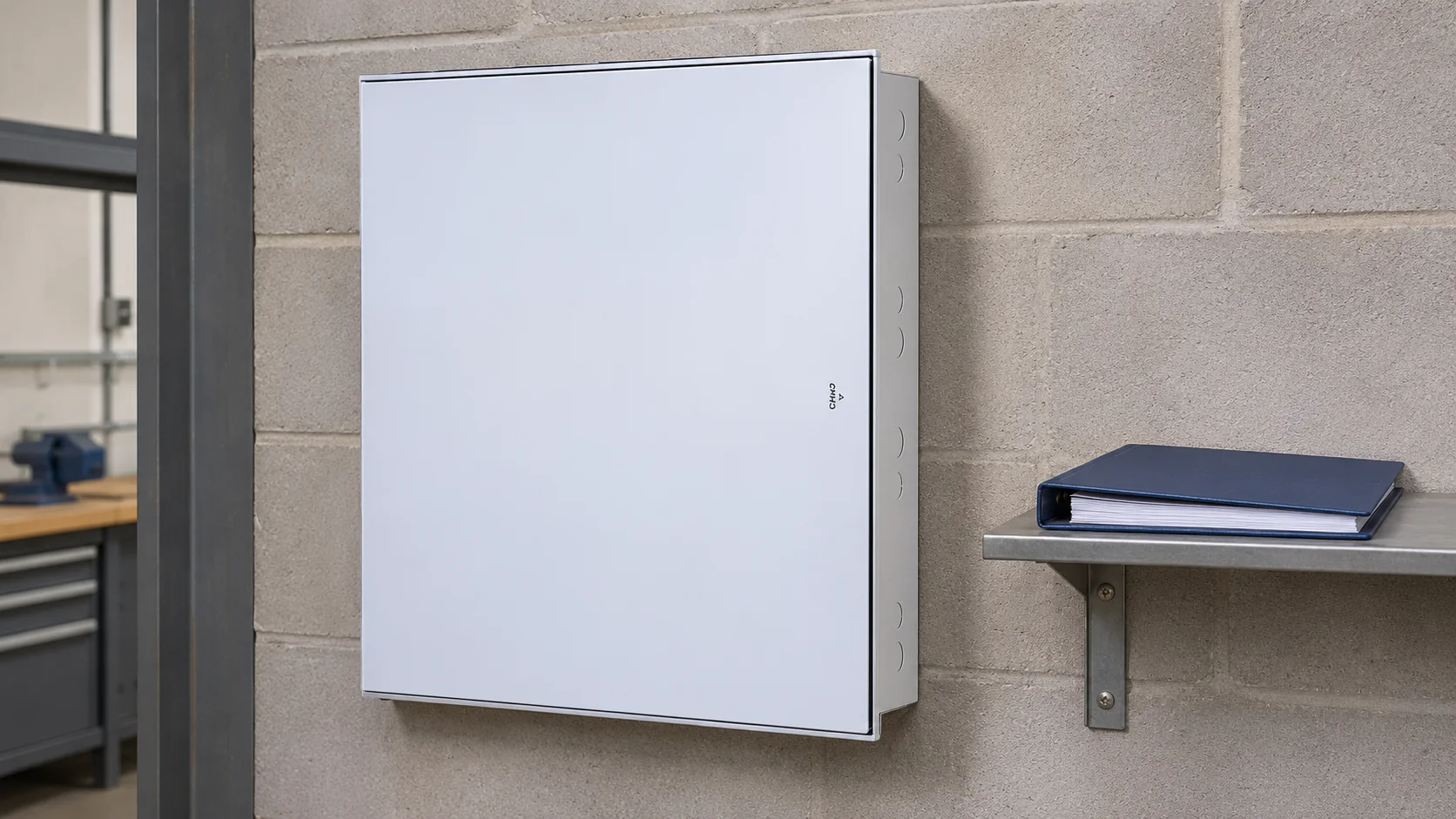
Which inspection findings call for repair, replacement or redesign?
| Finding | Possible response | Required confirmation |
|---|---|---|
| Defined repairable defect | Specified repair | Suitability restored and recorded |
| Significant damage | Replacement assessment | Extent and cause of damage |
| Obsolete support | Upgrade planning | Availability of permitted parts |
| New loads | Design review | Capacity and protection suitability |
How age, environment and load changes affect panel replacement planning
| Planning factor | Why it matters |
|---|---|
| Age | Context for history and support |
| Environment | Moisture, contamination and heat exposure |
| Fault history | Potential damage and unresolved causes |
| Future load | Suitability of the next configuration |
Check installation requirements before returning a panel to service
Apply the relevant installation and equipment requirements to the retained or replacement assembly. OSHA 1910.334 covers safe equipment use and re-energization in relevant US workplaces. No general service-life claim overrides the need to address damage or an unsuitable installation.
Use the condition report to specify replacement protection and enclosures
Obtain a condition report and an agreed replacement scope before ordering. CHAC Electric can provide protection and enclosure product information for the new design, with exact compatibility and destination requirements confirmed by the responsible project team.
Common questions about electrical panel lifespan and replacement
Should a 50-year-old electrical panel be replaced?
It deserves a qualified assessment of condition, support and present requirements. Age is relevant but does not establish the decision on its own; damage or unsuitable equipment can require action regardless of age.
How often should an electrical panel be replaced?
There is no universal replacement interval for every panel and environment. Follow equipment guidance and a condition-based assessment of the installation.
What is the average cost to replace a panel?
Cost depends on the local market, service arrangement, equipment, wiring changes and shutdown requirements. Obtain a quotation for the complete approved scope.
What is the 120 percent rule for electrical panels?
The phrase is often associated with particular load-side power-source interconnection and busbar arrangements under US rules, not a service-life rule. The exact connection method and adopted code must be reviewed by a qualified designer.
What warning signs need attention?
Smoke, burning odor, visible damage, moisture entry, unusual heating or repeated trips warrant prompt qualified assessment. Keep away from suspect equipment and do not repeatedly reset it.
Can I replace only the breaker?
Only when the cause is understood and the exact replacement is permitted for the assembly. A new breaker does not repair damaged buswork, wiring or enclosure parts.
Related reading: Electrical Panel Box Dimensions: Planning Space for Protection Equipment.
References
For a model-specific enquiry, review CHAC Electric products and send the application requirements with the destination, quantity and required documentation.