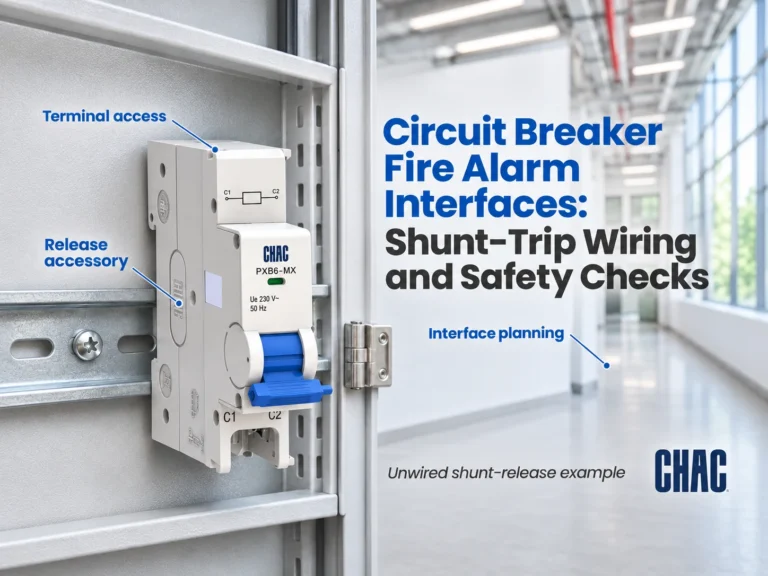
Circuit Breaker Fire Alarm Interfaces: Shunt-Trip Wiring and Safety Checks
Plan circuit breaker fire alarm interfaces by separating alarm supply from shutdown control and checking shunt-trip voltage, compatibility and testing.


Plan circuit breaker fire alarm interfaces by separating alarm supply from shutdown control and checking shunt-trip voltage, compatibility and testing.
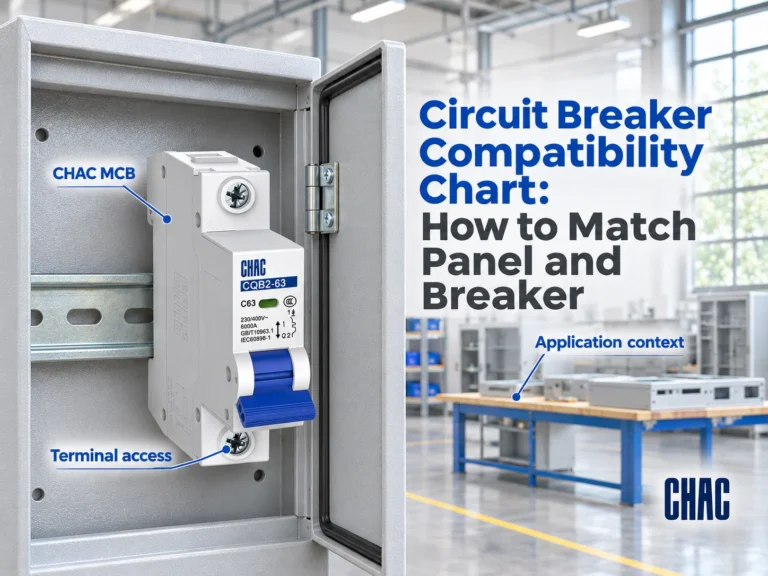
Use a circuit breaker compatibility chart only with the exact panel label, breaker type and classification documents to verify an approved match.
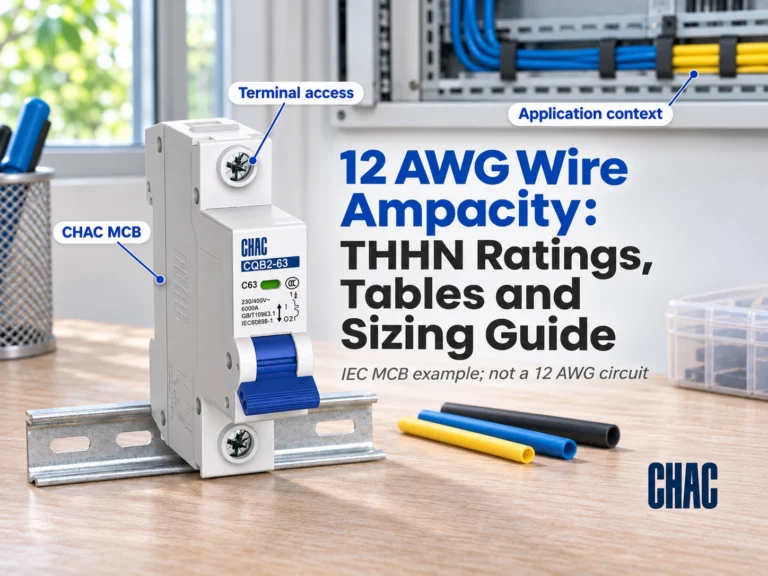
Check 12 AWG wire ampacity against THHN temperature ratings, the usual 20 A protection limit, terminal conditions and permitted equipment exceptions.
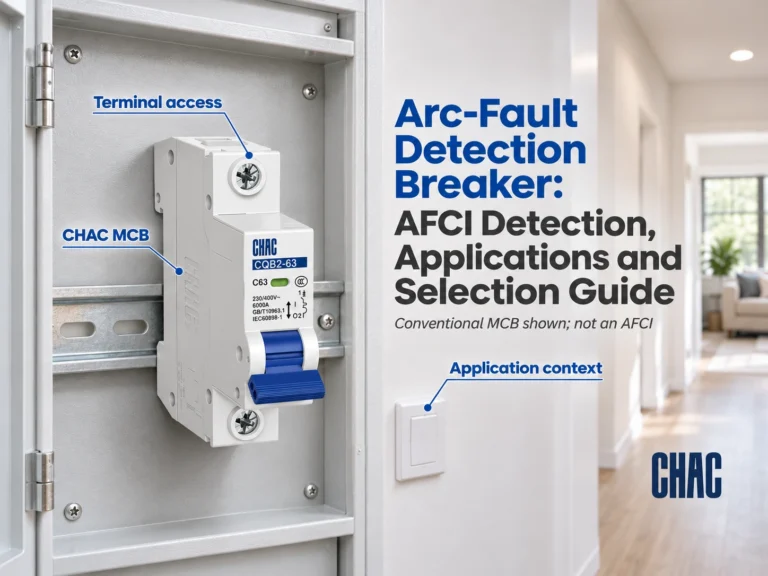
Understand AFCI and AFDD arc-fault detection, how it differs from GFCI protection and what to verify before selecting or replacing a device.

Compare European copper and aluminum busbar manufacturers by product form, processing capability, joint design and documentation before sourcing.
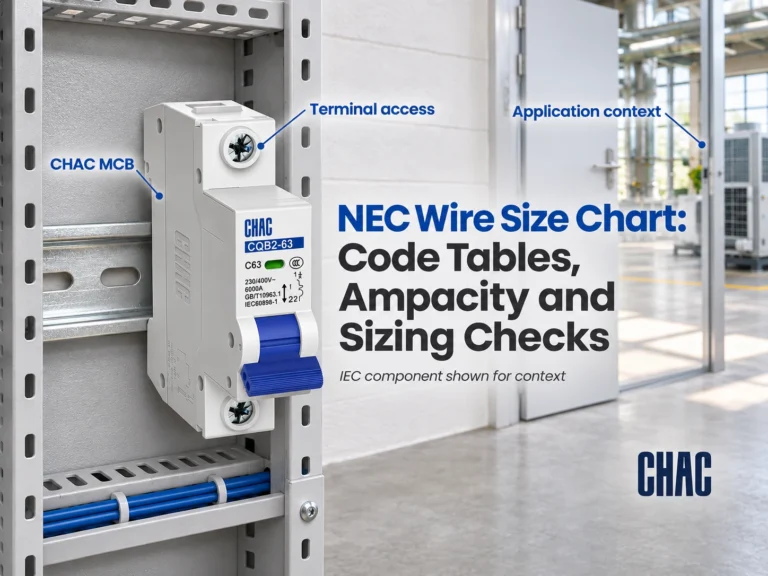
Read an NEC wire size chart correctly by checking load, insulation, terminal temperature, adjustment factors and the applicable protection rules.
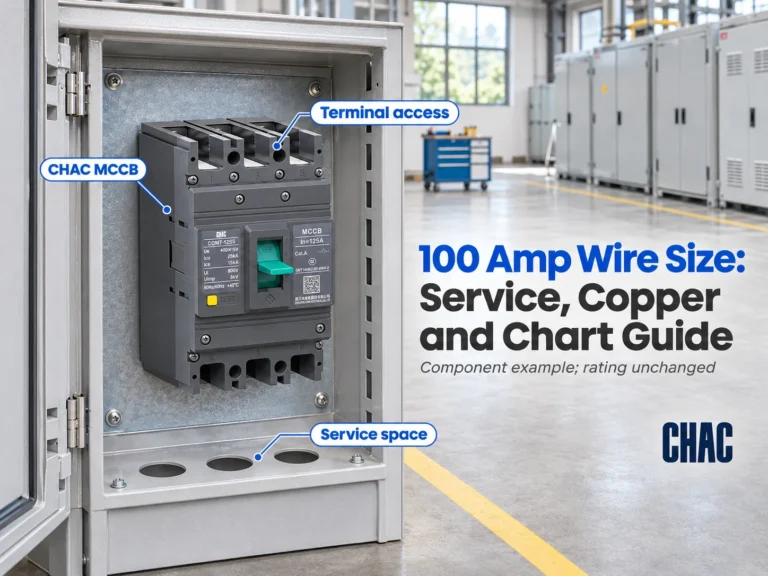
Compare 100 amp wire size chart assumptions for dwelling services and ordinary feeders, including copper, aluminum, terminals and voltage drop.

Specify a motor control center by its starter functions, fault rating, isolation, control supply and maintenance needs before comparing suppliers.
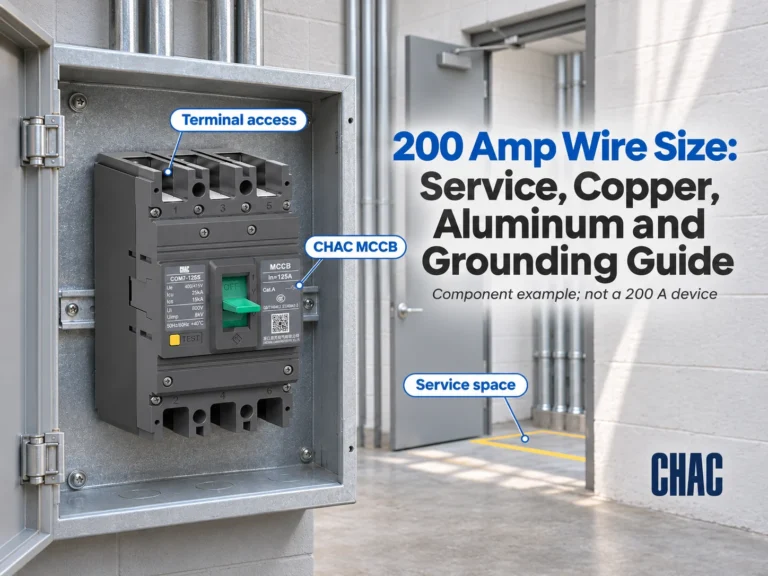
Check 200 amp wire size using dwelling-service eligibility, copper or aluminum ampacity, terminal limits and separate grounding requirements.