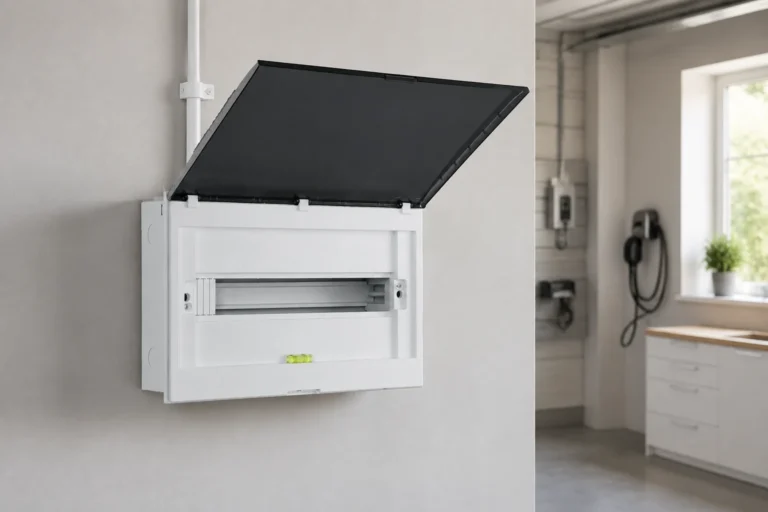
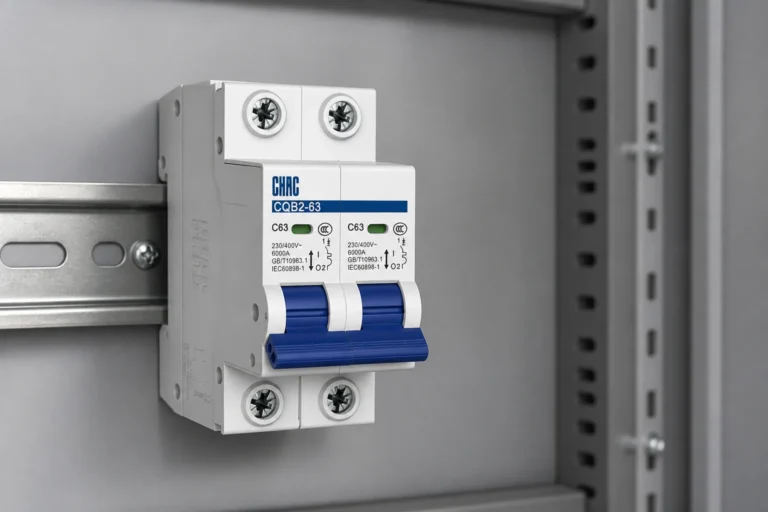
The correct electric range breaker size cannot be chosen from the receptacle shape or from a generic online chart. Start with the appliance nameplate and installation instructions, calculate the load using the code adopted for the project, verify conductor ampacity and equipment ratings, and then choose a breaker that protects the wiring. The same sequence applies to an oven, cooktop, stove, or cooker, but the final rating can change with the appliance data and jurisdiction.
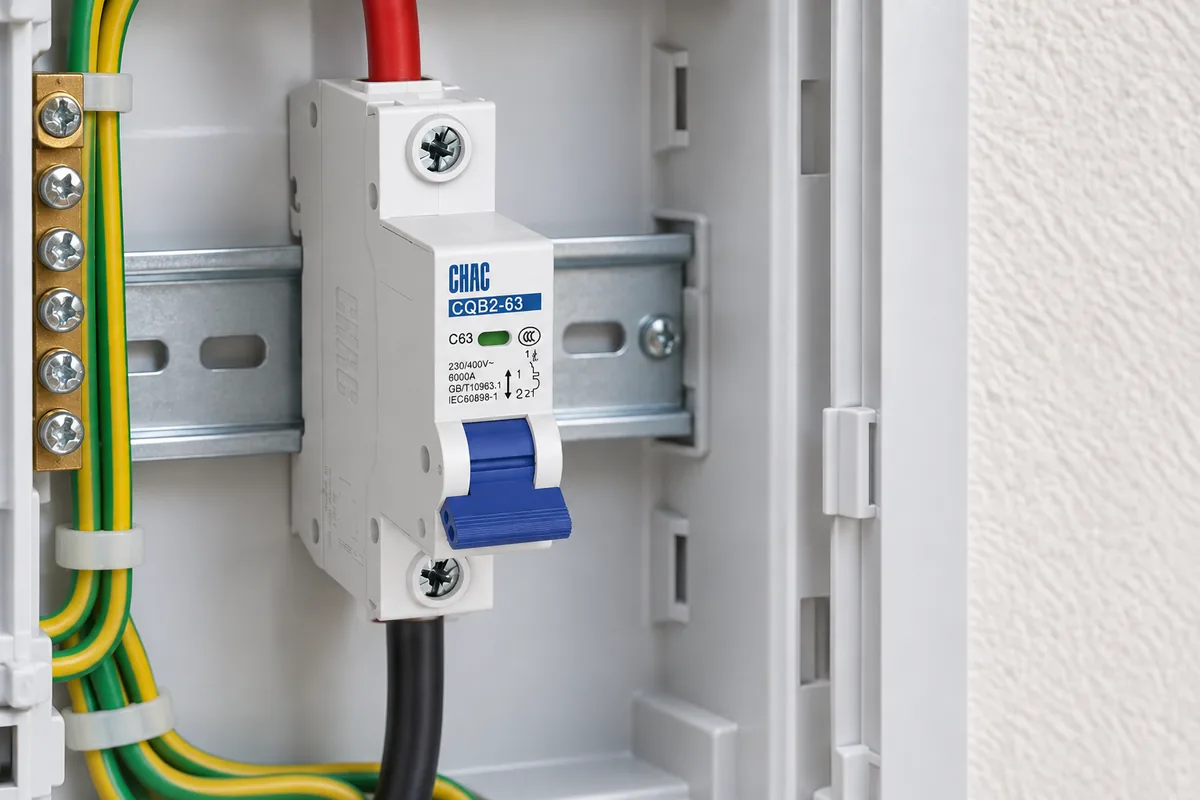
What size breaker does an electric range need?
There is no single breaker size for every electric range. The required rating depends on the appliance nameplate, rated voltage, calculated demand, conductor ampacity, circuit configuration, receptacle or disconnect rating, and local code. A manufacturer may specify a minimum circuit ampacity or maximum overcurrent protection; those instructions must be reconciled with the adopted installation rules.
Use the exact appliance model and installation manual. If the nameplate is missing, stop and obtain it rather than copying the rating from a similar-looking range. The CHAC MCB category can help with product-family context, but it does not replace the appliance and wiring calculation.
How should a range circuit be sized?
- Read the range, oven, or cooktop nameplate and record rated voltage and input data.
- Check the manufacturer’s minimum circuit ampacity, maximum protective-device rating, conductor type, and connection method.
- Apply the demand method required by the adopted electrical code; do not assume the nameplate value is always the feeder current.
- Confirm the conductor ampacity, insulation temperature, terminal ratings, installation method, and ambient conditions.
- Choose the breaker pole configuration and rating that protect the conductor and satisfy the appliance instructions.
- Verify the panel, receptacle or disconnect, cable route, labeling, and inspection requirements before energizing.
| Input | Why it changes the answer | Evidence |
|---|---|---|
| Appliance nameplate | Defines the actual equipment duty and manufacturer limits | Photograph or installation manual |
| Rated voltage and phase | Changes current, pole arrangement, and connection method | Electrical schedule and diagram |
| Calculated demand | The code may apply a permitted demand method to cooking equipment | Designer’s calculation and adopted code |
| Conductor and terminals | The breaker must protect the installed wiring and remain within terminal limits | Cable data and manufacturer instructions |
| Panel and disconnect | Compatibility, space, rating, and local isolation rules still apply | Panel schedule and product evidence |
Why must breaker and wire size be checked together?
The breaker protects the circuit conductors from overcurrent. Installing a larger breaker on an existing cable to stop nuisance trips can leave the conductor under-protected. Installing a smaller breaker may prevent the appliance from operating as designed, but it is not a reason to ignore a damaged cable, loose termination, overload, or incorrect demand calculation.
For a replacement, document the existing conductor size and material rather than relying on the old breaker label. The panel’s busbar, terminal, and enclosure limits also matter. Use CHAC’s electrical distribution equipment information only after the project’s electrical conditions are known.
Does the 80% rule apply to every range?
Do not apply a simplified “80% rule” to every appliance without checking the adopted code and the load classification. Some rules treat a continuous load differently from noncontinuous cooking equipment, while demand provisions may address ranges and cooking appliances separately. The responsible designer must identify which rule applies, document the assumptions, and use the current local edition.
What should be checked at the panel?
Before energizing, confirm the breaker model and pole configuration, panel compatibility, conductor terminations, torque, grounding and bonding, neutral arrangement, receptacle or disconnect rating, circuit label, cover fit, and required inspection or permit. Test according to the appliance, breaker, panel, and local procedures. If a range circuit trips, investigate the load, wiring, and connection condition before changing the breaker.
FAQs
What size breaker for an electric range?
Use the appliance nameplate, manufacturer instructions, calculated demand, conductor ampacity, panel limits, and local code. There is no universal rating for every range.
What size wire is needed for an electric range?
The conductor must be selected from the calculated load, installation method, conductor material, temperature, terminals, and adopted code. The breaker and wire must be checked as one circuit.
What amp breaker is needed for an electric oven or cooktop?
Start with the exact appliance nameplate and manual. Ovens, cooktops, and full ranges can have different input and connection requirements.
Should breaker size match wire size exactly?
The breaker rating must protect the conductor under the applicable rules; it is not chosen by a simple “same number” shortcut. Verify ampacity and terminal conditions.
What should I do if the range breaker keeps tripping?
Stop resetting it repeatedly. Have a qualified person check appliance load, conductor condition, terminal torque, panel compatibility, and the reason for operation before changing the rating.
Sources for standards and further verification
- NFPA 70, National Electrical Code information
- UL Solutions standards and certification guidance
- International Electrotechnical Commission standards portal
Decision principle: choose an electric range breaker size only after the appliance, demand method, conductor, panel, and local code are verified together. CHAC Electric can help review the protective-device side through its technical contact channel when those inputs are available.