When a project engineer in Brisbane added three cable splices outside a production room, the junctions were hidden behind a panel and the first rain event caused intermittent sensor faults. The original quotation had specified a box by size only, with no ingress rating, gland plan, terminal schedule, or inspection access. The lesson was simple: an electrical connection box is a system of enclosure, entries, terminals, bonding, and maintenance space. The practical answer is to document electrical connection box as part of the complete electrical system.
Summary: A well-selected connection box protects joints from water, dust, impact, corrosion, and accidental contact while keeping inspection and future changes practical. Buyers should define environment, IP or NEMA target, material, cable entries, terminal capacity, earthing, heat dissipation, mounting, and documentation. The lowest box price can create the highest installed cost when access or sealing is wrong.Electrical connection box, junction box, and J-box are often used interchangeably, but the application can range from an indoor terminal enclosure to an outdoor cable transition. The specification must state what the box protects against and how an electrician will inspect, test, and expand the connection after handover. When the brief is clear, outdoor electric connection box can be compared using evidence instead of a generic marketing promise.
What Is an Electrical Connection Box?
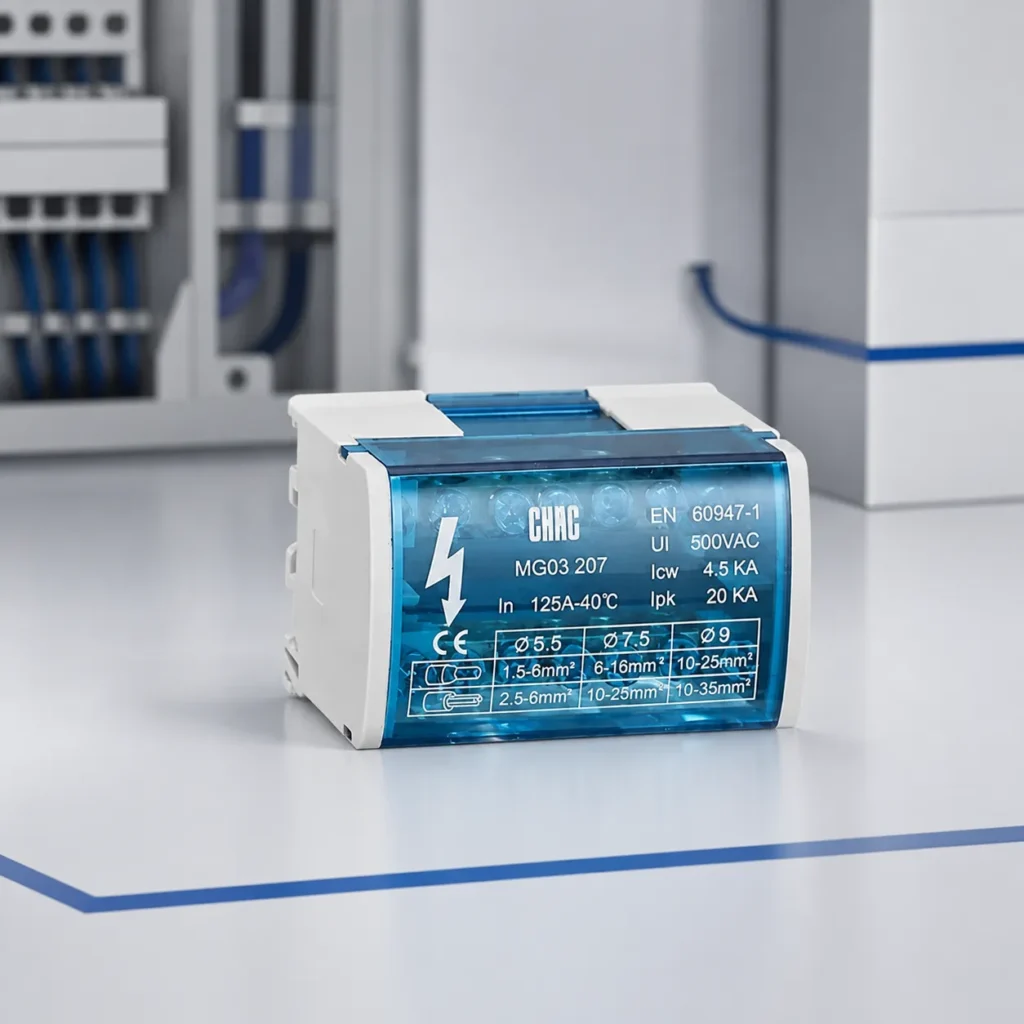
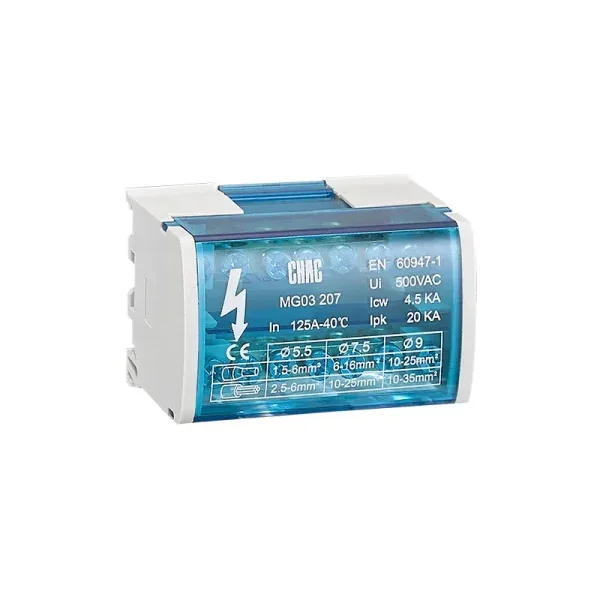
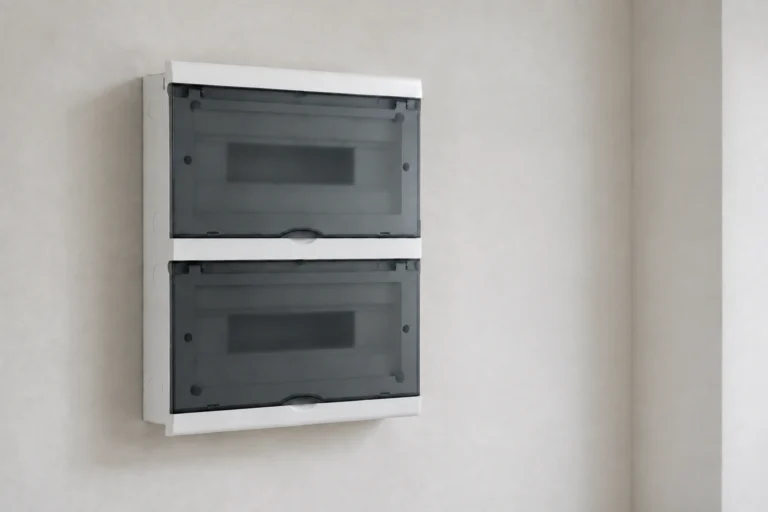
It is an enclosure that houses cable joints, terminals, or small distribution components while providing mechanical and environmental protection. The box may be surface mounted, recessed, metal, thermoplastic, or fitted with a transparent cover. Its job is not merely to hide a splice; it should preserve insulation clearances, strain relief, labeling, and safe access.
Which Environmental Rating Matters?
Select an ingress-protection target for dust and water, then consider UV exposure, salt spray, chemicals, impact, temperature, and condensation. An IP65 claim depends on the complete assembled box, cover, gasket, glands, and unused entries. Drilling extra holes on site can invalidate the rating. For hazardous locations, use the correct certified enclosure rather than adapting a general-purpose box.
How Should Cable Entries Be Planned?
Make a cable schedule before ordering. Record outer diameter, bend radius, gland type, entry direction, spare ways, and separation between power, control, and communication wiring. Leave enough conductor length for a second termination and maintain the manufacturer clearance around terminals. A tidy entry plan reduces water paths and makes fault tracing faster.
What Are the Safety and Maintenance Benefits?
A labeled box keeps joints accessible, reduces exposed conductors, and provides a controlled point for insulation and continuity tests. Metal enclosures may require bonding; plastic boxes need a clear protective-earth strategy for any metal gland plate or internal hardware. A cover that can be opened without disturbing live conductors improves planned maintenance but never replaces lockout procedures.
How Do Cost and ROI Change?
Compare the installed cost: box, glands, terminals, supports, drilling, sealing, labeling, inspection, and future labor. A slightly larger enclosure may allow a clean bend radius and spare terminals, avoiding a second visit. For outdoor projects, the cost of a failed sensor or corroded joint often exceeds the price difference between a basic box and a properly rated one.
How Should a Buyer Select a Supplier?
Request drawings, material data, gasket details, IP test evidence, accessory compatibility, and replacement-cover availability. CHAC provides electrical distribution equipment and connection solutions for low-voltage projects; identify the exact box, terminal system, gland arrangement, and mounting method in the purchase order so the installed assembly can be audited.
Which Parameters Should Be Written Into the RFQ?
Decision area
What to specify
Why it matters
Environment
Indoor, outdoor, UV, salt, chemical, impact
Sets enclosure material and rating
Entries
Cable OD, glands, spare ways, bend radius
Controls sealing and installation time
Safety
Clearance, bonding, labeling, lockout access
Reduces shock and maintenance risk
Service
Cover, terminals, test access, expansion
Protects lifecycle cost
We recommend measuring the installed result as well as the catalog value. Photograph terminals, record torque and test readings, and keep the approved drawing with the delivery lot. That record makes electrical box connections auditable when a replacement or expansion is needed.
How Should Buyers Select the Product and Supplier?
Define voltage, current, duty, environment, fault level, and the user or machine risk before asking for a quote.
Request the exact datasheet, wiring diagram, certificate, test evidence, accessories, and replacement policy.
Approve a sample or first-article inspection and verify the installation, not only the packaging.
Record serial, batch, settings, torque, and commissioning results in the maintenance or project file.
Compare landed cost, lead time, spares, service response, and change notification before release.
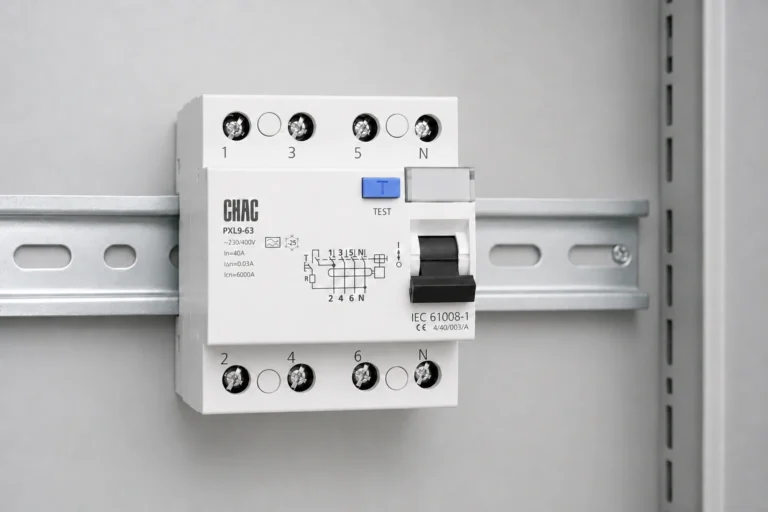
CHAC is a China-based OEM/ODM low-voltage electrical appliance manufacturer and global electrical system solutions provider. Its product lines include terminal electrical appliances, MCB, RCCB/RCBO, SPD, distribution equipment, contactors, thermal overload relays, and motor protection devices. Buyers can review the relevant CHAC product range and the related application guide before requesting a project-specific selection.
Product reference: CHAC Electrical Connection Box for coordinated low-voltage protection or control.
FAQ: Electrical Connection Box
What are the four types of electrical boxes?
Common categories are junction or connection boxes, device boxes, pull boxes, and distribution or panel boxes. The exact naming depends on the code and application.
What is a connection box?
It is an enclosure that protects cable joints or terminals and keeps the connection accessible for inspection and maintenance.
Is a junction box a breaker box?
No. A junction box normally houses connections; a breaker or distribution box contains protective switching devices and has different clearances and functions.
How does an electric junction box work?
Cables enter through glands or fittings, conductors terminate in approved connectors or terminals, and the enclosure maintains mechanical and environmental protection.
Can an outdoor box be drilled on site?
It can be modified only according to the manufacturer method and with compatible glands, plugs, sealing, and certification; otherwise the rating may be lost.
References and Final Decision
Use these sources when checking a design, test plan, or procurement specification:
The difference is not just in the component on the rail—it is in the ratings, wiring, tests, and decisions that follow. When a buyer treats junction box as a measurable requirement, the installation is easier to commission, maintain, and scale. CHAC can help convert the application, compliance, and delivery requirements into a repeatable low-voltage solution.