When a service contractor in Auckland replaced a failed air-handling contactor, the double-pole substitute fit the rail but left the control transformer on an unexpected side of the isolation path. The unit ran, yet the wiring diagram and lockout label were no longer accurate. A safe AC contactor replacement starts with the circuit function and pole requirements, not only the mounting dimensions. The practical answer is to document AC contactor replacement as part of the complete electrical system.
Summary: Single-pole and double-pole contactors differ in the number of conductors they switch and isolate. Buyers should identify the load, supply system, neutral policy, coil voltage, utilization category, current, short-circuit coordination, and auxiliary contacts before choosing a replacement. A larger or more expensive contactor is not automatically safer.
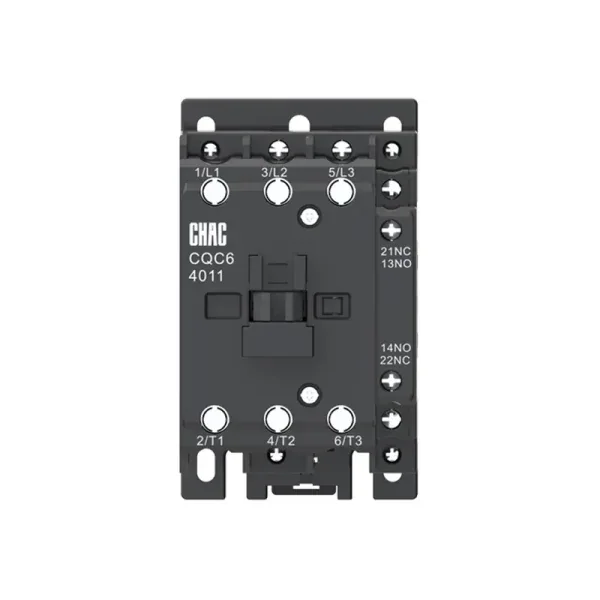
Application view: AC Contactor in a low-voltage installation.
An AC contactor replacement may be needed after welded contacts, coil failure, overheating, obsolete parts, or a design change. The replacement must preserve the intended isolation, control logic, clearances, and protection. Photographing the old device helps, but the schematic and nameplate are the controlling documents. When the brief is clear, AC contactor replacement cost can be compared using evidence instead of a generic marketing promise.
What Is the Difference Between Single and Double Pole?
A single-pole contactor opens one circuit conductor, while a double-pole model opens two simultaneously. In a grounded single-phase branch, the neutral may not be switched unless the design requires it; in a floating or service-isolation arrangement, simultaneous opening can be important. Use the code and equipment design to decide which conductors must be interrupted.
How Should the Replacement Be Identified?
Record the old model, coil voltage, main-contact rating, utilization category, terminal arrangement, auxiliary contacts, dimensions, and wiring. Confirm whether the load is a heater, motor, compressor, lighting bank, or transformer. A contactor rated 30 A resistive may have a lower motor or fluorescent-light rating. Match the actual duty, not the largest printed number.
When Is a Double-Pole Contactor Appropriate?
Double-pole switching is common for single-phase loads that need both conductors isolated, such as selected HVAC or appliance circuits. It can also support a transfer or interlock design. It is not a license to switch a protective earth, and it may create unwanted open-neutral behavior if the circuit was designed differently. Validate the complete isolation procedure.
What Are Common Failure Symptoms?
Chattering can indicate low coil voltage, a loose control terminal, or a weak supply. Burned contacts can indicate inrush, overload, short-circuit stress, or a contactor used outside its category. A coil that measures correctly when cold can fail when hot. Test voltage at the coil during pull-in and hold, measure phase or pole temperature, and inspect torque.
How Should Replacement Cost Be Compared?
The part price is only one line. Add diagnostic labor, emergency shipping, downtime, rewiring, accessory changes, and the risk of an incompatible spare. Standardizing a contactor family can reduce inventory, but only after coil, rating, dimensions, and safety functions are documented. Keep the old model and approved substitute in the maintenance record.
How Should a Buyer Select a Replacement Supplier?
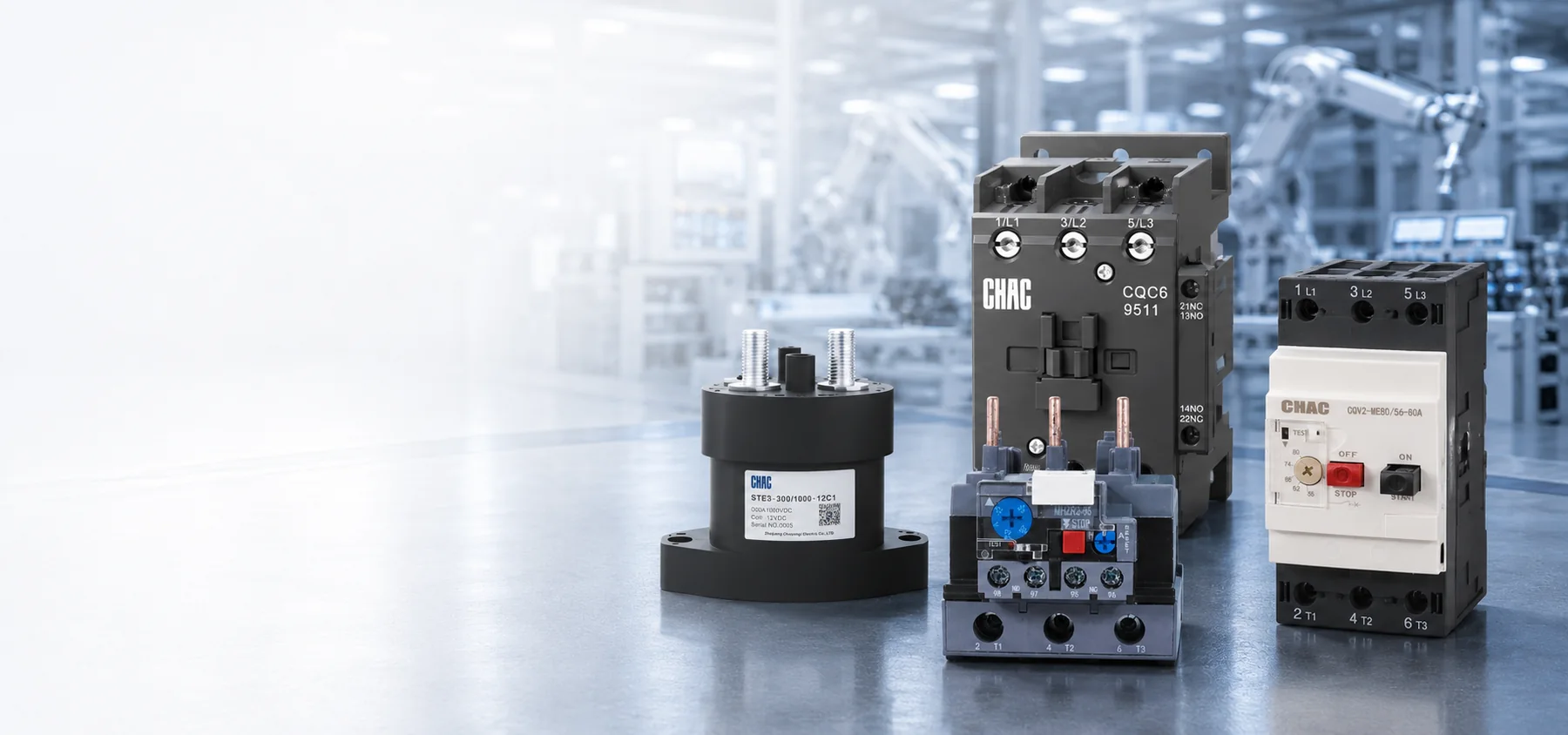
Request a cross-reference with limitations, datasheet, terminal drawing, certificates, endurance, coil suppression, and delivery. CHAC provides AC contactors, thermal overload relays, and industrial control appliances for coordinated replacement programs. The approved replacement should be tied to the schematic revision and a post-installation functional test.
Which Parameters Should Be Written Into the RFQ?
Decision area
What to specify
Why it matters
Poles
Single or double; conductors to isolate
Preserves circuit function
Duty
Resistive, AC-3 motor, lighting, transformer
Controls contact stress
Coil
Voltage, frequency, inrush, suppression
Ensures reliable operation
Fit
DIN width, terminals, auxiliaries, clearance
Avoids unsafe modifications
We recommend measuring the installed result as well as the catalog value. Photograph terminals, record torque and test readings, and keep the approved drawing with the delivery lot. That record makes AC contactor auditable when a replacement or expansion is needed.
How Should Buyers Select the Product and Supplier?
Define voltage, current, duty, environment, fault level, and the user or machine risk before asking for a quote.
Request the exact datasheet, wiring diagram, certificate, test evidence, accessories, and replacement policy.
Approve a sample or first-article inspection and verify the installation, not only the packaging.
Record serial, batch, settings, torque, and commissioning results in the maintenance or project file.
Compare landed cost, lead time, spares, service response, and change notification before release.
CHAC is a China-based OEM/ODM low-voltage electrical appliance manufacturer and global electrical system solutions provider. Its product lines include terminal electrical appliances, MCB, RCCB/RCBO, SPD, distribution equipment, contactors, thermal overload relays, and motor protection devices. Buyers can review the relevant CHAC product range and the related application guide before requesting a project-specific selection.
Can I use a double-pole contactor instead of a single-pole?
Only after confirming which conductors should be switched, neutral policy, load duty, wiring, and code. The replacement must preserve the intended isolation and control logic.
Do I need double pole or single pole?
Use the circuit schematic and local requirements. A qualified electrician should determine whether one or two conductors need simultaneous isolation.
What is the difference between a single-pole and double-pole contactor?
They switch one or two main conductors respectively; their current, duty, coil, and accessory ratings must still match.
How do I tell if an AC contactor is one or two pole?
Count the main power contact sets and compare the terminal diagram; do not rely only on the number of visible screw terminals.
What are common AC contactor failure symptoms?
Chatter, welded contacts, hot terminals, a burnt coil smell, failure to pull in, or repeated overload trips. Test the control voltage and load conditions before replacing the part.
References and Final Decision
Use these sources when checking a design, test plan, or procurement specification:
The difference is not just in the component on the rail—it is in the ratings, wiring, tests, and decisions that follow. When a buyer treats single pole contactor as a measurable requirement, the installation is easier to commission, maintain, and scale. CHAC can help convert the application, compliance, and delivery requirements into a repeatable low-voltage solution.