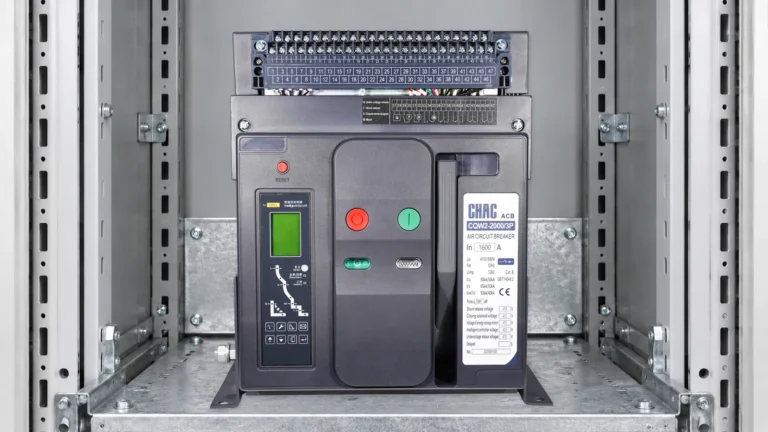
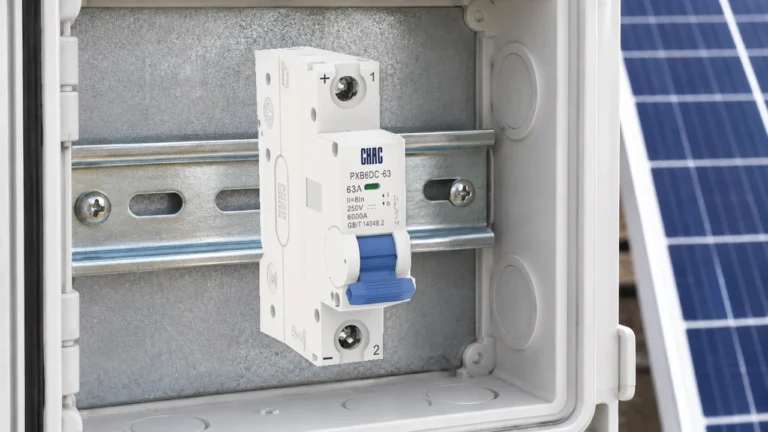
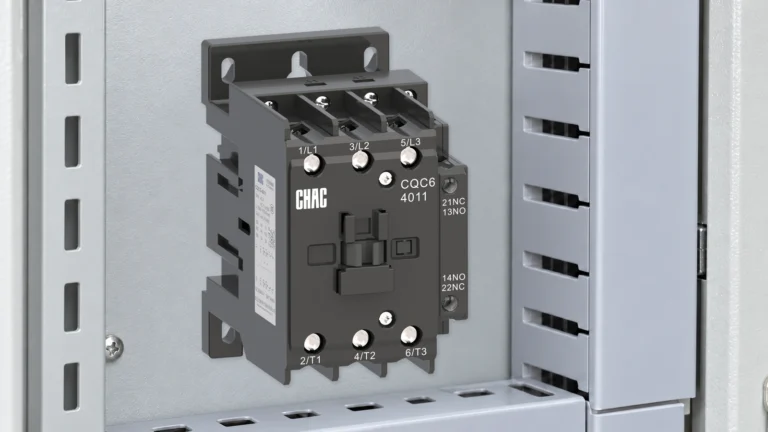
When a project role faced a selection problem, the visible failure often appeared before the real cause was understood. Grace, a data-centre buyer in Dublin, chose MCBs for every feeder to reduce panel cost. The main incomer needed adjustable protection and a higher interrupting capacity, so the team revisited the frame-size decision.
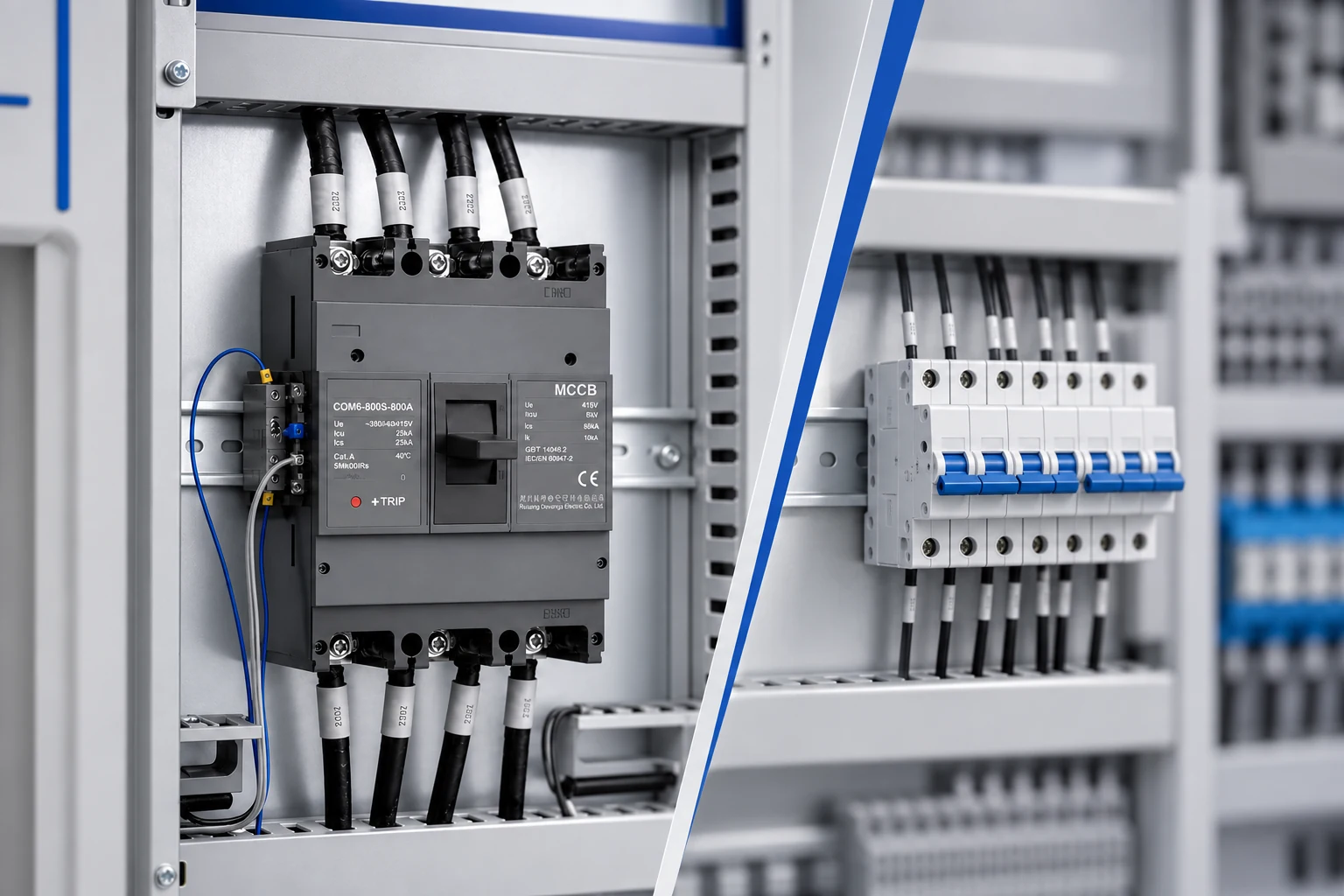
Summary: MCBs are compact fixed-setting devices for branch and smaller distribution circuits; MCCBs use a larger molded case and often offer higher current, breaking capacity and adjustable trip functions. The boundary is not simply amperage—fault duty, coordination, accessories, enclosure and maintenance all matter. This article keeps the decision evidence-led and separates product capability from installation responsibility.
Current and breaking capacity
The right answer starts with the application boundary. Define the source, load, conductors, fault level and operating environment before comparing catalogues. A device that looks suitable by ampere rating can still fail on arc duty, selectivity, temperature or installation method. Use the manufacturer time-current curve and the adopted wiring standard as the common language between design, procurement and commissioning.
Document assumptions and test them at the panel. For example, a protection study should state prospective short-circuit current, expected inrush, conductor ampacity and the required disconnection time. Named methods such as primary-injection testing, insulation-resistance testing or a coordination study are more useful than a generic statement that a product is “industrial grade.”
If the answer changes with the destination market, voltage system or utilization category, state that assumption in the specification and obtain written confirmation before release.
Main versus branch protection
The right answer starts with the application boundary. Define the source, load, conductors, fault level and operating environment before comparing catalogues. A device that looks suitable by ampere rating can still fail on arc duty, selectivity, temperature or installation method. Use the manufacturer time-current curve and the adopted wiring standard as the common language between design, procurement and commissioning.
Document assumptions and test them at the panel. For example, a protection study should state prospective short-circuit current, expected inrush, conductor ampacity and the required disconnection time. Named methods such as primary-injection testing, insulation-resistance testing or a coordination study are more useful than a generic statement that a product is “industrial grade.”
If the answer changes with the destination market, voltage system or utilization category, state that assumption in the specification and obtain written confirmation before release.
Frame size, accessories and TCO
The right answer starts with the application boundary. Define the source, load, conductors, fault level and operating environment before comparing catalogues. A device that looks suitable by ampere rating can still fail on arc duty, selectivity, temperature or installation method. Use the manufacturer time-current curve and the adopted wiring standard as the common language between design, procurement and commissioning.
Document assumptions and test them at the panel. For example, a protection study should state prospective short-circuit current, expected inrush, conductor ampacity and the required disconnection time. Named methods such as primary-injection testing, insulation-resistance testing or a coordination study are more useful than a generic statement that a product is “industrial grade.”
If the answer changes with the destination market, voltage system or utilization category, state that assumption in the specification and obtain written confirmation before release.
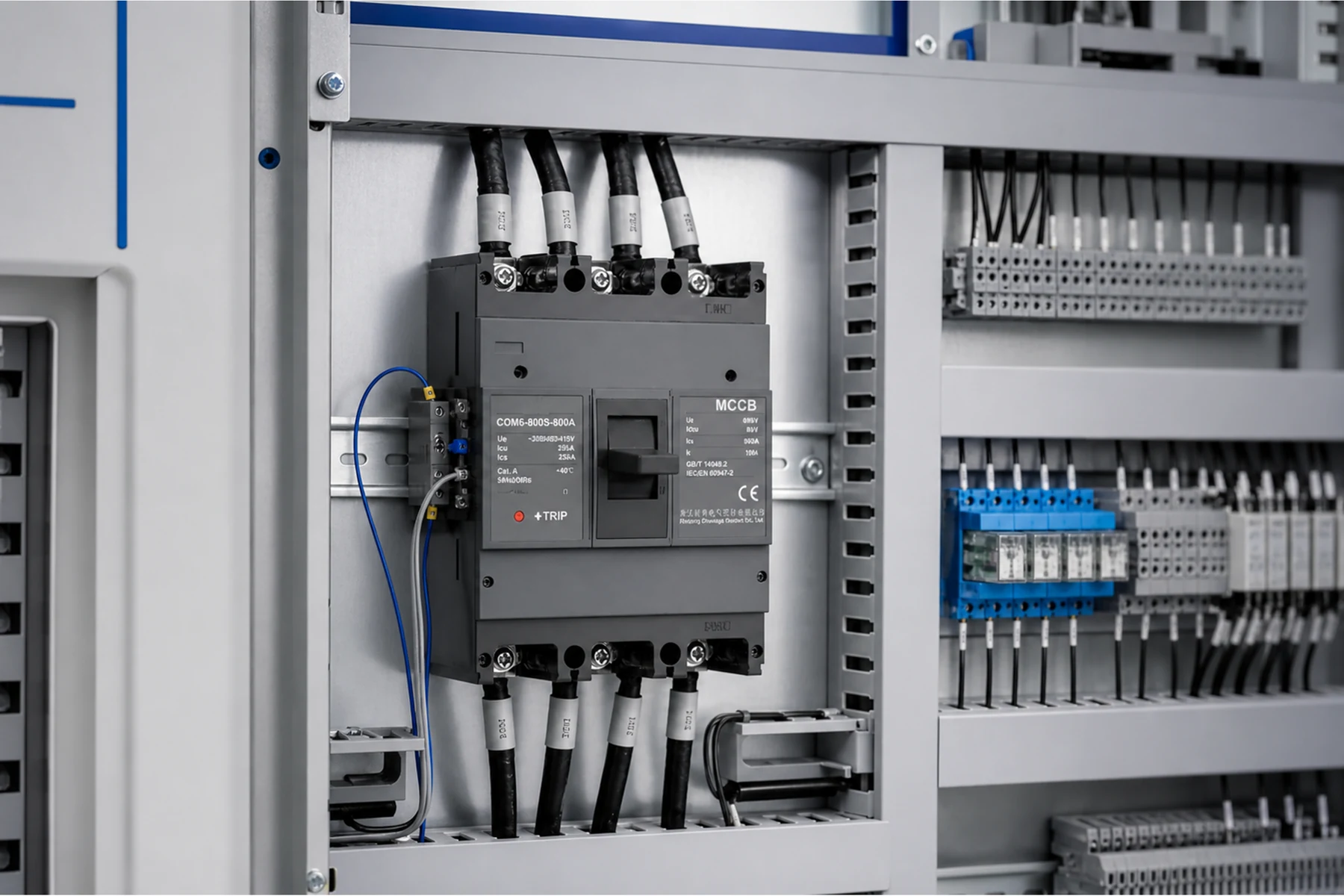
Comparison for a defensible specification
| Dimension | Option A | Option B |
|---|---|---|
| Frame | Compact DIN-rail format | Larger molded-case platform |
| Protection | Usually fixed thermal-magnetic settings | May include adjustable or electronic trip |
| Application | Branch and final circuits | Feeders, incomers and high-fault duties |
Selection and procurement actions
- Freeze the electrical assumptions: system voltage, poles, load current, conductor method, fault current and ambient limits.
- Request model-specific data: standard edition, trip curve, breaking capacity, terminal limits, dimensions and test evidence.
- Review coordination with upstream and downstream devices; do not infer selectivity from brand or frame size.
- Approve a sample or first article, record torque and inspection points, and define who performs commissioning tests.
- Plan spares and change control so a later substitution cannot silently alter safety performance.
For buyers comparing configurable protection families, CHAC Electric provides public information on MCCB products and MCB products. Treat these pages as a starting point and confirm the exact model data for your project.
Use fault level and adjustment range to choose the frame
A molded case circuit breaker is considered when the installation needs a larger frame, higher fault duty or more adjustment than a miniature circuit breaker typically provides. The decisive third criterion is selective coordination: compare time-current curves and upstream/downstream settings instead of assuming that a larger frame will coordinate automatically.
Also check enclosure space, terminal capacity, maintenance access and whether the project needs adjustable long-time or instantaneous settings. Those are application boundaries, not marketing labels.
Related reading: Motor Circuit Protector vs Circuit Breaker shows how the protection function affects the frame decision.
Frequently asked questions
When should I choose an MCCB over an MCB?
Choose an MCCB when current, fault level, selectivity, adjustable settings or accessories exceed the practical range of an MCB. Verify the complete coordination and enclosure design.
Is an MCCB always safer?
Safety depends on correct ratings, settings, installation and testing. A larger frame does not compensate for an incorrect trip setting or inadequate conductor protection.
Can an MCB protect a main feeder?
It can when its current and interrupting ratings, pole arrangement and coordination meet the design. Many larger feeders benefit from MCCB features, but the calculation decides.
Do MCCBs cost more to maintain?
Maintenance depends on access, testing intervals, accessories and environment. Compare total cost of ownership, not only purchase price.
Authoritative references
- IEC 60947-2 (consult the current edition and national adoption).
- IEC 60898-1 (consult the current edition and national adoption).
- NFPA 70B (consult the current edition and national adoption).
The durable principle is simple: specify the circuit and the evidence together, then test the assembled result. For a model review, application question or documented quotation, contact CHAC Electric and share the duty, voltage and destination-market requirements.
For a related selection reference, see Molded case circuit breaker vs.
Continue with this related guide: Voltage Protector Keeps Tripping How.