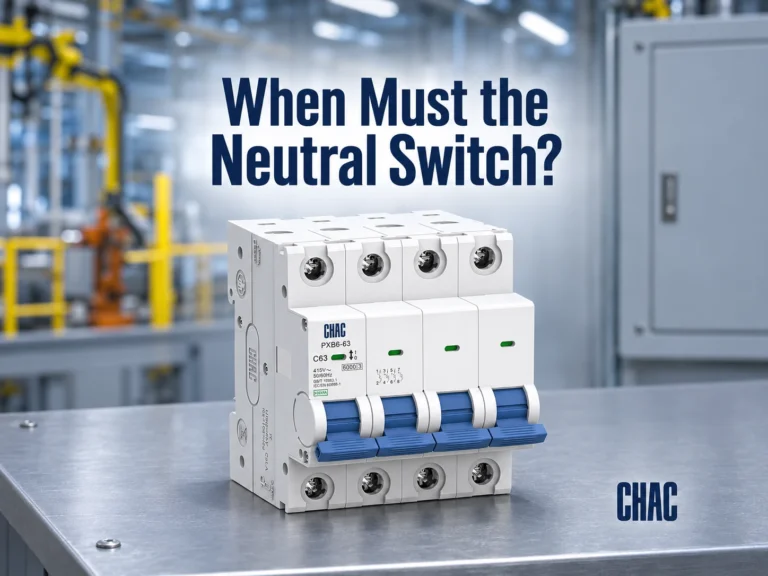
A breaker shelf can hold plenty of stock and still miss an order: the available current rating may have the wrong pole count, trip characteristic or breaking capacity. For distributors, the practical starting point is an order-line history that preserves these distinctions rather than grouping every breaker with the same amperage together.
Inventory planning should prioritize complete, technically defined SKUs with repeat demand, then assign separate replenishment policies to intermittent variants and committed projects. Stocking decisions support purchasing availability; they do not establish electrical suitability for a customer’s application. In practice, inventory management for distributors starts with the orderable combination of poles, current and trip curve, not with an ampere rating alone.
Which breaker ratings belong in the core stocked range?
Build the core range from recurring customer purchases, not a universal list of popular current ratings. Compare current and poles together with protection characteristics, operating voltage, breaking capacity and required documentation. The CHAC MCB range overview identifies current, poles, trip curve and breaking capacity as comparison fields; availability must still be confirmed by series and variant.
| SKU distinction | Inventory consequence | Buyer check |
|---|---|---|
| Current rating and pole count | Separate demand lines rather than one amperage total | Which combinations recur in customer orders? |
| Trip characteristic | Same-current variants may serve different requirements | Keep the ordered characteristic identifiable |
| Breaking capacity and voltage | Similar labels do not establish equivalent duty | Compare capacity at the required operating voltage |
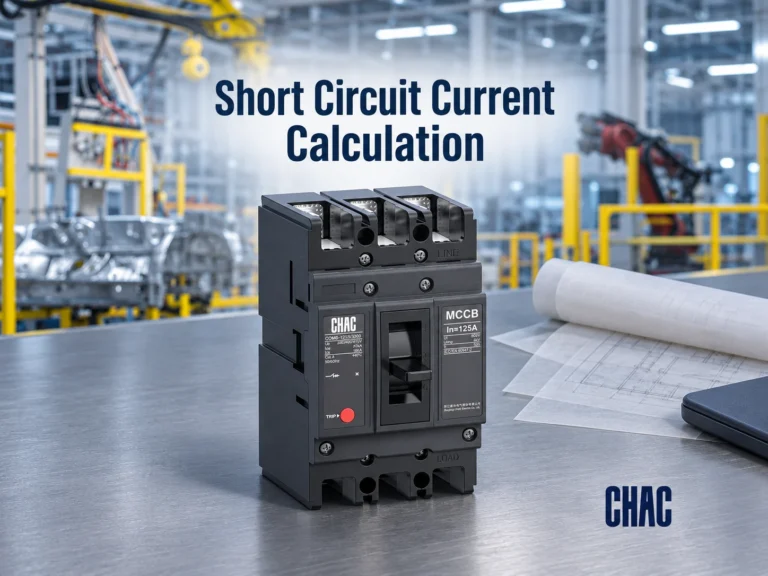
| MCCB frame and trip configuration | A frame family is not a complete stocked specification | Record the fitted trip unit and configuration |
The CHAC MCCB buying guide distinguishes frame rating, fitted trip unit and overload setting. It references IEC 60947-2 for electrical-duty considerations; that standard designation alone does not demonstrate a particular unit’s certification or destination-market acceptance. Do not treat matching frame names as evidence of interchangeability.

How can demand history separate shelf stock from project stock?
For electrical distributor inventory management, retain order date, requested date, SKU, quantity, shipment date, customer segment and project identifier. Capture unfilled requests and stockout periods too: shipments alone can understate demand when customers could not obtain the required variant.
Assess movement through order frequency, repeat customers, quantities and gaps between orders. A large project shipment can make a rarely requested breaker look fast-moving. Conversely, frequent small orders can justify dependable shelf availability even when total volume is modest.
Classify each SKU as recurring stock, intermittent demand or project-controlled supply. Keep project reservations visible and outside unrestricted availability. For example, a committed panel order should consume its allocated supply without automatically raising the forecast for routine counter sales. Feed expected repeat releases into the recurring forecast only when the buying pattern supports that treatment.
Review profitability and supply risk alongside movement. A slow item may support an important service obligation; a fast item may still need purchasing restraint if demand is temporary. Neither sales rank nor margin alone should determine stocking status.
What inputs should set reorder points and safety stock?
A useful inventory-position identity is usable on-hand stock plus confirmed inbound supply, minus allocations and backorders, with commitments counted only once. A reorder point can then be expressed as expected demand during replenishment lead time plus safety stock. Use consistent time units and distinguish the replenishment trigger from the order quantity.
| Decision input | Planning use | Required check |
|---|---|---|
| Recurring demand and variability | Estimate lead-time consumption | Exclude one-off project distortion |
| Observed receipt lead times | Measure replenishment exposure | Include transport and receiving delays |
| Service target and shortage impact | Choose buffer protection | Document customer commitments |
| Usable stock and confirmed inbound | Calculate inventory position | Exclude quarantined or reserved units |
| Pack sizes and purchasing constraints | Set feasible order quantities | Confirm terms for the actual quotation |
Recalculate when lead time, variability or demand changes materially. With intermittent demand, inspect actual order patterns rather than assuming a smooth daily average. Ask CHAC about the proposed supply program using an exact variant list and delivery requirements; consultation is not confirmation of availability or compatibility.

Frequently asked questions
Which sales and lead-time data are needed to plan circuit breaker inventory?
Keep dated order lines, exact variants, quantities, requested and actual shipment dates, cancellations, backorders and unfilled inquiries. Link purchase orders to usable receipt dates so inventory forecasting reflects observed replenishment time rather than quotation estimates alone.
How should a distributor decide which current ratings and pole counts to stock?
Rank complete current-and-pole combinations by repeat demand, then retain their voltage, trip and breaking-capacity distinctions. Confirm the offered variant's documentation; shared amperage does not make two breakers substitutes.
How can fast-moving breaker SKUs be separated from slow-moving variants?
Compare order frequency, units sold, distinct repeat customers and time between orders. Flag project spikes separately. Review periods without stock so an unavailable but regularly requested variant is not incorrectly classified as slow-moving.
What should determine the reorder point for an electrical distributor?
Use expected recurring demand over actual replenishment lead time plus a buffer reflecting variability and the chosen service target. Compare that threshold with inventory position, not shelf quantity alone, and account for confirmed supply and existing commitments.
How should project orders be separated from recurring breaker demand?
Tag them to a project, reserve their quantities and maintain a delivery schedule. Keep one-off volumes outside the baseline forecast, while separately tracking documented repeat releases and any uncommitted remainder after project completion.
When should safety stock be reviewed after a supplier lead-time change?
Review it when the change becomes known, before the next purchasing decision. Check open-order exposure immediately, then reassess using subsequent receipt performance; a changed average and increased variability can require different buffer adjustments.
How can excess and obsolete breaker stock be reduced without creating shortages?
Identify aging variants, stop automatic replenishment where justified and check remaining customer commitments before reducing stock. Consider agreed returns or controlled sell-through. Never clear excess by assuming technical interchangeability; preserve buffers for genuinely recurring demand.
Effective inventory planning keeps recurring demand, project commitments and technical identity visible together. Use the CHAC product categories to organize purchasing discussions, then confirm exact variants, documentation and supply terms before converting a stocking plan into orders.